
What Are the Highest Paying Forensic Jobs? A Simple Guide for Beginners
Forensic science is not just what you see on TV shows like CSI—it is a high-stakes, data-driven field that plays a critical role in solving crimes and delivering justice. It combines science, investigation, and law to uncover the truth behind complex cases.
While the average salary for most occupations is around $48,000, many forensic careers can offer significantly higher earnings, with some specialized roles reaching six-figure incomes.
If you enjoy analyzing evidence, working with data, or solving real-world problems, forensic science can be both a rewarding and financially stable career path.
But many beginners often ask: Which forensic jobs pay the most? In this guide, you will learn about the highest paying forensic careers, what they involve, and the key skills needed to get started.
What Is Forensic Science?
Forensic science is the application of scientific methods to investigate crimes and legal issues. Professionals in this field collect, analyze, and interpret evidence that can be used in court.
Some common types of evidence include:
- DNA samples
- Fingerprints
- Digital data (emails, files, etc.)
- Chemical substances
- Bloodstains and other biological materials
Forensic experts often work closely with law enforcement agencies, lawyers, and courts.
Why Choose a Career in Forensics?
Before exploring the highest paying roles, it’s important to understand why this field is a strong career choice for beginners.
Key Benefits:
- High demand: Forensic professionals are needed in both public and private sectors
- Meaningful work: You contribute to solving crimes and supporting justice
- Good salary potential: Specialized roles can offer high earning opportunities
- Diverse career paths: Options range from lab-based research to field investigations
Market Outlook
The demand for forensic professionals continues to grow as technology advances and crime investigations become more complex. According to the U.S. Bureau of Labor Statistics, forensic science technician roles are projected to grow by 14% by 2032, which is much faster than the average for most occupations.
This growth is largely driven by the rapid expansion of digital evidence, such as data from computers and smartphones, as well as the ongoing backlog of DNA testing in the justice system. As a result, there is an increasing need for skilled forensic experts who can analyze evidence accurately and efficiently.
Top Highest Paying Forensic Jobs

Let’s explore some of the most well-paid careers in forensic science, along with their salary potential, education requirements, and what it really takes to enter the field.
1. Forensic Pathologist
A forensic pathologist is a medical doctor who determines the cause of death by performing autopsies.
- Salary Range: $200,000 – $350,000+
- Education: Doctoral (MD/DO)
- Time to Entry: 11–15 years
What They Do:

- Examine bodies to determine cause and manner of death
- Conduct autopsies
- Collect medical evidence
- Testify in court
Why It Pays Well:
- Requires extensive medical training
- High level of responsibility and expertise
Daily Reality:
- Work in clinical morgue environments
- Handle sensitive cases involving death
2. Forensic Psychiatrist
Forensic psychiatrists work at the intersection of mental health and law.
- Salary Range: $180,000 – $300,000+
- Education: Medical Degree + Psychiatry Specialization
- Time to Entry: 10–14 years
What They Do:
- Evaluate the mental state of suspects
- Determine if individuals are fit to stand trial
- Provide expert testimony in court
Why It Pays Well:
- Combines legal and medical expertise
- High demand in criminal and civil cases
Daily Reality:
- Handle complex mental health cases
- Work under legal and ethical pressure
3. Digital Forensic Expert
Digital forensic experts investigate cybercrimes and recover digital evidence.

- Salary Range: $80,000 – $160,000+ (higher in private sector)
- Education: Bachelor’s in Cybersecurity/IT
- Time to Entry: 3–6 years
What They Do:
- Recover deleted files and digital data
- Investigate cybercrimes
- Analyze computers, smartphones, and networks
Certifications to Consider:
- EnCE (EnCase Certified Examiner)
- GCFE (GIAC Certified Forensic Examiner)
Why It Pays Well:
- Growing demand due to cybercrime
- Valuable in both government and private sectors
Daily Reality:
- Long hours analyzing data
- Constant need to stay updated with new technologies
4. Forensic Engineer
Forensic engineers investigate structural failures and accidents.
- Salary Range: $90,000 – $150,000+
- Education: Bachelor’s/Master’s in Engineering
- Time to Entry: 4–8 years
What They Do:
- Analyze building collapses and product failures
- Determine causes of accidents
- Prepare reports for legal cases
Why It Pays Well:
- Requires strong technical expertise
- Often involved in high-value legal cases
Daily Reality:
- Mix of field investigations and technical analysis
5. Forensic Accountant
Forensic accountants specialize in financial investigations.
- Salary Range: $70,000 – $140,000+
- Education: Bachelor’s in Accounting/Finance (CPA preferred)
- Time to Entry: 3–6 years
What They Do:

- Investigate financial records
- Detect fraud and embezzlement
- Prepare legal reports
Why It Pays Well:
- High demand in corporate and legal sectors
- Combines finance with investigative skills
Daily Reality:
- Analyze complex financial data
- Work with legal documentation
6. Crime Scene Investigator (CSI)
Crime scene investigators collect and document evidence from crime scenes.
- Salary Range: $50,000 – $90,000+
- Education: Bachelor’s in Forensic Science or Criminal Justice
- Time to Entry: 2–4 years
What They Do:
- Photograph and document crime scenes
- Collect physical evidence
- Coordinate with forensic labs
Why It Pays Well:
- Experience and specialization increase earning potential
Daily Reality:
- Irregular working hours
- Exposure to challenging environments
7. Forensic Toxicologist
Forensic toxicologists analyze chemicals in the human body.
- Salary Range: $70,000 – $120,000+
- Education: Bachelor’s/Master’s in Chemistry or Toxicology
- Time to Entry: 4–6 years
What They Do:
- Test for drugs, alcohol, and poisons
- Analyze biological samples
- Assist in determining cause of death
Why It Pays Well:
- Requires specialized scientific knowledge
- Plays a critical role in investigations
Daily Reality:
- Lab-based work
- Requires precision and attention to detail
Skills Needed for High-Paying Forensic Jobs
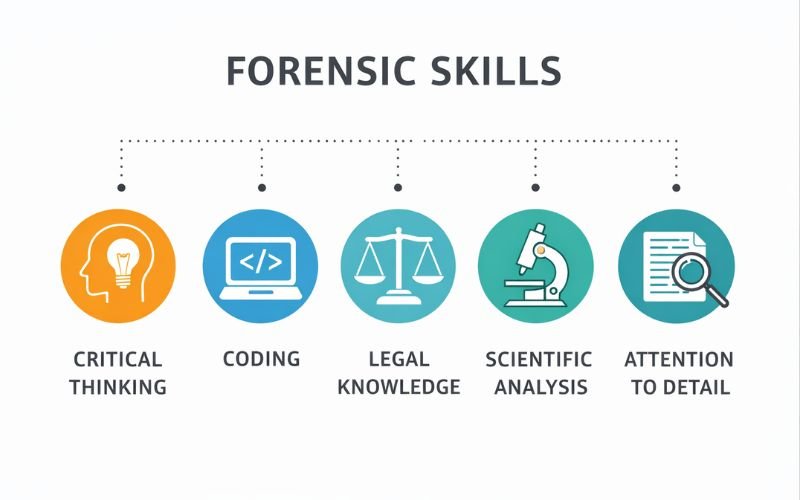
To succeed in high-paying forensic careers, you need a mix of technical expertise and strong professional (soft) skills. Each role requires different strengths, but certain core skills are essential across the field.
Key Skills and Their Career Relevance
| Skill | Top Career Match | Why It Matters |
| Advanced Math | Forensic Accountant | Helps in tracking complex financial fraud and hidden transactions |
| Coding / Scripting | Digital Forensics Expert | Essential for recovering data and handling encrypted systems |
| Public Speaking | Forensic Psychiatrist | Important for delivering clear and confident court testimony |
| Scientific Analysis | Forensic Pathologist | Used to examine evidence and determine cause of death |
| Attention to Detail | Crime Scene Investigator | Critical for identifying small but important evidence |
| Legal Knowledge | All Forensic Roles | Ensures proper handling of evidence and understanding of court procedures |
| Unwavering Ethics / Integrity | All Roles | Your credibility is your greatest asset in court; trust and accuracy are essential |
Why This Matters
Each high-paying forensic job requires a unique combination of skills. By focusing on the right skill set early, beginners can better prepare themselves for specialized and higher-paying roles in the field.
Education Requirements (The Roadmap)

Most high-paying forensic careers follow a clear learning path. Think of it as a step-by-step roadmap that takes you from basic knowledge to expert-level roles with higher earning potential.
1. The Foundation (Bachelor’s Degree)
This is where you build your core understanding of forensic science and related fields.
- Focus on strong subjects like biology, chemistry, forensic science, or criminology
- Qualifies you for entry-level roles
- Develops essential skills in analysis, lab work, and investigation
2. The Specialization (Certifications)
This stage helps you stand out and gain expertise in a specific area.
- Certifications are valuable in fields like digital forensics, toxicology, or forensic accounting
- Demonstrates practical, job-ready skills
- Improves credibility and increases job opportunities
3. The Peak (Master’s or Doctorate Degree)
This is essential for reaching top-tier roles and higher salary brackets.
- A master’s degree allows deeper specialization
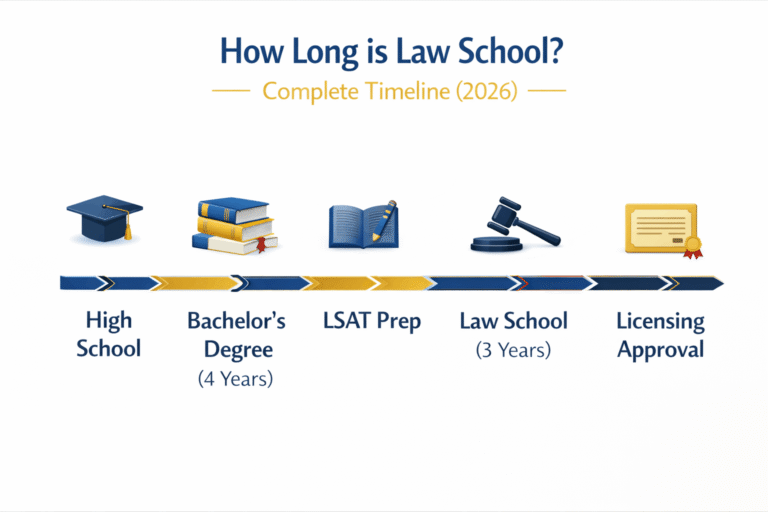
- A doctoral or medical degree is required for roles like forensic pathologist or psychiatrist
- Opens doors to leadership positions, expert testimony, and salaries that can exceed $150,000
Tips for Beginners
If you are just starting out, here are some practical and actionable steps you can take:
- Choose a specialization early: Decide whether you prefer lab work, fieldwork, or digital analysis so you can focus your studies and skill development.
- Join professional organizations: Become a student member of groups like the American Academy of Forensic Sciences to access job boards, industry updates, and networking opportunities.
- Seek real-world experience: Apply for “Student Volunteer” positions at local Medical Examiner offices or explore programs like the FBI’s Honors Internship Program to gain hands-on exposure.
- Stay updated with industry trends: Follow trusted journals such as the Journal of Forensic Sciences and take online courses to learn about advancements like modern DNA sequencing technologies.
- Build strong fundamentals: Focus on core subjects like biology, chemistry, law, and analytical thinking to strengthen your foundation.
Conclusion
Forensic science offers a wide range of career opportunities, especially for those interested in combining science with law. While some roles require years of education and training, they also provide strong earning potential and meaningful work.
The highest paying forensic jobs—such as forensic pathologists, digital forensic experts, and forensic accountants—require specialized skills but reward professionals with financial stability and long-term career growth.
If you are passionate about solving problems, analyzing evidence, and contributing to justice, this field can be a strong and fulfilling career choice.
Quick Takeaway (Final Verdict)
- If you want the highest pay, choose the medical path (Forensic Pathology).
- If you want fast growth and strong demand, choose the digital path (Cyber Forensics).
FAQs
1. What is the highest paying forensic job?
Forensic pathologists and forensic psychiatrists are generally among the highest-paid roles due to their advanced medical training and responsibilities.
2. Do forensic jobs require a lot of education?
Yes, most high-paying forensic careers require at least a bachelor’s degree, and many roles require advanced or specialized education.
3. Is digital forensics a good career?
Yes, digital forensics is a fast-growing field with strong demand and high salary potential due to the rise in cybercrime.
4. Can I work in forensics without a science background?
It is possible in areas like forensic accounting or digital forensics, but most roles still require some level of technical or analytical knowledge.
5. Are forensic jobs stressful?
Some roles can be demanding due to the nature of investigations, but they are also highly rewarding and impactful.
6. What is the “CSI Effect” in forensic science?
The “CSI Effect” refers to how TV shows portray forensic work as faster and more dramatic than it actually is. In reality, investigations require time, precision, and detailed analysis.