What Is the Cash App Unsolicited Text Message Settlement? A Simple Guide
If you received unexpected text messages from Cash App, you may be eligible for compensation through the Cash App unsolicited text message settlement. This settlement comes from a legal case where users claimed they received messages without proper consent. While details like the total settlement amount and payout per person may vary or be finalized later, this guide will help you understand whether you could qualify and what steps to take.
In simple terms, this case is about protecting users from unwanted communication and ensuring companies follow proper rules before sending text messages. Below, you’ll find a clear breakdown of how the settlement works, who may be eligible, and how to file a claim if applicable.
What Is the Cash App Unsolicited Text Message Settlement & Why Did It Happen?
The Cash App unsolicited text message settlement comes from a legal case where users claimed they received text messages from Cash App without giving proper consent.
In today’s digital world, companies must follow strict rules before sending promotional or automated messages to users. These rules are mainly governed by the Telephone Consumer Protection Act (TCPA)—a U.S. law designed to protect people from unwanted calls and text messages.
Why did this issue lead to a lawsuit?
The case was based on a few key concerns:
- Lack of clear consent
Some users said they never agreed to receive text messages from Cash App. - Violation of TCPA rules
Under the TCPA, businesses must get permission before sending automated or marketing texts. - Use of personal data
Users were concerned that their phone numbers were used without proper authorization.
Simple example:
Imagine you sign up for a payment app just to send money. Later, you start receiving text messages—even though you never agreed to them. Under laws like the TCPA, this situation can raise legal concerns.
How the settlement came about
Instead of continuing a long court battle, both sides agreed to resolve the issue through a settlement. This means:
- The case was settled outside of trial
- The company does not necessarily admit wrongdoing
- Affected users may be eligible for compensation
By combining legal protection under the TCPA with user complaints, the case gained enough grounds to move forward and eventually reach a settlement.
Why Did This Settlement Happen?
This settlement is connected to laws that regulate communication, especially automated messages.
Key reasons behind the case:
- Unsolicited Messages
Users reported receiving texts without giving clear permission. - Privacy Concerns
People felt their personal phone numbers were used improperly. - Consumer Protection Laws
Laws exist to prevent spam messages and protect users from unwanted contact.
Example:
Imagine signing up for a payment app just to send money to a friend. Later, you start receiving promotional or alert messages that you never agreed to. This could raise legal concerns if proper consent was not taken.
What Does “Unsolicited Text Message” Mean?
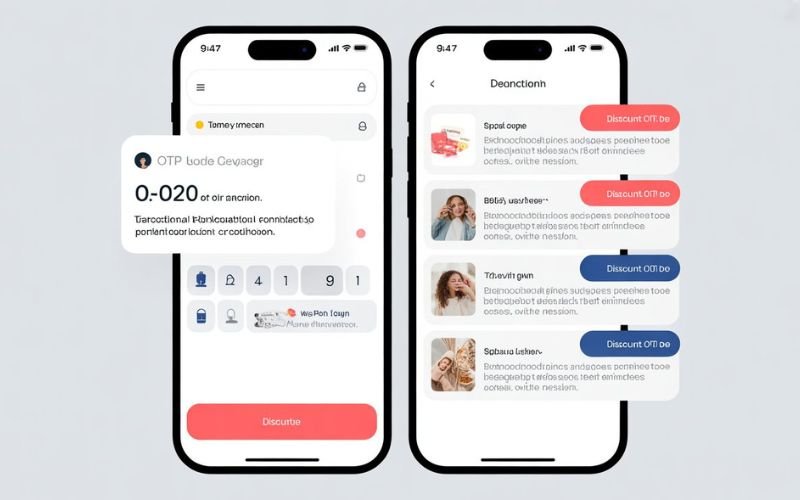
An unsolicited text message is any message you receive without your clear permission.
It’s important to understand the difference between allowed (transactional) and unwanted (promotional) messages:
Transactional Messages (Usually Allowed)
These are messages related to a service you actively use, such as:
- Login or verification codes
- Payment confirmations
- Security alerts
Promotional Messages (May Be Unsolicited)
These are marketing or non-essential messages sent without consent, such as:
- Offers or discounts
- New feature promotions
- Advertising messages
Simple Example:
- You use an app and receive a one-time login code → This is normal and allowed
- Later, you start getting marketing texts without signing up → This may be unsolicited
Understanding this difference helps you identify when a message crosses the line from useful to potentially unlawful.
Who Is Eligible for the Settlement?
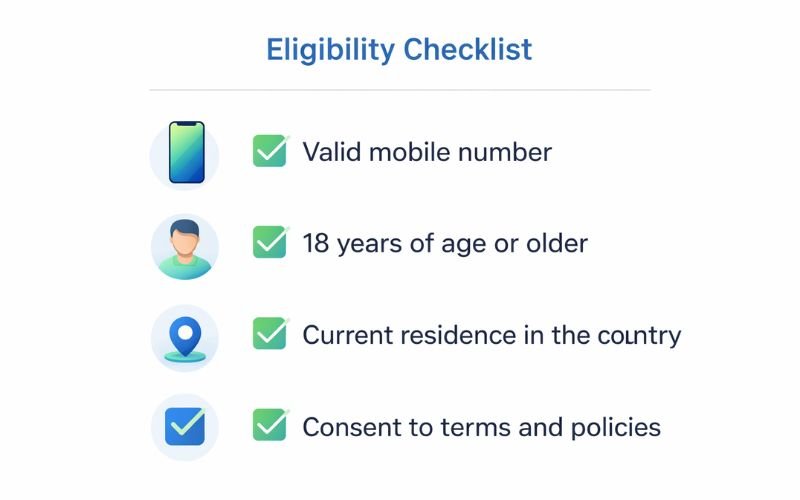
Eligibility depends on the specific terms defined in each settlement. For the Cash App unsolicited text message issue, there are actually two different legal cases that users should be aware of.
1. Salinas v. Block Settlement (General Users)
This settlement mainly focuses on users affected by account-related issues and communication practices.
You may qualify if:
- You were a Cash App user between August 23, 2018, and August 20, 2024
- You experienced issues such as unauthorized account access or fraudulent transactions
- Your issue was not properly resolved by the platform
- You meet all required claim submission conditions
2. Washington State Text Message Settlement (Unsolicited Texts)
This is a separate case specifically related to unsolicited text messages.
You may qualify if:
- You are a Washington State resident
- You received unsolicited or unwanted text messages from Cash App
- The messages were sent without proper consent
Important update:
- Payments for this settlement began on February 2, 2026
- Eligible individuals are receiving approximately $394.36 per person
This confirmed payout adds credibility and shows how text message–related claims are being handled in practice.
Important Note
Not all Cash App users are eligible for these settlements. Qualification depends on:
- The type of issue (account-related vs. text messages)
- Your location
- Whether you meet the specific legal criteria
Each settlement has its own rules, so it’s important to review the details carefully before applying.
What Can Eligible Users Receive?
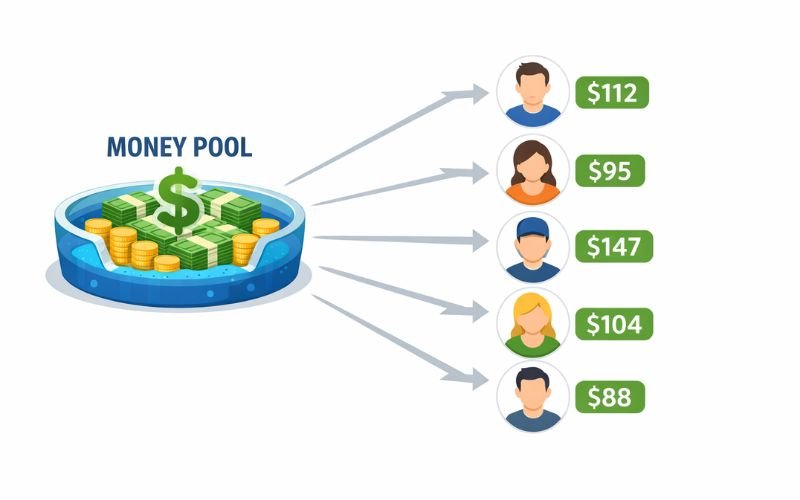
In many cases, settlements include compensation for affected users. The exact amount can vary based on several factors, such as:
- The number of people who file claims
- The total settlement fund
- Legal fees and administrative costs
Updated Compensation Details
- Documented losses:
Eligible users who can provide proof of out-of-pocket losses may receive up to $2,500. - No documentation (pro-rata payments):
Users without specific proof may still receive a share of the settlement, with estimated payouts ranging between $88 and $147.
Example
If a large number of people submit valid claims, the total settlement fund is divided among them. This means individual payments—especially pro-rata amounts—may vary depending on how many users participate.
How Does the Settlement Process Work?
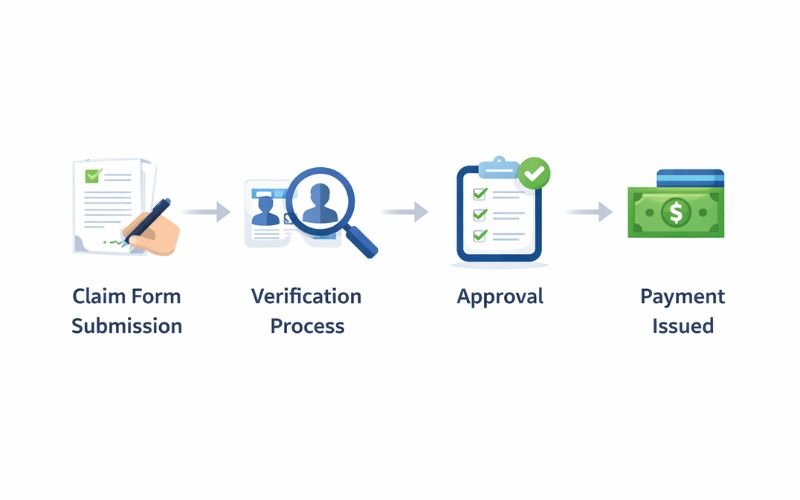
Understanding the process helps you know what to expect. Many settlements follow a similar structure as a class action settlement process, where claims are reviewed, approved, and payments are distributed to eligible users.
Simple Overview:
- The settlement is announced publicly
- Eligible users are allowed to submit claims
- Claims are reviewed for accuracy
- The court gives final approval
- Payments are sent to approved users
How to File a Claim
If you believed you were eligible, you needed to follow a specific process to submit your claim correctly. While the filing period has now ended, understanding the process can still be helpful for future reference.
Steps That Were Required:
- Visit the official settlement website (verified administrator site)
- Complete the claim form with accurate details
- Provide required information such as your phone number or supporting proof (if needed)
- Submit the claim before the deadline
Important: Always use the official settlement website when dealing with legal claims. Avoid third-party or unofficial sites to protect your personal information.
Tips for a Successful Claim:
- Double-check all entered details before submitting
- Save or screenshot your confirmation page
- Keep an eye on your email for updates or approval status
2026 Status Update: Claim Filing Is Closed
The deadline to file a claim for this settlement was November 18, 2024. New claims are no longer being accepted.
If You Already Filed a Claim:
You can still track your payment status by following these steps:
- Log in to the official settlement portal
- Use your Claimant ID or confirmation details
- Check the current status of your claim
Payment Timeline (2026):
- Digital payments (Zelle / PayPal): Being completed during April 2026
- Paper checks: Expected to arrive by late spring 2026
If you have already submitted your claim, it’s important to regularly check your status and ensure your payment details are correct.
What If You Missed the Deadline?
If you missed the 2024 filing deadline, you might still receive money automatically.
A separate $120 million redress fund from the Consumer Financial Protection Bureau (CFPB) is being used to compensate certain affected users. This program is different from the original settlement.
Key points to understand:
- Payments are being issued automatically in 2026
- You do not need to file a claim for this fund
- Eligible users may receive credits directly in their Cash App account
- The amount and eligibility depend on past account activity and specific criteria
In many cases, if you qualify, the credit will simply appear in your Cash App activity tab without any action required from your side.
Settlement Deadlines and Payment Progress
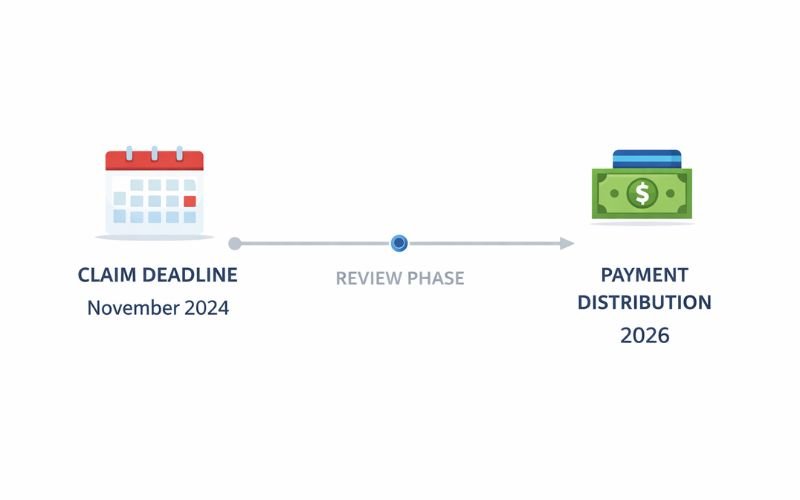
Deadlines for this settlement have already passed, so new claims are no longer being accepted. The case has now moved into the payment stage.
Key Updates:
- Claim Deadline: November 18, 2024 (Closed)
- Current Status: Distribution Phase
What This Means for You:
- Payments from the $15 million settlement fund are being issued in batches
- Distribution is expected to continue through the first half of 2026
- If you submitted a valid claim, you may already be in the payout queue
What You Should Do Next:
- Check your email regularly for updates from the settlement administrator
- Look for payment notifications or requests for additional verification
- Monitor your selected payment method (bank, PayPal, etc.)
Note: If you did not file a claim before the deadline, you are no longer eligible to receive compensation in this settlement.
Why This Settlement Matters
This case is not just about one company—it highlights a larger issue in today’s digital world: how businesses communicate with users and respect their privacy.
Key takeaways:
- Consumer rights are important
You have the right to control how and when companies contact you. - Companies must follow rules
Businesses are required to get clear permission before sending text messages. - Awareness helps protection
Understanding your rights makes it easier to avoid unwanted or spam messages.
What You Should Do Next
If you believe you received unsolicited text messages related to this case, it’s important to take action.
- Check if your messages fall within the eligible time period
- Visit the official settlement website
- Submit your claim before the deadline
Don’t wait—missing the deadline could mean losing your chance to receive compensation.
How to Avoid Unwanted Text Messages in the Future
Even outside this settlement, you can take steps to protect yourself.
Practical tips:
- Read permissions carefully
Always check what you’re agreeing to when signing up for apps. - Avoid sharing your number unnecessarily
Only provide it when required. - Use opt-out options
Many messages include a way to stop future texts. - Report spam messages
This helps prevent misuse.
Common Misunderstandings About Settlements
Many people are confused about how settlements work.
Let’s clear a few myths:
- Myth: Everyone gets a large payment
→ Reality: Payments are usually small and depend on many factors - Myth: The company is always guilty
→ Reality: Settlements often happen without admitting fault - Myth: Filing a claim is automatic
→ Reality: You must submit a claim to receive benefits
Conclusion
The Cash App unsolicited text message settlement is an example of how consumer protection laws work in the digital age. It highlights the importance of privacy, consent, and responsible communication by companies.
If you believe you received unwanted messages, it’s worth checking whether you qualify for the settlement. More importantly, this case serves as a reminder to stay informed and take control of your personal information.
Understanding these topics doesn’t require legal expertise—just a little awareness can go a long way in protecting your rights.
FAQs
1. What is the Cash App unsolicited text message settlement about?
It is a legal resolution involving claims that some users received unwanted or unauthorized text messages without proper consent.
2. Who can file a claim?
The claim window for the nationwide settlement has now closed. However, some users may still receive automatic compensation through ongoing regulatory actions, such as redress programs managed by the Consumer Financial Protection Bureau (CFPB).
3. How much money can I receive?
For users who submitted valid claims, the estimated payout is currently between $88 and $147. The final amount may vary slightly depending on the total number of approved claims.
4. Do I need proof to file a claim?
In most cases, users were required to provide basic details such as their phone number. Additional information may have been requested during the verification process.
5. What happens if I miss the deadline?
The deadline for the $15 million settlement has already passed, so new claims are no longer accepted. However, ongoing CFPB redress programs may still provide a second chance, as eligible users could receive compensation automatically without filing a claim.
6. Is Cash App admitting wrongdoing?
Not necessarily. Settlements are often reached to resolve disputes without admitting liability.
7. How can I stop receiving unwanted messages?
You can opt out by replying “STOP” to messages, adjusting your app notification settings, or reporting the messages as spam through your mobile provider.