

72 Sold Lawsuit (2026): What’s Actually True About the Allegations, Complaints, and Legal Cases?
Despite growing search interest in the 72 sold lawsuit, the facts are often very different from what many online articles suggest. As of June 2026, there is no verified or certified class-action lawsuit against 72 Sold alleging consumer fraud or misleading advertising. While individual consumer complaints have been filed through channels such as the Better Business Bureau (BBB) and state attorney general offices, no court has certified a nationwide class action against the company.
At the same time, there has been at least one confirmed legal dispute involving the company—a trademark infringement lawsuit filed by 72 Sold against Houzeo Corporation in 2024. Understanding the difference between verified litigation, consumer complaints, and online speculation is essential for anyone researching the company.
This article separates fact from rumor and explains what sellers should know in 2026.
What Is 72 Sold?
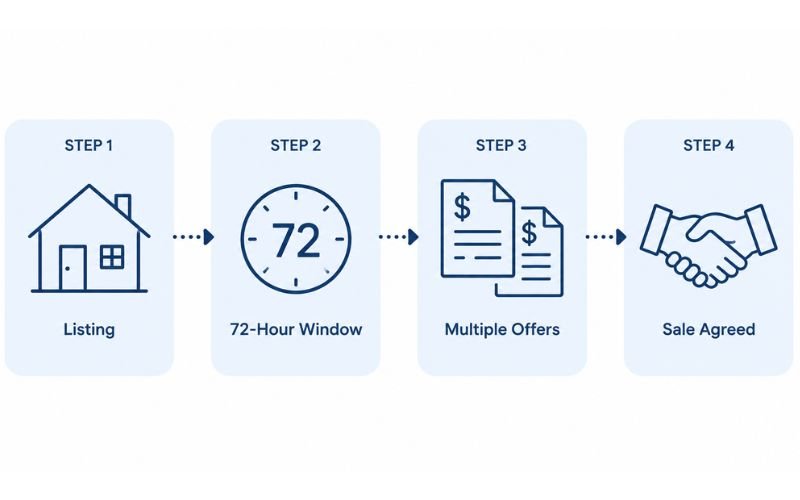
72 Sold is a real estate marketing program founded in 2018 by Greg Hague, a Scottsdale, Arizona-based real estate broker and entrepreneur.
Unlike an iBuyer platform that purchases homes directly, 72 Sold works through licensed real estate agents and brokerages. The company’s model is built around creating urgency and buyer competition through:
- Limited showing windows
- Compressed marketing timelines
- Coordinated buyer activity
- Offer review periods designed to generate multiple bids
The company gained national attention through television advertising that promoted a faster and more streamlined selling process than traditional real estate listings.
Partnership With Keller Williams Realty
A major milestone came in 2021 when 72 Sold announced a partnership with Keller Williams Realty, helping expand the program’s reach through participating agents and brokerages across multiple markets.
The partnership significantly increased brand visibility and helped position 72 Sold as an alternative to both traditional listing methods and cash-buyer programs.
Is 72 Sold an iBuyer?
No.
One common misconception is that 72 Sold operates like companies such as Opendoor or Offerpad. In reality, 72 Sold generally does not purchase homes directly. Instead, it uses licensed agents and a structured marketing process intended to attract competing offers from buyers.
Is There Really a 72 Sold Lawsuit? (Debunking the Confusion)
The answer depends on which lawsuit people are referring to.
No Certified 72 Sold Class Action Exists
As of June 2026, multiple legal sources indicate that there is no certified class-action lawsuit against 72 Sold involving allegations of misleading marketing, consumer fraud, or deceptive advertising.
This distinction is important because many websites discussing a “72 Sold class action” present speculation or unverified claims as established legal fact.
To date, no publicly reported court certification has transformed consumer complaints into a nationwide class-action proceeding.
Why Do So Many People Search for “72 Sold Lawsuit”?
Part of the confusion appears to stem from online discussions about consumer complaints and dissatisfaction with certain aspects of the company’s marketing.
In addition, some legal commentators and industry observers have claimed that competitor-driven content campaigns amplified stories about a supposed class action that did not actually exist.
Those allegations themselves remain disputed and should not be treated as established fact. However, the company has publicly suggested that misleading online coverage contributed to confusion surrounding its legal status.
The One Confirmed Legal Case: 72 Sold v. Houzeo Corporation

The most widely documented lawsuit involving 72 Sold is a trademark infringement action filed by the company against Houzeo Corporation.
Case Information
- Case: 72 Sold Holdings LLC v. Houzeo Corporation
- Case Number: 2:2024cv00023
- Court: U.S. District Court for the District of Arizona
- Filed: 2024
According to court filings, 72 Sold alleged unauthorized use of its branding and trademark-related intellectual property.
Public records show several extensions for responses during the early stages of litigation. As of June 2026, there has been no widely reported public update indicating a final trial verdict.
Legal experts note that intellectual property disputes frequently resolve through confidential settlements, licensing agreements, or negotiated resolutions without extensive public announcements.
Because no final public disposition has been widely reported, any conclusion beyond the available court filings should be treated as speculative.
What Are the Actual Consumer Complaints?
Although there is no certified 72 sold class action, there are documented consumer complaints discussing various aspects of the company’s business model.
These complaints should be viewed as allegations made by consumers, not findings of liability.
Alleged Marketing Timeline Confusion
One of the most common themes involves the company’s advertising references to selling homes within a short timeframe.
According to reported complaints, some consumers believed the marketing implied their entire transaction would be completed within 72 hours.
Critics argue that these expectations may not align with how residential real estate transactions typically work, since inspections, financing approvals, title review, and closing procedures often require additional time.
Alleged Marketing Fees
Another recurring complaint concerns fees associated with the program.
Some consumers have reported unexpected marketing-related costs, often cited online at approximately $2,500.
The specific amount may vary depending on market, brokerage, and transaction structure.
Because fee disclosures can differ across jurisdictions and broker relationships, sellers should review all written agreements carefully before signing.
Pressure to Accept Lower Offers
According to some BBB complaints and online reviews, certain consumers felt pressured to accept offers below what they believed represented fair market value.
These allegations remain individual consumer reports rather than court findings.
At the same time, many positive reviews indicate satisfaction with the speed and convenience of the process, demonstrating that customer experiences vary significantly.
72 Sold Complaints BBB Discussions
When researching “72 sold complaints BBB,” consumers will find both positive and negative experiences.
Common complaint themes include:
- Advertising expectations
- Communication concerns
- Marketing fees
- Offer pricing disputes
- Contract understanding issues
Importantly, BBB complaints are not legal judgments and do not establish wrongdoing.
Timeline of Events
2018: Company Founded
Greg Hague launches 72 Sold in Arizona with the goal of creating a faster and more competitive home-selling process.
2019–2020: Regional Growth
The company expands its visibility through television advertising and broader marketing efforts.
2021: Keller Williams Partnership
72 Sold announces a partnership with Keller Williams Realty, significantly increasing national exposure and agent participation.
2022: Rapid Brand Expansion
The company expands into additional markets and gains substantial online visibility.
2023: Increase in Online Complaints
Consumer discussions regarding marketing claims, fees, and sales expectations become more visible across review platforms and complaint forums.
2024: Trademark Lawsuit Against Houzeo
72 Sold files trademark litigation against Houzeo Corporation in federal court in Arizona.
This remains the most clearly documented lawsuit involving the company.
2025: Continued Public Debate
Searches for terms such as “72 sold lawsuit 2025” and “72 sold class action” increase despite no certified class-action case being identified.
2026: Current Status
As of June 2026:
- No certified class action exists.
- Consumer complaints continue to appear through standard complaint channels.
- The company remains operational.
- The Houzeo trademark dispute remains the primary confirmed litigation publicly associated with the brand.
72 Sold’s Official Response & Position
72 Sold has consistently maintained that:
- No class-action lawsuit exists against the company.
- Its advertising practices comply with applicable real estate advertising laws.
- Consumers should rely on official information rather than online rumors.
- Some negative lawsuit-related coverage may have been influenced by competitor-driven SEO campaigns and alleged defamation efforts.
The company has also emphasized positive customer outcomes and maintains that its business model is designed to increase competition among buyers rather than reduce seller leverage.
As with any corporate statement, consumers should review both company explanations and independent sources before forming conclusions.
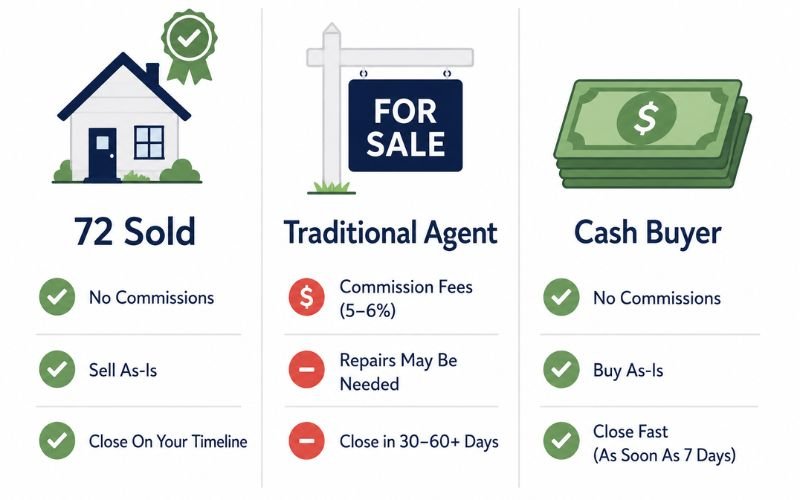
Fee Structure Breakdown
| Feature | 72 Sold | Traditional Real Estate Agent | Cash Buyer / iBuyer |
| Uses Licensed Agents | Yes | Yes | Usually No |
| MLS Exposure | Often Yes | Yes | No |
| Marketing Program | Structured urgency model | Traditional marketing | Limited |
| Buyer Competition | Intended focus | Market dependent | No |
| Commission Costs | Varies | Negotiated | Often replaced by service fees |
| Additional Marketing Fees | May apply depending on agreement | Varies | Usually not marketed separately |
| Speed of Offers | Potentially faster | Market dependent | Often fastest |
| Ability to Compare Multiple Offers | Yes | Yes | Usually No |
Note: Actual fees and commissions vary by state, brokerage agreement, and individual transaction.
What Sellers Should Verify Before Signing
Before entering any agreement with 72 Sold—or any real estate company—homeowners should complete the following due diligence steps.
Request a Written Fee Breakdown
Obtain documentation explaining:
- Commission structure
- Marketing fees
- Administrative charges
- Transaction costs
Understand the Timeline
Ask exactly what “72 hours” refers to:
- Offer generation?
- Listing exposure?
- Entire transaction timeline?
Written clarification can prevent misunderstandings.
Compare Multiple Selling Options
Obtain proposals from:
- Traditional real estate agents
- Discount brokerages
- Cash buyers
- iBuyer platforms
Verify Agent Credentials
Confirm licensing status through your state’s real estate regulatory authority.
Review Consumer Feedback Carefully
Look for patterns across multiple review sources rather than relying on a single complaint or testimonial.
Read Every Contract Provision
Pay close attention to:
- Cancellation rights
- Commission obligations
- Marketing requirements
- Duration of the agreement
Frequently Asked Questions
Is there an active 72 Sold lawsuit in 2026?
There is no certified class-action lawsuit against 72 Sold as of June 2026. However, the company has been involved in litigation, including the 2024 trademark infringement lawsuit against Houzeo Corporation. Individual consumer complaints also continue to be reported through BBB and other channels.
Is 72 Sold legitimate?
Yes. 72 Sold is a legitimate real estate marketing company operating through licensed real estate professionals. However, like any real estate service, consumers should independently review contracts, fees, and performance claims before making decisions.
What is the Houzeo trademark lawsuit about?
The Houzeo lawsuit involves allegations by 72 Sold that Houzeo improperly used protected branding or trademark-related assets. The case was filed in federal court in Arizona under Case No. 2:2024cv00023. Publicly available records show procedural activity, but no widely reported final outcome has been identified as of June 2026.
How does 72 Sold make money?
72 Sold generates revenue through its real estate marketing system and brokerage-related arrangements. Compensation may include commissions, licensing relationships, marketing programs, and affiliated real estate services depending on the specific transaction structure.
Should I file a BBB complaint against 72 Sold?
You should only file a BBB complaint if you believe you have personally experienced a problem that was not adequately resolved through normal communication channels. Complaints should be factual, documented, and supported by records. Filing a complaint does not create a lawsuit, nor does it guarantee a legal remedy.
Conclusion
The biggest misconception surrounding the 72 sold lawsuit is the belief that a nationwide class-action case has been filed and certified against the company. As of June 2026, that is not supported by publicly available legal records.
What does exist are individual consumer complaints, ongoing debates about marketing practices, and a confirmed trademark lawsuit filed by 72 Sold against Houzeo Corporation. Those are very different issues from a certified class action.
For sellers evaluating whether 72 Sold is legit, the best approach is to focus on written contracts, fee disclosures, local agent performance, and independently verified information. Consumer complaints deserve consideration, but they should be weighed alongside official responses and the absence of any certified class-action litigation as of 2026.