When Virginia Homeowners Should Hire a Public Adjuster for Property Damage Claims
When an insurance company cuts your property damage claim by thousands of dollars, most homeowners assume that’s the final number. It isn’t. Virginia law gives you the right to push back, and there’s a licensed professional whose job is to make sure you get paid what you’re owed.
The problem is that most homeowners don’t know this option exists. They accept the insurer’s first offer, sign the check, and move on – often leaving tens of thousands of dollars on the table. Insurance company adjusters work for the insurer. Their job is to minimize the payout, not maximize your recovery. That’s simply how the system works.
A public adjuster changes that dynamic. And in 2026, Virginia lawmakers passed two bills that make it harder for insurers to shortchange policyholders. This guide covers what a Virginia public adjuster does, when you need one, how the process works, and what the new laws mean for your claim.
What is a Virginia public adjuster (and how is it different)?
Most people encounter two types of adjusters. The first is the insurance company adjuster – an employee or contractor hired by your insurer to evaluate the damage and determine what the policy covers. The second is the independent adjuster, who also works for the insurance company on a contract basis. Both represent the insurer’s interests, not yours.
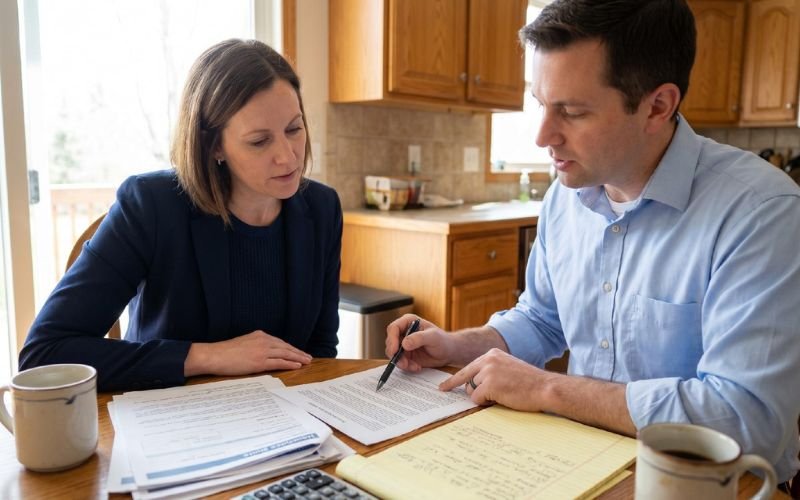
A Virginia Public Adjuster is different. They work exclusively for you, the policyholder. You hire them, and they handle the entire claims process on your behalf – reviewing your policy for coverage, documenting every item of damage, preparing a professional estimate, and negotiating with the insurance company to get you a fair settlement.
There’s an important distinction to keep in mind: a public adjuster cannot give legal advice or file a lawsuit. If your claim is denied outright or involves bad faith by the insurer, you may need an attorney. But if the insurance company has acknowledged coverage and the dispute is about how much your claim is worth – which is the most common scenario – a public adjuster is exactly who you need.
When should you hire a public adjuster in Virginia?
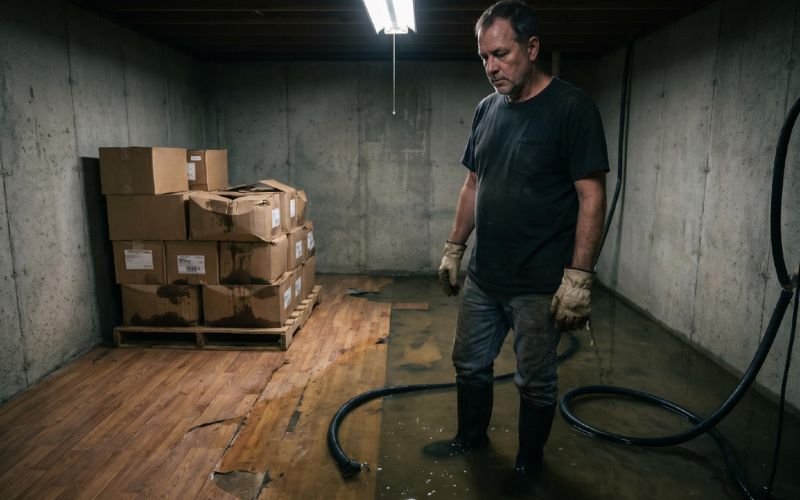
Not every claim needs a public adjuster. But certain situations strongly point to hiring one.
You should consider it if the insurance company offers far less than you expected. Initial offers are frequently incomplete – they miss code upgrades, overhead, and profit, and line items that are standard in professional estimates. If your claim involves significant damage, generally $25,000 or more, the complexity alone justifies professional representation.
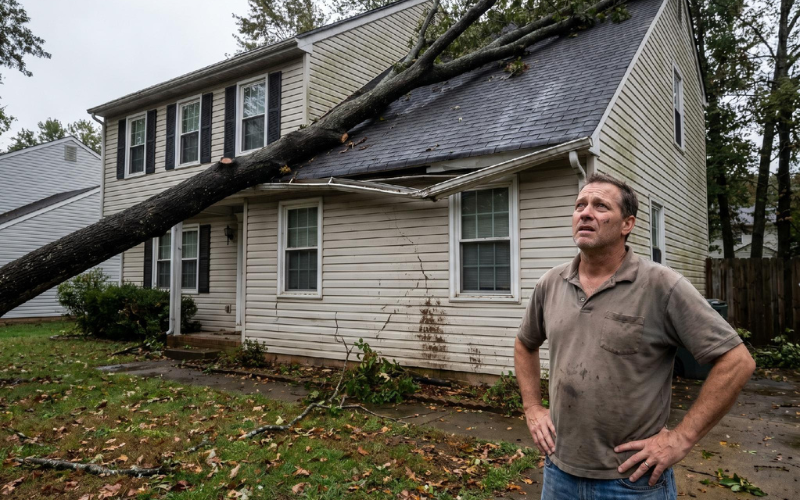
Claims after major weather events are another strong signal. Hailstorms, hurricanes, and winter freezes produce damage that’s hard for homeowners to document thoroughly. According to the Swiss Re Institute, insured catastrophe losses have exceeded $100 billion globally for six consecutive years. As claims grow larger and more complex, the gap between the insurer’s initial offer and the actual repair cost widens.
On the other hand, small claims under $10,000 with clear, straightforward damage may not need an adjuster. If the damage is minimal and the insurer agrees on the scope without pushback, you can handle it yourself.
The sweet spot for a public adjuster is when the insurance company agrees that the damage is covered but disputes the dollar amount. That’s where professional negotiation makes the biggest impact.
The step-by-step public adjuster claims process
Most homeowners don’t know what a public adjuster actually does after being hired. The process follows a clear sequence.
It starts with a free consultation. The adjuster reviews your situation, explains what they can do, and if you decide to proceed, you sign a contract. Virginia law gives you three days to cancel that contract without penalty – five days if the claim was caused by a declared catastrophe.
Next comes the inspection. The adjuster visits your property with professional equipment, including thermal imaging cameras to find hidden water damage, moisture meters, and sometimes expert reports from engineers or roofing contractors. Every item of damage gets photographed and documented.
Then the adjuster reviews your policy line by line, identifying every coverage category that applies to your loss. They prepare a detailed estimate that accounts for materials, labor, permits, and code upgrades. This estimate is submitted to the insurance company along with all supporting documentation.
The negotiation phase follows. The insurance company reviews the submission and responds with its own assessment. Your adjuster pushes back on disputed items, provides additional evidence, and works to reach a settlement. Understanding how claim timelines work in practice helps set expectations – the process typically takes weeks, not days.
Nothing gets finalized without your written approval. The insurance company sends the settlement check directly to you, and you pay your adjuster the agreed-upon fee from the proceeds.
What a public adjuster contract must include under Virginia law
Virginia law sets specific requirements for public adjuster contracts. These rules exist to protect homeowners and ensure transparency.
Every contract must state the fee structure clearly. Most public adjusters work on a contingency basis – they take a percentage of the final settlement. Virginia does not cap this fee, so the percentage is negotiated upfront and must be in writing.
The contract must include the adjuster’s license number issued by the Virginia State Corporation Commission. It must also include a notice of your right to cancel within three business days. For claims arising from a disaster declared by the governor, that period extends to five days.
Virginia requires public adjusters to maintain a $50,000 surety bond. This bond protects you if the adjuster mishandles your claim or violates state regulations. You can verify a public adjuster’s license and bond through the Virginia SCC’s online database.
For a full breakdown of your rights, the Virginia SCC Consumer Guide on Public Adjusters covers contract requirements, fee disclosures, and what to do if you have a complaint.
2026 Virginia law changes that affect your claim

Two bills passed in 2026 change how Virginia property damage claims are handled. Both are significant, and every homeowner should know about them.
HB437, which passed the House 98-0 and the Senate 40-0, strengthens standards of conduct for public adjusters. It adds new prohibitions against kickbacks and referral fees. It also creates explicit protections for vulnerable adults – anyone who is elderly or has a disability – making it illegal for adjusters to exploit them. The full text of HB437 (2026) is available through Richmond Sunlight.
HB808, effective July 1, 2026, is arguably the bigger change for homeowners. It requires insurance companies to provide a detailed written explanation whenever they reduce a property loss estimate by $3,000 or more. The insurer must also retain all versions of the adjustment report. This means they can no longer quietly cut your estimate without explaining why.
These laws don’t change the basic claims process. What they do is add accountability. An insurer that previously reduced your claim by $5,000 without explanation must now provide the reasons in writing. And a public adjuster who engages in unethical conduct now faces clearer penalties.
Common mistakes that cost Virginia homeowners
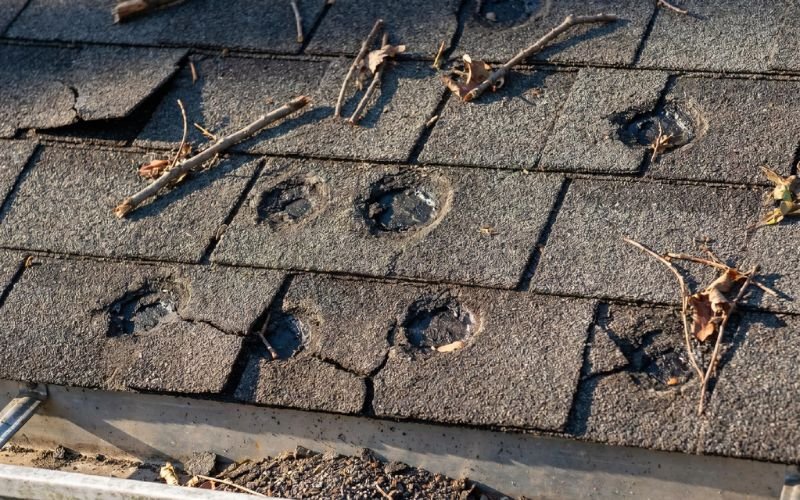
Even with good intentions, homeowners make mistakes that reduce their settlement. Here are the most costly ones.
The biggest mistake is accepting the first offer. Insurance company adjusters are trained to start low. Their initial estimate is rarely the full picture. Having a public adjuster review it before you sign anything can make a big difference.
Making permanent repairs before the adjuster visits is another common error. Once you replace the drywall or patch the roof, the insurance company can argue they can’t verify the full extent of the damage. Document everything first, then repair.
Missing the filing deadline is expensive. Some policies require you to file a claim within 30 or 60 days of the loss. Virginia law gives you at least one year from the date of loss to sue if the claim is denied, but your policy’s internal deadlines are often shorter. Waiting too long can result in the loss of your coverage entirely.
Homeowners also routinely miss claimable items such as code upgrades required by building codes, overhead and profit that general contractors charge, and diminished value – the fact that a repaired home is worth less than one that was never damaged. These line items add up to thousands of dollars.
The wind-and-hail deductible in Virginia is another trap. Many policies have a separate deductible for wind and hail damage calculated as a percentage of the insured value – typically 1 to 2 percent. On a $400,000 home, that’s $4,000 to $8,000 before coverage kicks in. Homeowners who don’t know about this deductible are blindsided when their claim payment is much lower than expected.
Understanding property owner responsibilities and liability can help you avoid these pitfalls, especially when deciding how to handle repairs after a loss.
The bottom line on Virginia public adjusters
Virginia homeowners have more leverage than they realize. The 2026 laws make it harder for insurers to lowball claims without accountability, and a licensed public adjuster puts someone with expertise on your side of the negotiation table.
Before hiring anyone, verify their license through the Virginia SCC. Compare a few firms. Read the contract carefully, paying attention to the fee percentage and the cancellation terms. And remember that you have three days to change your mind after signing.
A public adjuster isn’t the right call for every situation. If your claim is small and straightforward, you can handle it yourself. If the insurer has denied coverage entirely or acted in bad faith, you may need an attorney. But for the vast majority of property damage claims in Virginia – claims where coverage is accepted but the amount is in dispute – a public adjuster is your strongest advocate.