What Is a Tax Increase Lawsuit? Understanding Property Tax Disputes and Legal Challenges
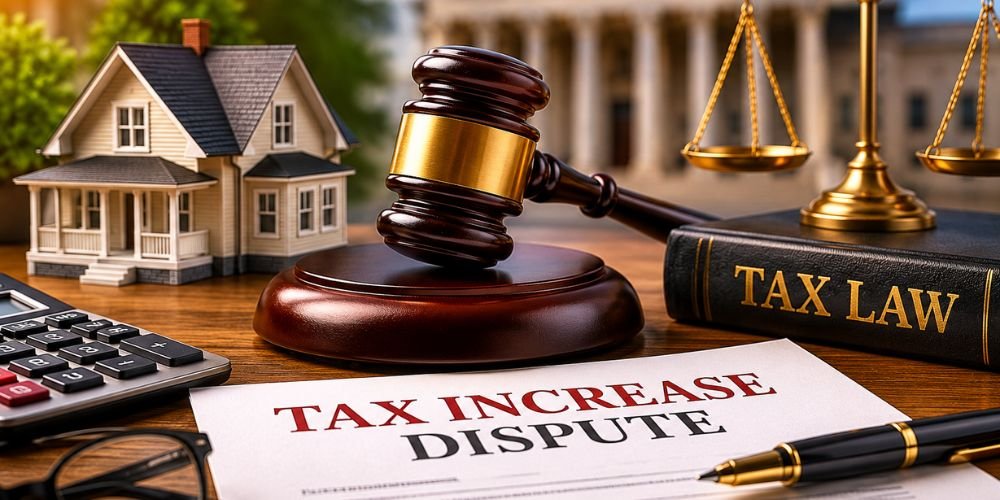
Property taxes and other government taxes often increase over time. In many cases, these increases are legal and help fund public services such as schools, roads, police departments, and emergency services. However, some taxpayers believe certain tax increases are unfair, inaccurate, or even unlawful. When individuals or businesses legally challenge those higher taxes, the dispute may become a tax increase lawsuit.
In recent years, rising property values and changing tax laws have caused many homeowners and business owners to see higher tax bills. Some people accept these increases, while others question whether the government followed proper legal procedures during the assessment process.
This guide explains:
- what a tax increase lawsuit is
- why people file tax disputes
- how the property tax appeal process works
- when taxpayers may file lawsuits
- what evidence may help during a tax challenge
If you are a beginner trying to understand property tax disputes or taxpayer rights, this article will help explain the process in simple language.
What Is a Tax Increase Lawsuit?
A tax increase lawsuit is a legal challenge related to higher taxes or disputed tax assessments. These lawsuits are usually filed against government agencies, counties, municipalities, or tax authorities.
Taxpayers may file lawsuits when they believe:
- the property assessment is incorrect
- the tax increase is unfair
- local officials violated legal procedures
- the government overvalued a property
- constitutional rights were ignored
These disputes can involve:
- property taxes
- commercial property taxes
- local business taxes
- municipal tax increases
- tax reassessment disputes
In many situations, taxpayers first go through a tax appeal process before taking legal action in court.
Why Are Property Taxes Increasing?
Property taxes can rise for many reasons. Understanding why taxes increase is important before deciding whether a legal challenge is necessary.
Rising Property Values
One of the biggest reasons for higher property taxes is increasing real estate value.
When home prices rise, local governments may reassess properties based on current market conditions. A higher assessed value usually results in a larger tax bill.
For example:
- A home purchased for $220,000 may now be worth $380,000
- The county reassesses the property
- Taxes increase based on the updated value
This is one of the most common causes of property tax disputes.
Local Government Budget Needs
Cities and counties depend on tax revenue to fund public services such as the following:
- schools
- road repairs
- police departments
- fire services
- healthcare programs
If governments face budget shortages, they may increase taxes to cover expenses.
Infrastructure Projects
Large public projects sometimes require additional funding through taxes.
Examples include:
- highway construction
- new schools
- transportation systems
- water and sewer upgrades
Some taxpayers challenge these increases if they believe legal procedures were not followed properly.
Changes in Tax Laws
State and local governments occasionally update tax laws or reassessment systems.
These changes can affect:
- homeowners
- landlords
- businesses
- commercial property owners
Sometimes taxpayers disagree with how the new rules are applied.
Common Reasons People File a Tax Rise Lawsuit
Not every tax increase automatically leads to a lawsuit. However, taxpayers may challenge higher taxes for several important reasons.
Incorrect Property Assessments
Mistakes in property records are one of the leading causes of tax disputes.
Common assessment errors include:
- incorrect square footage
- wrong property classification
- outdated property information
- inaccurate market comparisons
- clerical mistakes
Even small errors can increase taxes significantly.
Unequal Taxation
Some homeowners or businesses discover similar nearby properties are taxed at much lower rates.
This may lead to claims involving:
- unequal taxation
- unfair assessments
- discriminatory tax practices
Commercial property owners frequently raise these concerns during tax disputes.
Violations of Legal Procedures
Local governments must follow legal rules before increasing taxes.
Problems may happen if officials:
- fail to provide proper notice
- skip public hearings
- ignore voting requirements
- violate state procedures
These situations may lead to legal challenges against municipalities.
Constitutional Challenges
In some cases, taxpayers claim that tax increases violate constitutional rights.
Examples may include:
- unequal treatment
- due process violations
- improper government authority
These cases are often more complex and may involve higher courts.
Readers interested in legal terminology may review constitutional law definitions for a better understanding of constitutional protections and due process rights.
Understanding the Property Tax Appeal Process
Before filing a lawsuit, most taxpayers must complete a formal tax appeal process.
Understanding each step is extremely important.
Step 1: Review the Tax Assessment Notice
The first step is carefully reviewing the tax notice for possible errors.
Check for:
- incorrect measurements
- inaccurate property descriptions
- unrealistic market values
- missing exemptions
Simple mistakes sometimes lead to large increases in taxes.
Step 2: Gather Supporting Evidence
Strong evidence is important in any tax dispute.
Helpful documents may include:
- property appraisals
- photographs
- repair estimates
- inspection reports
- tax history records
- comparable property sales
Businesses may also use commercial valuation reports and financial records.
Step 3: File a Tax Appeal
Most states require taxpayers to file an administrative tax appeal before going to court.
Deadlines are extremely important.
Missing the filing deadline may limit or completely remove legal options.
Step 4: Attend a Hearing
Tax hearings allow taxpayers to explain why they believe the assessment is incorrect or unfair.
During the hearing:
- evidence is reviewed
- officials ask questions
- property values are discussed
- taxpayers present arguments
Some cases are resolved during this stage without needing a lawsuit.
Step 5: File a Tax Increase Lawsuit
If the appeal does not resolve the dispute, taxpayers may decide to file a lawsuit.
At this stage:
- attorneys often become involved
- court procedures apply
- judges review evidence
- expert witnesses may testify
Complex tax litigation can take months or even years to resolve.
Real Examples of Tax Disputes
Real-world examples can help beginners better understand how tax lawsuits happen.
Example 1: Incorrect Property Value
A homeowner receives a property tax bill showing a major increase.
After reviewing county records, the owner discovers the home was incorrectly listed as having:
- extra square footage
- additional bathrooms
- upgraded features
The homeowner files a tax appeal and later challenges the assessment legally.
Example 2: Business Tax Dispute
A business owner notices nearby commercial buildings with similar sizes are taxed much lower.
The owner believes the assessment process is unfair and files a commercial tax challenge.
Example 3: Community Tax Lawsuit
Residents oppose a new city tax increase approved without proper public procedures.
A community organization files a lawsuit claiming local officials violated state law.
Can You Sue the Government Over a Tax Increase?
Many taxpayers ask whether they can legally sue over higher taxes.
In some situations, yes.
However, courts usually require taxpayers to:
- follow the tax appeal process first
- provide strong evidence
- show legal violations occurred
Simply disliking higher taxes is usually not enough.
Taxpayers can also review official taxpayer rights information to better understand their legal protections during tax disputes.
Taxpayers often must prove:
- inaccurate assessments
- unequal treatment
- legal procedure violations
- constitutional concerns
How Attorneys Help in Tax Increase Lawsuits
Tax law can quickly become complicated. Many people hire attorneys during property tax disputes or commercial tax litigation.
A tax attorney may help by:
- reviewing assessments
- identifying legal mistakes
- gathering evidence
- preparing legal documents
- representing taxpayers during hearings
- filing lawsuits in court
Businesses and commercial property owners often rely heavily on legal professionals because financial stakes may be very high.
Many tax-related cases involving companies may also connect with commercial legal disputes that affect business operations and financial compliance.
How Long Does a Tax Lawsuit Take?
Every tax dispute is different.
Some tax appeals are resolved within a few months, while larger lawsuits may continue for years.
Several factors affect timelines:
- court schedules
- complexity of evidence
- local tax laws
- appeals
- government responses
Commercial property disputes often take longer than residential cases.
Can a Tax Increase Be Stopped?
Sometimes taxpayers ask whether a lawsuit can stop a tax increase completely.
The answer depends on the situation.
Courts may review:
- whether proper procedures were followed
- possible harm to taxpayers
- constitutional concerns
- public interest factors
In some cases, courts temporarily delay tax increases while legal proceedings continue.
Tips for Homeowners Facing Higher Property Taxes
Many taxpayers do not realize they can challenge inaccurate property assessments.
These tips may help reduce problems during tax disputes.
Review Every Tax Notice Carefully
Never assume government records are automatically correct.
Mistakes happen more often than many people expect.
Compare Similar Properties
Research nearby homes with similar features:
- size
- condition
- location
- market value
This can help identify unequal taxation.
Keep Property Records Organized
Important records include:
- property purchase documents
- previous tax records
- inspection reports
- repair estimates
- property appraisals
Strong documentation can improve the chances of a successful appeal.
Understand Local Tax Rules
Tax laws vary by:
- state
- county
- municipality
Learning local procedures is very important before filing appeals or lawsuits.
Tax Appeal vs. Tax Lawsuit
Many beginners confuse tax appeals with lawsuits.
Here is the basic difference.
| Tax Appeal | Tax Lawsuit |
| Usually handled by local tax boards | Handled in court |
| Less formal process | Formal legal proceedings |
| Focuses on correcting assessments | Focuses on legal disputes |
| Often faster | Usually takes longer |
| May not require a lawyer | Often involves attorneys |
In many situations, taxpayers must complete the appeal process before filing a lawsuit.
Are Tax Increase Lawsuits Common in the United States?
Yes. Tax-related disputes happen regularly across the country.
Common causes include:
- rising housing markets
- reassessment programs
- local budget shortages
- commercial property disputes
- taxpayer concerns about fairness
During periods of rapid property value growth, property tax appeals often increase significantly.
Important Legal Disclaimer
Tax laws vary by state and local jurisdiction. This article is for informational and educational purposes only and should not be considered legal advice.
Individuals facing specific tax disputes should consult a qualified attorney or tax professional familiar with local laws.
Conclusion
A tax increase lawsuit is a legal challenge involving disputed taxes, inaccurate assessments, or concerns about unfair taxation. These disputes may involve homeowners, businesses, or entire communities questioning whether tax increases were handled legally and fairly.
Although governments have the authority to raise taxes in many situations, taxpayers also have legal rights. Incorrect assessments, unequal taxation, procedural mistakes, and constitutional concerns can all lead to tax appeals or lawsuits.
Understanding how property tax disputes work is an important first step for anyone dealing with higher taxes. Reviewing tax notices carefully, gathering strong evidence, understanding local procedures, and seeking legal guidance when necessary can help taxpayers make informed decisions.
For beginners, learning the basics of tax litigation and property tax appeals can make complicated legal issues much easier to understand.
Frequently Asked Questions
What is a tax increase lawsuit?
A tax increase lawsuit is a legal challenge against higher taxes or disputed property tax assessments believed to be unfair or unlawful.
Can homeowners challenge property tax increases?
Yes. Homeowners can often file tax appeals or lawsuits if they believe property assessments are inaccurate.
What evidence helps in a tax appeal?
Helpful evidence may include:
- property appraisals
- tax records
- photographs
- comparable property sales
- inspection reports
- repair estimates
Do I need a lawyer for a tax dispute?
Some smaller appeals may not require legal representation, but complex tax litigation often involves attorneys.
Can businesses file tax lawsuits?
Yes. Businesses may challenge commercial property taxes, local tax increases, and unfair assessments.
How long does a tax lawsuit take?
Simple tax appeals may resolve within months, while major lawsuits can take years depending on complexity.
Are tax increases always legal?
Not always. Governments must usually follow proper legal procedures and constitutional requirements when increasing taxes.