
Credit One Bank Lawsuit Settlement: What’s Verified, Who Qualifies, and What Consumers Need to Know
When news about a Credit One Bank lawsuit settlement starts circulating online, it naturally raises questions for consumers. Is the settlement real? Who is eligible? Can affected customers receive compensation? And perhaps most importantly—how can people separate verified legal information from rumors spreading on social media and unofficial websites?
Quick Summary
Key Takeaways:
- Several lawsuits involving Credit One Bank have been filed in recent years, including claims related to robocalls, debt collection, and consumer protection laws.
- There is no universal payout available for every customer. Eligibility depends on the specific legal case and settlement terms.
- Legitimate settlement claims never require upfront fees.
- Consumers should always verify information through official court records and trusted settlement administrators.

These are important questions because lawsuits involving financial institutions often attract widespread attention, especially when they involve consumer rights, robocalls, debt collection practices, or credit reporting concerns.
This guide explains what is verified about Credit One Bank-related legal actions, who may qualify in certain cases, and what consumers should do to protect themselves. The goal is to provide clear, factual, and beginner-friendly information without unnecessary legal jargon.
Understanding the Credit One Bank Lawsuit Settlement
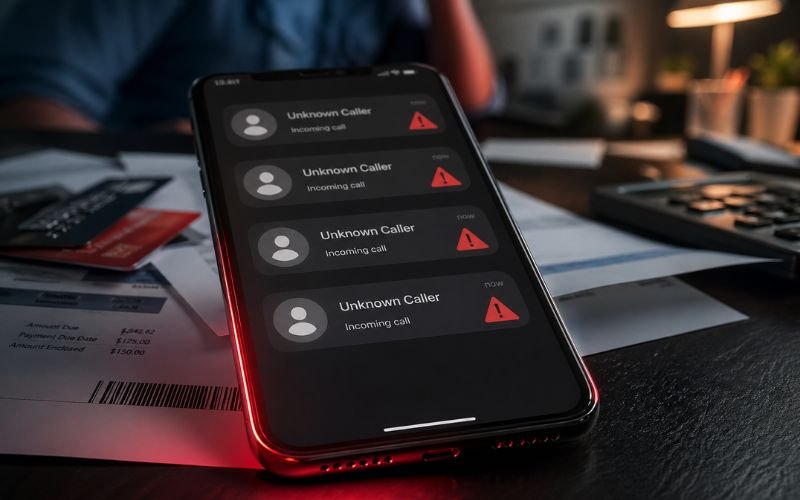
A lawsuit settlement happens when a company chooses to resolve legal claims without going through a full court trial. This does not always mean the company admits wrongdoing. In many cases, settlements are used to reduce legal costs, avoid uncertainty, and bring disputes to a faster conclusion.
When people search for information about a Credit One Bank lawsuit settlement, they often encounter different types of legal actions. These cases may involve consumer rights, communication practices, or financial reporting issues.
To better understand the landscape, here is a simple breakdown of the most common legal categories:
| Issue Type | Legal Framework | Typical Outcome |
| Robocalls | TCPA | Direct compensation per call |
| Debt Collection | FDCPA | Credits to account or cash payment |
| Credit Reporting | FCRA | Correction of credit report |
This table highlights how different complaints fall under separate legal frameworks. Each law protects consumers in specific situations.
For example:
- TCPA (Telephone Consumer Protection Act) focuses on unauthorized robocalls and automated messages.
- FDCPA (Fair Debt Collection Practices Act) addresses abusive or unfair debt collection methods.
- FCRA (Fair Credit Reporting Act) protects consumers against inaccurate credit reporting.
Because these legal areas differ, settlement outcomes also vary. Some cases may involve cash compensation, while others may focus on correcting records or adjusting account balances.
It is also important to recognize that not every online claim about a “large settlement payout” is verified. Some websites may discuss legitimate legal actions, while others may exaggerate details or spread misleading information.
For that reason, consumers should always rely on trusted legal sources, official court filings, and verified settlement notices before assuming they are eligible for compensation.
Legalese Translator:
If you see the term “Injunction,” it means the court is ordering the bank to change its behavior (for example, stopping unwanted calls or correcting certain practices).
If you see “Restitution,” it means money is being returned to consumers as compensation for harm or losses.
What’s Verified About Credit One Bank Lawsuits?
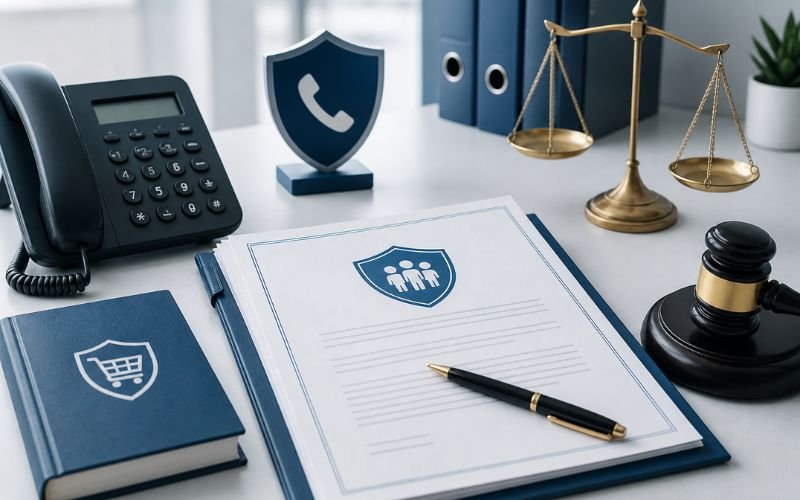
Several legal disputes involving financial institutions like Credit One Bank have focused on compliance with consumer protection laws, particularly in areas such as debt collection, robocalls, and consumer communication practices.
One area often discussed is the Telephone Consumer Protection Act (TCPA). This federal law regulates telemarketing calls, automated dialing systems, and prerecorded voice messages. Consumers who receive repeated automated calls without prior consent may have grounds to challenge those actions under federal law.
In early 2026, Credit One Bank finalized a $10.2 million settlement with California regulators related to debt collection practices. This case drew significant attention because it highlighted concerns over how financial institutions communicate with consumers during collection efforts. However, it is important to understand that this settlement primarily funded civil penalties and consumer protection education programs, rather than direct payments to all nationwide customers.
To see the official press release for this specific action, consumers can visit the California Attorney General’s official “News” portal and search for “Credit One Bank 2026” for source verification.
This distinction matters because many online discussions incorrectly assume that every settlement results in compensation checks for all account holders. In reality, settlement terms vary depending on the legal claims, affected groups, and court-approved resolutions.
Example of a Common Legal Claim
If a customer receives repeated automated calls on their mobile phone without prior consent, they may argue that those calls violate TCPA rules.
For example:
- A consumer misses a payment
- The bank uses an automated system to call repeatedly
- The consumer claims they never consented to those calls
In such situations, lawsuits may be filed individually or as class actions.
These types of cases can lead to settlements if enough evidence supports consumer claims. However, each case is unique, and not every complaint results in compensation for consumers. Some settlements focus on regulatory enforcement, compliance changes, or public consumer protection efforts instead of direct payouts.
Who Qualifies for a Settlement?

Eligibility depends entirely on the specific legal case. Not everyone with a Credit One Bank account automatically qualifies for settlement benefits.
In most cases, qualification is based on the details of the lawsuit, including the type of claim, the affected customer group, and the timeline involved.
Understanding the “Class Period”
One of the most important factors in any settlement is the Class Period.
A Class Period refers to the specific dates during which the alleged issue occurred. You may only qualify if your experience falls within that defined timeframe.
For example, if a settlement covers customers who received unauthorized calls between January 2022 and December 2024, individuals outside those dates may not be eligible—even if they had similar experiences.
That’s why it is essential to compare:
- The dates listed in the official notice
- Your account activity timeline
- When the alleged issue occurred
Consumers often assume all account holders qualify, but legal cut-off dates can significantly limit eligibility.
Common Eligibility Factors
Consumers may qualify if they:
- Received unauthorized robocalls
- Were contacted through automated systems without consent
- Experienced unlawful debt collection practices
- Were part of a certified class action group
- Received official notice regarding settlement participation
Each settlement has its own legal criteria, so requirements can vary.
Why Official Notice Matters
In most class action settlements, affected individuals are contacted directly through:
- Postal mail
- Settlement websites
- Legal notices
Look for:
Envelopes that say “OFFICIAL COURT-ORDERED LEGAL NOTICE” on the front. These are often mistaken for junk mail or “prescreened” credit offers. Do not shred them until you verify the case name inside.
If you have not received official communication, that does not necessarily mean you are excluded—but it does mean you should verify information carefully.
Check your account opening date, communication records, and the settlement’s listed Class Period before assuming eligibility.
Never rely solely on social media posts or online rumors when determining whether you qualify.
How to Verify if a Settlement Is Real
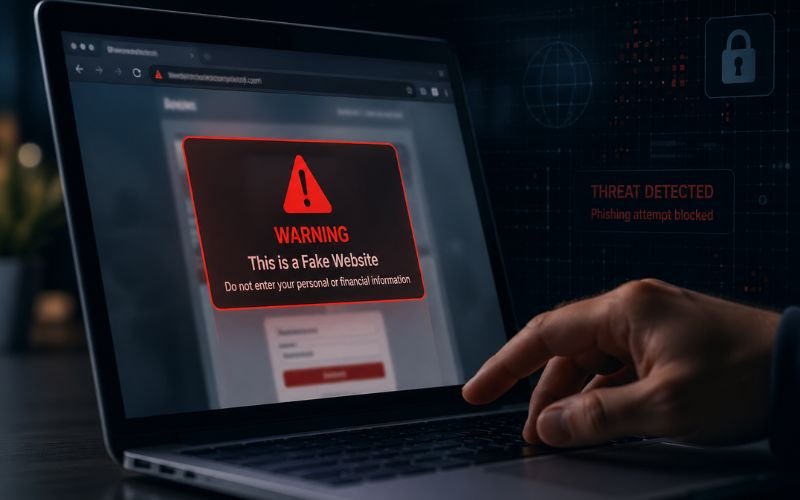
Misinformation spreads quickly, especially when legal settlements are involved. Viral social media posts, unofficial blogs, and fake claim portals can make it difficult for consumers to know what is legitimate.
To confirm whether a settlement is real, consumers should take a few important steps before sharing personal information or submitting any claim.
Check Official Court Records
Federal and state court databases often contain case details, filings, and final rulings. These records can help confirm whether a lawsuit exists and whether a settlement has actually been approved.
Search using:
- Case number
- Plaintiff names
- Defendant company name
If the case appears in official records, you can review the timeline and verify whether settlement terms have been finalized.
Visit Verified Settlement Websites
Legitimate settlement websites usually provide clear, professional, and legally required information.
Look for:
- Legal administrator information
- Court approval documents
- Claim submission deadlines
- Official contact details
- Privacy policies and terms of use
Pro-Tip: Legitimate settlement websites are usually managed by reputable administrators like Kroll, Angeion, or Epiq. If the website looks like it was built in an hour—or has excessive pop-up ads—leave immediately. Be especially cautious of suspicious URLs such as “CreditOneSettlement-2026-claim.com,” which may be designed to mimic official sources.
The Claim ID Rule
Legitimate notices almost always provide you with a unique Claim ID or Member ID. If a website asks you to submit a claim but does not have a place for a pre-assigned ID, or fails to reference one in your official notice, double-check its authenticity through a court database before proceeding.
Be Cautious of Red Flags
Fraudulent websites and scam messages often follow predictable patterns.
Watch out for websites or messages that:
- Ask for payment to submit claims
- Request sensitive financial information upfront
- Promise guaranteed payouts
- Use urgent scare tactics
- Pressure you to act immediately
A legitimate settlement process does not require upfront fees, and verified administrators will never use aggressive tactics to force participation.
When in doubt, pause and verify through official legal channels rather than relying on third-party websites.
What Consumers Should Do If They Believe They Were Affected
If you think you were impacted by practices related to a lawsuit, taking organized action can help you better understand your situation and protect your rights.
1. Create an Evidence Checklist
Use the following checklist to gather important records that may support a complaint or help verify eligibility in a legal case:
- Call Logs: Save screenshots or records of repeated or automated calls, especially from unknown or bank-related numbers
- Revocation Records: Keep copies of emails, messages, or notes where you requested calls or communication to stop
- Emails and Letters: Store all written communication related to your account, payments, or collections
- Account Statements: Review statements for unexpected fees, charges, or account activity
- Credit Reports: Download your free annual credit report and check for incorrect or unauthorized entries
Well-organized documentation can be useful when filing disputes, complaints, or legal claims.
Note on Timing
Most consumer protection laws (including the TCPA) have a four-year statute of limitations. This means that if your evidence or incidents are older than four years, you may no longer be eligible to join a new class action or file certain legal claims.
2. Review Your Rights
Understanding your consumer rights can help you determine whether your experience may fall under legal protection.
Relevant laws include:
- TCPA (Telephone Consumer Protection Act): Protects consumers from unauthorized robocalls and automated messages
- FDCPA (Fair Debt Collection Practices Act): Regulates how debt collectors can communicate with consumers
- FCRA (Fair Credit Reporting Act): Ensures accuracy and fairness in credit reporting
Knowing these laws helps you identify whether improper practices may have occurred in your case.
3. File Complaints If Necessary
If you believe your rights were violated, you can report your concerns to official regulatory bodies such as:
- Consumer Financial Protection Bureau (CFPB)
- Federal Trade Commission (FTC)
- Your State Attorney General’s Office
These agencies review complaints and may identify broader patterns affecting multiple consumers.
Why Lawsuit Settlement Information Often Becomes Confusing
Legal settlements are often misunderstood because information spreads in fragments.
One article may discuss a lawsuit filing, another may mention a settlement proposal, while social media posts may claim payouts without context.
This creates confusion.
Example of Misinterpretation
A proposed settlement in one state may only apply to a specific group of customers during a certain time period.
Yet online discussions may present it as if all account holders nationwide are eligible.
That is why context matters.
Always check:
- Dates involved
- Geographic scope
- Type of legal claim
- Eligibility requirements
Protecting Yourself From Settlement Scams
Settlement-related scams are becoming more common as legal news spreads quickly online. Fraudsters often take advantage of trending lawsuits and consumer confusion to trick people into sharing personal information.
One growing concern in 2026 is the rise of misleading social media ads, including TikTok, Facebook, and Instagram promotions that may use fake testimonials, edited videos, or even deepfake-style content. These ads often claim that users are “eligible for instant payouts” from cases like Credit One Bank settlements, which is usually not true.
Common Scam Tactics
- Fake claim websites that look official but are not connected to any court or legal administrator
- Phishing emails asking you to “verify eligibility”
- Text messages claiming you are owed compensation
- Requests for banking details or Social Security numbers
- Social media ads promising “instant $3,000 payouts” or similar guaranteed money claims
- Lead-generation scams that collect your details and sell them to telemarketers or third-party marketers
How to Stay Safe
- Never share Social Security numbers unless the source is officially verified
- Carefully check website URLs before entering any information
- Contact official settlement administrators directly using verified court or government sources
- Avoid clicking unknown links from emails, texts, or social media ads
- Be cautious of viral ads on TikTok, Facebook, or Instagram promising guaranteed money
- Understand that real settlements never promise instant payouts or guaranteed amounts
If something feels suspicious, pause and verify through trusted legal or government channels before taking any action. A legitimate settlement process is always transparent, documented, and backed by official court information.
What This Means for Consumers Going Forward
The broader lesson is that consumers should stay informed about their rights.
Banks and financial institutions must follow strict legal standards.
When disputes arise, legal action can help address unfair practices—but consumers must approach settlement claims with caution and awareness.
Knowledge is your strongest protection.
By understanding how lawsuits work, how eligibility is determined, and how to verify legal claims, you can make informed decisions rather than reacting to rumors.
Conclusion
The Credit One Bank lawsuit settlement topic continues to generate public interest, but not every online claim is accurate.
What matters most is distinguishing verified legal developments from misinformation.
Consumers should focus on official notices, court documents, and trusted legal resources.
If you believe you were affected, gather evidence, review your rights, and verify settlement details before taking action.
Staying informed ensures that you protect both your financial interests and personal information.
Frequently Asked Questions (FAQs)
Is the Credit One Bank lawsuit settlement real?
There have been legal disputes involving Credit One Bank and consumer-related claims. However, details vary by case, and not every online report is accurate. Always verify through official sources.
How do I know if I qualify?
Eligibility depends on the specific lawsuit and settlement terms. Official notices or verified settlement websites usually explain who is included.
Do I need to pay to file a claim?
No. Legitimate settlement claims do not require upfront fees.
How long does it take to get paid after a settlement?
Even after a settlement is verified and approved, payments are not immediate. In most cases, it can take 6 to 12 months or longer for claim processing, especially if there are appeals or administrative delays before checks are issued.
What laws are often involved in these cases?
Common laws include:
- Telephone Consumer Protection Act (TCPA)
- Fair Debt Collection Practices Act (FDCPA)
- Fair Credit Reporting Act (FCRA)
What should I do if I suspect a scam?
Do not provide personal or financial information. Verify through official court records or trusted settlement administrators.
Can all Credit One customers receive compensation?
No. Compensation only applies to eligible individuals within a specific legal case or settlement class.
Are settlement payouts taxable?
In many cases, settlement payments may be taxable depending on the type of compensation received.
- Payments related to physical injury or harm are generally not taxable.
- However, compensation for statutory damages (such as TCPA violations), interest, or lost income may be considered taxable income by the IRS.
Tax treatment can vary based on individual circumstances, so it is best to consult a qualified tax professional if you receive a significant settlement payment.