Progressive Class Action Lawsuit Settlement: What Consumers Should Know
Class action lawsuits involving major insurance companies often attract significant attention from policyholders and consumers. When people search for a Progressive class action lawsuit settlement, they are usually looking for answers about eligibility, potential compensation, claim procedures, and the status of a settlement.
Understanding how these settlements work can help consumers make informed decisions and avoid missing important deadlines. Whether you recently received a settlement notice or simply want to learn more about the process, this guide explains the key facts in simple language.
Understanding a Progressive Class Action Lawsuit Settlement
A class action lawsuit is a legal case filed on behalf of a group of people who experienced similar issues. Instead of each individual filing a separate lawsuit, the claims are combined into a single case.
When a class action lawsuit is settled, eligible individuals may receive compensation or other benefits. These settlements often occur before a case reaches trial, helping both sides avoid lengthy and costly legal proceedings.
In cases involving insurance companies, lawsuits may focus on issues such as:
- Claim handling practices
- Vehicle valuation disputes
- Billing concerns
- Consumer protection allegations
- Policy interpretation disagreements
- Administrative fee disputes
It’s important to understand that a settlement does not automatically mean a company admitted wrongdoing. Many settlements specifically state that claims are resolved without any admission of liability.
Why Are People Searching for Progressive Settlement Information?
Interest in a Progressive lawsuit settlement often increases when consumers receive notices, hear news reports, or see discussions online regarding compensation opportunities.
People commonly search for:
- Progressive settlement payout
- Progressive lawsuit settlement update
- Progressive settlement claim form
- Progressive class action eligibility
- Progressive insurance lawsuit settlement
- Progressive settlement payment date
These searches usually reflect a desire to determine whether someone qualifies for compensation and what steps may be required to participate.
How Class Action Settlements Typically Work
Although every case is different, most class action settlements follow a similar process.
Filing of the Lawsuit
The process begins when one or more plaintiffs file a lawsuit alleging that certain actions affected a group of consumers.
Class Certification
A court determines whether the case can proceed as a class action. If approved, the affected individuals become part of the class.
Settlement Negotiations
The parties may negotiate a settlement before trial. This often happens after evidence has been reviewed and both sides assess potential risks.
Preliminary Approval
The court reviews the proposed settlement and determines whether it appears fair enough to move forward.
Notice to Class Members
Eligible individuals may receive information regarding:
- Settlement details
- Eligibility requirements
- Claim deadlines
- Rights to opt out
- Objection procedures
Final Court Approval
Before benefits are distributed, the court usually conducts a final review hearing.
Distribution of Benefits
After approval, payments or other benefits may be provided to qualifying class members.
Who May Qualify for a Settlement?
Eligibility depends entirely on the specific settlement agreement.
Generally, eligibility may be based on factors such as:
- Having a qualifying insurance policy during a certain period
- Filing a covered claim
- Being affected by the practices described in the lawsuit
- Meeting the requirements outlined in the settlement notice
For example, some insurance-related settlements apply only to policyholders who filed certain types of claims within a specific timeframe.
This is why consumers should carefully review any settlement notice they receive.
How Settlement Payouts Are Determined
One of the most common questions is how much compensation a person might receive.
The answer depends on several factors, including:
- Total settlement fund amount
- Number of approved claims
- Individual damages
- Administrative expenses
- Court-approved attorney fees
Possible Types of Compensation
Settlement benefits may include:
- Cash payments
- Claim reimbursements
- Premium refunds
- Account credits
- Policy adjustments
- Other consumer benefits
Not every eligible participant receives the same amount. Some settlements divide funds equally, while others use formulas based on individual circumstances.
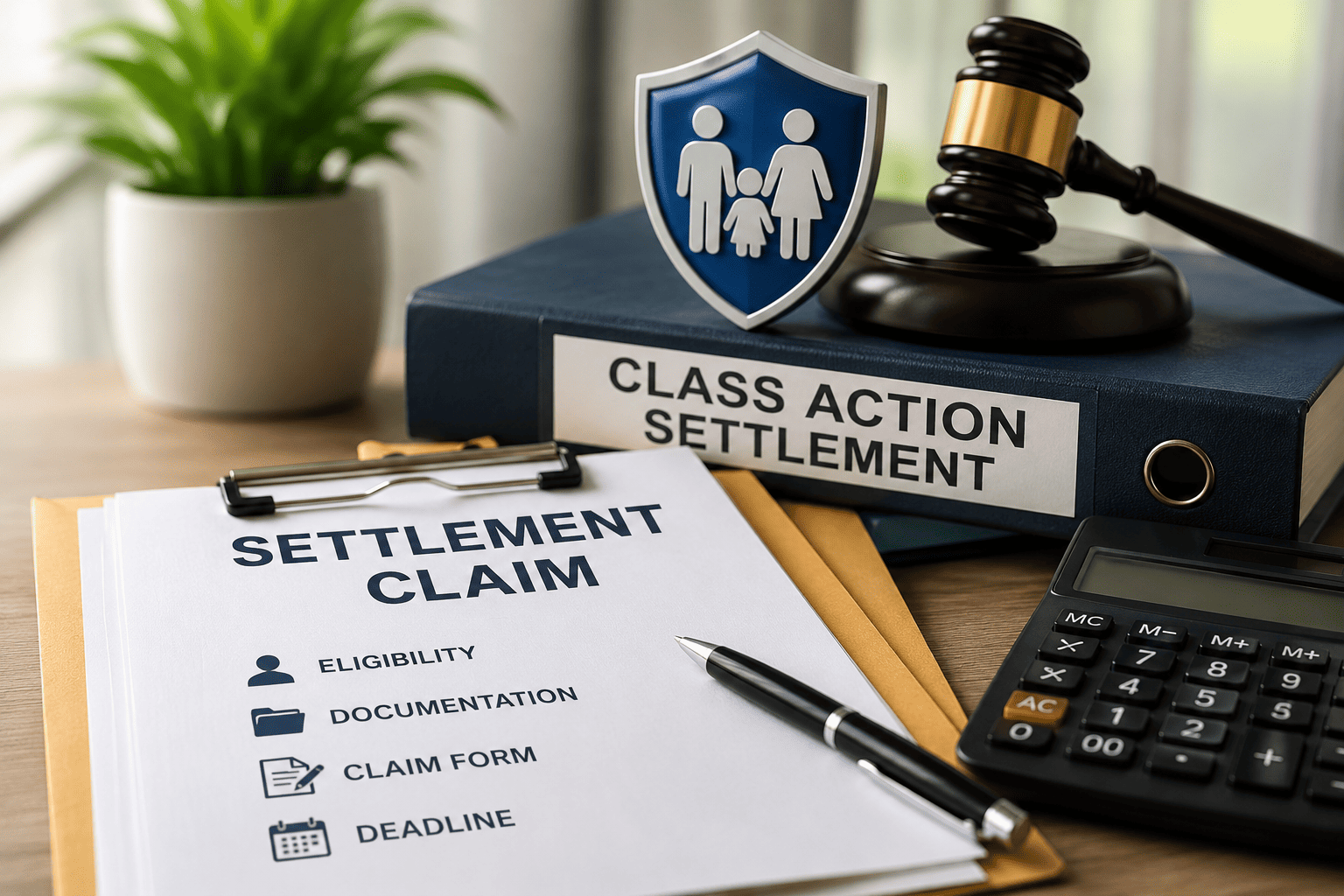
How to File a Settlement Claim
If a settlement requires claim submissions, following the instructions carefully is essential.
Understanding the settlement claim process can help consumers avoid common mistakes and ensure their claims are submitted correctly.
Information You May Need
Depending on the case, you may be asked to provide:
- Policy information
- Claim numbers
- Contact details
- Supporting documentation
- Proof of eligibility
Steps to Submit a Claim
- Read the settlement notice carefully.
- Verify your eligibility.
- Complete the claim form accurately.
- Attach any required documentation.
- Submit everything before the deadline.
- Keep copies for your records.
Even small mistakes can delay processing, so reviewing information before submission is important.
Warning Signs of Settlement Scams
Whenever a large settlement receives publicity, scammers sometimes attempt to take advantage of consumers.
Be cautious if someone
- Requests payment to receive settlement funds
- Asks for sensitive personal information without verification
- Contacts you through suspicious websites
- Promises guaranteed compensation
- Pressures you to act immediately
Legitimate settlement administrators generally provide detailed information about the case and explain the claims process clearly.
What to Do If You Receive a Settlement Notice
Receiving a notice does not automatically mean you will receive compensation.
Instead, take the following steps:
Review the Details
Read all information carefully and verify that the notice relates to you.
Check Eligibility Requirements
Determine whether you meet the settlement criteria.
Understand Your Options
Depending on the settlement, you may have the right to:
- Participate in the settlement
- Submit a claim
- Object to the settlement
- Opt out of the settlement
Track Important Dates
Missing a deadline could affect your ability to receive benefits.
Why Insurance Class Action Settlements Matter
Class action settlements play an important role in consumer protection.
They can:
- Provide compensation to affected consumers
- Resolve disputes efficiently
- Encourage transparency
- Clarify policy interpretations
- Reduce the burden on courts
- consumer protection laws
For many individuals, participating in a class action settlement is easier and more affordable than pursuing a separate lawsuit.
Common Questions Consumers Have
Will Everyone Receive the Same Settlement Amount?
Not necessarily. Payments often depend on eligibility factors and the structure of the settlement agreement.
How Long Does It Take to Receive Payment?
Settlement payments can take several months after final court approval, depending on claim reviews and administrative procedures.
Do I Need a Lawyer to Participate?
Many class action settlements allow eligible individuals to participate without hiring their own attorney.
What Happens If I Miss the Deadline?
Missing a deadline may prevent you from receiving benefits, even if you would otherwise qualify.
Tips for Staying Informed About Settlement Updates
Consumers interested in settlement developments should:
- Read official settlement notices carefully
- Monitor court-approved settlement websites
- Review updates from settlement administrators
- Keep contact information current
- Save copies of submitted documents
Staying organized can help prevent missed deadlines and reduce confusion throughout the process.
Conclusion
A Progressive class action lawsuit settlement can raise many questions for policyholders and consumers. While every settlement is different, understanding the basic process can help you evaluate notices, determine eligibility, and take appropriate action.
Whether you are researching a potential Progressive settlement payout, reviewing a claim form, or simply learning about your legal rights, the most important step is staying informed through official settlement communications and court-approved resources.
By understanding how class action settlements work, consumers can better protect their interests and make informed decisions when opportunities for compensation arise.
Frequently Asked Questions
What is a progressive class action lawsuit settlement?
It is a settlement that resolves a class action lawsuit involving Progressive and a group of consumers or policyholders who were allegedly affected by specific practices or issues.
Who qualifies for a Progressive settlement?
Eligibility depends on the terms of the specific settlement and may be based on policy status, claim history, or other qualifying factors.
How much is the Progressive settlement payout?
Settlement amounts vary based on the agreement, number of claims filed, and individual circumstances.
How do I file a settlement claim?
Eligible individuals typically complete a claim form and submit any required documentation before the claim deadline.
When will settlement payments be sent?
Payment timelines depend on court approval, claim processing, and settlement administration procedures.
Can I opt out of a class action settlement?
Many settlements allow eligible individuals to opt out if they prefer not to participate.
Does a settlement mean the company admitted wrongdoing?
Not necessarily. Many settlements specifically state that no wrongdoing or liability is admitted.
Where can I find official settlement updates?
Official settlement websites, court documents, and settlement administrators are generally the most reliable sources of information.