
Premises Liability Lawyer: Injury Claims, Compensation & Property Owner Negligence
Unsafe property conditions can change a person’s life in seconds. A wet grocery store floor, broken apartment stairway, poorly lit parking lot, or unsecured swimming pool can lead to devastating injuries that leave victims facing medical bills, lost income, physical pain, and emotional stress.
Many injured people assume accidents “just happen.” In reality, property owners often have a legal responsibility to keep their premises reasonably safe. When they fail to fix hazards, warn visitors about dangers, or provide adequate security, they may be held financially responsible for the harm caused.
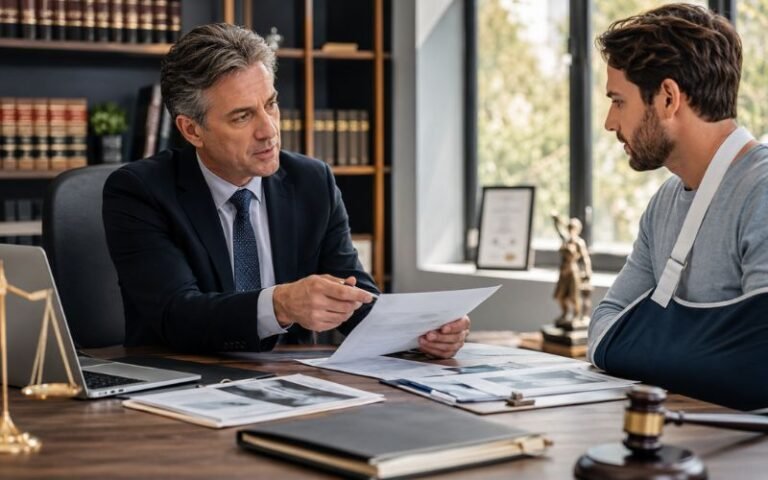
A skilled premises liability lawyer helps injured victims pursue compensation after accidents caused by dangerous property conditions. Whether the injury occurred at a retail store, apartment complex, hotel, restaurant, office building, or private residence, victims may have the right to file a premises liability lawsuit against negligent property owners and insurance companies.
This guide explains how premises liability claims work, what compensation may be available, and how an experienced premises liability attorney can protect your legal rights after an injury.
What Is a Premises Liability Lawyer?
A premises liability lawyer is a personal injury attorney who represents people injured because of unsafe or dangerous property conditions. These lawyers handle cases involving property owner negligence and help victims recover compensation for their injuries and losses.
Premises liability attorneys investigate accidents, gather evidence, negotiate with insurance companies, and file lawsuits when necessary.
Common Cases Handled by Premises Liability Lawyers
A premises liability lawyer may handle cases involving:
- Slip and fall accidents
- Trip and fall accidents
- Negligent security claims
- Swimming pool injuries
- Dog bites
- Elevator and escalator accidents
- Apartment complex injuries
- Retail store injuries
- Hotel accidents
- Construction site hazards
- Falling objects
- Unsafe stairways
- Poor lighting accidents
- Parking lot injuries
These accidents can happen almost anywhere, including:
- Grocery stores
- Shopping malls
- Restaurants
- Hotels
- Apartment buildings
- Parking garages
- Office buildings
- Public sidewalks
- Amusement parks
- Private homes
A lawyer’s primary goal is to prove that the property owner failed to maintain safe conditions and that negligence directly caused the victim’s injuries.
What Is Premises Liability?
Premises liability is an area of personal injury law that holds property owners and occupiers responsible when unsafe conditions on their property cause injuries.
In simple terms, property owners must take reasonable steps to keep visitors safe. If they ignore dangerous hazards or fail to warn people about known risks, they may be legally liable for injuries that occur.
Examples of Unsafe Property Conditions
Unsafe property conditions may include:
- Wet or slippery floors
- Broken handrails
- Uneven sidewalks
- Loose carpeting
- Poor lighting
- Exposed electrical wiring
- Lack of security
- Falling merchandise
- Unsafe staircases
- Ice or snow buildup
- Broken elevators
- Unsecured swimming pools
Understanding Property Owner Negligence
Negligence occurs when a property owner fails to act with reasonable care.
To establish negligence, injured victims generally must show:
- The property owner owed a duty of care
- The owner failed to maintain safe conditions
- The dangerous condition caused the injury
- The victim suffered damages
For example, if a store manager ignores a leaking refrigeration unit for several hours and a customer slips and suffers a head injury, the store may be liable for negligence.
Common Types of Premises Liability Cases
Premises liability claims involve many different types of accidents and dangerous property injuries.
Slip and Fall Accidents
Slip and fall accidents are among the most common premises liability claims.
These accidents often result from:
- Wet floors
- Spilled liquids
- Recently mopped surfaces
- Ice or snow
- Loose rugs
- Slippery entryways
A slip and fall lawyer helps victims prove that the property owner knew—or should have known—about the dangerous condition.
Example Scenario
A customer slips on a spilled drink in a grocery store aisle. Surveillance footage shows employees walked past the spill several times without cleaning it up. The victim suffers a fractured hip and requires surgery.
In this case, the business may be liable for failing to address the hazard promptly.
Trip and Fall Accidents
Trip and fall accidents happen when uneven surfaces or hidden obstacles cause someone to fall.
Common causes include:
- Broken sidewalks
- Cracked pavement
- Torn carpeting
- Loose floorboards
- Electrical cords
- Poorly maintained walkways
These accidents frequently cause serious injuries such as broken wrists, knee injuries, facial fractures, and spinal damage.
Negligent Security Claims
Property owners may be responsible for criminal acts that occur on their premises if inadequate security contributed to the incident.
Negligent security claims may involve:
- Assaults
- Robberies
- Sexual assaults
- Parking garage attacks
- Apartment complex crimes
Signs of Negligent Security
Examples include:
- Broken security gates
- Poor lighting
- Lack of security cameras
- Failure to hire security guards
- Broken locks
- History of prior criminal activity
Example Scenario
A hotel ignores repeated reports of broken exterior locks. An intruder enters the building and attacks a guest. The hotel may face liability for failing to provide adequate security measures.
Swimming Pool Accidents
Swimming pools create serious safety risks, especially for children.
Property owners may be liable for:
- Lack of fencing
- Missing warning signs
- Defective pool drains
- Slippery pool decks
- Inadequate supervision
- Improper maintenance
Swimming pool accidents can result in drowning, traumatic brain injuries, spinal cord injuries, and permanent disabilities.
Elevator and Escalator Accidents
Elevator and escalator accidents may occur because of:
- Mechanical failures
- Poor maintenance
- Sudden stops
- Misaligned floors
- Broken safety features
Victims can suffer crushing injuries, broken bones, head trauma, and severe lacerations.
Dog Bite Injuries
Dog owners may be liable if their animals attack visitors or pedestrians.
Dog bite injuries often involve:
- Deep puncture wounds
- Infections
- Nerve damage
- Scarring
- Emotional trauma
Children are particularly vulnerable to severe dog bite injuries.
Construction Site Hazards
Construction sites contain dangerous conditions that can injure workers, pedestrians, and visitors.
Hazards may include:
- Falling debris
- Unsafe scaffolding
- Exposed wiring
- Open holes
- Equipment accidents
In some cases, injured individuals may pursue both workers’ compensation and third-party premises liability claims.
Apartment Complex Injuries
Landlord negligence can create unsafe living conditions for tenants and guests.
Apartment complex injuries may involve:
- Broken staircases
- Inadequate lighting
- Faulty smoke detectors
- Unsafe balconies
- Mold exposure
- Negligent security
Landlords have a duty to maintain common areas and address known hazards promptly.
Retail Store Injuries
Retail stores must keep shopping areas reasonably safe for customers.
Common retail store accidents include:
- Slippery floors
- Falling merchandise
- Unsafe displays
- Poor lighting
- Crowded walkways
Large corporations often have aggressive insurance defense teams, making legal representation especially important.
Hotel Accidents
Hotels owe guests a high duty of care.
Common hotel accident claims involve:
- Swimming pool injuries
- Food contamination
- Broken furniture
- Elevator accidents
- Negligent security
- Slip and fall injuries
Hotel owners may be liable if unsafe conditions cause injuries to guests or visitors.
When Is a Property Owner Liable?
Property owners are not automatically responsible for every accident. Liability depends on whether negligence played a role.
Duty of Care
Property owners owe visitors a legal duty to maintain reasonably safe conditions.
The level of care may depend on:
- Why the visitor was on the property
- State laws
- Whether the danger was foreseeable
Businesses generally owe customers the highest duty of care because they invite people onto the property for commercial purposes.
Dangerous Conditions
A dangerous condition is any hazard that creates an unreasonable risk of injury.
Examples include:
- Wet floors without warning signs
- Broken stairs
- Exposed wires
- Hidden holes
- Poor lighting
Property owners may be liable if they knew about the danger or should have discovered it through reasonable inspections.
Failure to Warn
Sometimes hazards cannot be repaired immediately. In those situations, property owners should provide adequate warnings.
Examples of warning measures include:
- “Wet Floor” signs
- Barricades
- Warning tape
- Hazard notices
Failing to warn visitors about known dangers may establish negligence.
Failure to Repair
Ignoring dangerous property conditions can expose owners to liability.
For example:
- A landlord who ignores complaints about loose stairs
- A store owner who fails to repair leaking refrigeration equipment
- A hotel that delays fixing broken security locks
The longer a hazard exists without repair, the stronger the negligence claim may become.
Foreseeability
Foreseeability means a property owner should reasonably anticipate that a dangerous condition could cause harm.
If a parking lot has experienced repeated violent crimes, the owner may be expected to improve security measures.
Similarly, if a store knows floors become slippery during rainy weather, management should take preventive steps to protect customers.
Comparative Negligence
In some states, injured victims may still recover compensation even if they were partially at fault.
For example:
- A customer texting while walking may share some responsibility for a fall
- However, the property owner may still be liable for failing to fix a dangerous condition
The amount of compensation may be reduced based on the victim’s percentage of fault.
How to Prove a Premises Liability Claim
Winning a premises liability lawsuit requires evidence and legal strategy.
Step 1: Establish Duty of Care
First, the victim must show that the property owner owed them a legal duty of care.
For example:
- Businesses owe customers a duty to maintain safe premises
- Landlords owe tenants safe common areas
- Hotels owe guests safe accommodations
Step 2: Prove Breach of Duty
The next step is proving the owner failed to act reasonably.
Examples include:
- Ignoring spills
- Failing to repair broken stairs
- Not providing security
- Allowing dangerous hazards to remain
Step 3: Show Causation
Victims must prove the unsafe condition directly caused the injury.
Insurance companies often argue:
- The victim caused the accident
- The injury existed beforehand
- The hazard was obvious
A premises liability attorney works to connect the accident directly to the dangerous condition.
Step 4: Demonstrate Damages
Victims must show measurable losses such as:
- Medical bills
- Lost wages
- Pain and suffering
- Future treatment costs
- Emotional distress
The more documentation available, the stronger the claim.
Step 5: Gather Supporting Evidence
Evidence may include:
- Surveillance footage
- Witness statements
- Medical records
- Incident reports
- Expert testimony
- Photographs
Strong evidence often determines whether a case settles successfully or proceeds to trial.
Evidence That Helps Win a Premises Liability Case
Evidence is critical in dangerous property injury claims.
Surveillance Footage
Security camera footage may show:
- How the accident occurred
- The condition of the property
- How long the hazard existed
- Employee actions before the accident
Businesses sometimes delete footage quickly, so immediate legal action is important.
Medical Records
Medical records help establish:
- The severity of injuries
- Treatment received
- Long-term complications
- Causation
Seeking prompt medical attention also prevents insurers from arguing the injuries were unrelated.
Witness Statements
Witnesses may confirm:
- The dangerous condition existed
- Employees knew about the hazard
- Warning signs were missing
Independent witness testimony can significantly strengthen a premises liability claim.
Incident Reports
Businesses often create internal incident reports after accidents.
These reports may contain:
- Employee observations
- Accident details
- Statements from management
- Information about prior complaints
Expert Testimony
Experts may help explain:
- Building code violations
- Safety standards
- Medical prognosis
- Accident reconstruction
Expert opinions often become essential in serious injury cases.
Photographs and Videos
Photographs can preserve evidence before repairs occur.
Important images may include:
- Hazardous conditions
- Poor lighting
- Lack of warning signs
- Visible injuries
- Damaged property
Victims should document the scene as quickly as possible.
Common Injuries in Premises Liability Cases
Dangerous property injuries can range from minor to catastrophic.
Traumatic Brain Injuries
Slip and fall accidents frequently cause traumatic brain injuries (TBIs).
Symptoms may include:
- Memory loss
- Headaches
- Dizziness
- Cognitive problems
- Mood changes
Severe TBIs may require lifelong medical care.
Spinal Cord Injuries
Falls can damage the spinal cord and lead to:
- Partial paralysis
- Full paralysis
- Chronic pain
- Reduced mobility
These injuries often result in substantial long-term expenses.
Broken Bones
Common fractures include:
- Wrists
- Ankles
- Hips
- Arms
- Ribs
Older adults are especially vulnerable to severe fractures after falls.
Burns
Electrical hazards, fires, and chemical exposure may cause burn injuries.
Severe burns often require:
- Skin grafts
- Surgeries
- Rehabilitation
- Psychological treatment
Neck and Back Injuries
Neck injuries may include:
- Herniated discs
- Whiplash
- Nerve damage
These injuries can interfere with daily activities and employment.
Soft Tissue Injuries
Soft tissue injuries involve damage to muscles, ligaments, and tendons.
Although sometimes dismissed by insurers, these injuries can cause chronic pain and mobility limitations.
Emotional Trauma
Serious accidents can lead to:
- Anxiety
- Depression
- PTSD
- Fear of public places
Emotional suffering may be compensable in a premises liability lawsuit.
What Compensation Can Victims Recover?
Injured victims may recover financial compensation for both economic and non-economic losses.
| Type of Compensation | Description |
| Medical Bills | Emergency care, surgeries, rehabilitation, medications, therapy |
| Lost Wages | Income lost while recovering from injuries |
| Future Medical Treatment | Long-term medical care and future procedures |
| Pain and Suffering | Physical pain and reduced quality of life |
| Emotional Distress | Anxiety, depression, PTSD, emotional trauma |
| Loss of Earning Capacity | Reduced ability to work in the future |
| Disability Costs | Home modifications, mobility equipment, ongoing support |
| Wrongful Death Damages | Funeral costs, financial losses, loss of companionship |
Example Compensation Scenario
A restaurant customer slips on a greasy floor and suffers a spinal injury requiring surgery.
Potential damages may include:
- Hospital bills
- Physical therapy
- Lost income
- Future medical treatment
- Pain and suffering
- Emotional distress
Severe injury cases may involve substantial settlements or jury verdicts.
What to Do After a Premises Liability Accident
The actions taken after an accident can significantly affect a legal claim.
1. Report the Accident
Notify:
- Store management
- Property owners
- Security personnel
- Landlords
Request a written incident report whenever possible.
2. Seek Medical Attention Immediately
Even seemingly minor injuries can worsen over time.
Prompt treatment:
- Protects health
- Creates medical documentation
- Strengthens legal claims
Avoid delaying medical care.
3. Take Photographs
Document:
- Hazardous conditions
- Warning signs
- Injuries
- Property damage
Photos can become critical evidence later.
4. Preserve Evidence
Keep:
- Medical records
- Receipts
- Clothing worn during the accident
- Witness contact information
Do not discard evidence that may support the claim.
5. Avoid Giving Recorded Statements
Insurance adjusters may attempt to minimize claims.
Victims should avoid detailed recorded statements before speaking with a lawyer.
6. Contact a Premises Liability Lawyer
An experienced premises liability attorney can:
- Investigate the accident
- Protect evidence
- Handle insurers
- Estimate damages
- File legal claims
Early legal representation often improves case outcomes.
How a Premises Liability Lawyer Can Help
Premises liability cases are often more complicated than victims expect.
Insurance companies frequently argue:
- The hazard was obvious
- The victim caused the accident
- The injuries are exaggerated
- The owner lacked notice of the danger
A premises liability lawyer helps level the playing field.
Conducting an Investigation
Lawyers investigate:
- Property maintenance records
- Prior complaints
- Surveillance footage
- Safety violations
- Witness statements
A thorough investigation helps establish negligence.
Collecting Evidence
Attorneys gather and preserve evidence before it disappears.
This may include:
- Security footage
- Inspection logs
- Employee reports
- Expert evaluations
Handling Insurance Companies
Insurance adjusters often attempt to settle claims quickly for less than victims deserve.
A lawyer can:
- Negotiate aggressively
- Calculate full damages
- Prevent unfair settlement tactics
- Protect the victim’s rights
Negotiating Settlements
Many premises liability claims settle outside court.
Strong legal representation may increase settlement value by:
- Demonstrating liability
- Presenting evidence effectively
- Documenting damages thoroughly
Filing a Lawsuit
If settlement negotiations fail, attorneys may file a premises liability lawsuit.
Litigation may involve:
- Depositions
- Discovery
- Expert testimony
- Trial preparation
Experienced trial lawyers can present compelling evidence before a jury.
How Long Do You Have to File a Premises Liability Lawsuit?
Every state has a legal deadline called the statute of limitations.
If victims fail to file within the required timeframe, they may lose the right to recover compensation.
Important Factors That Affect Deadlines
Time limits may vary based on:
- State law
- Type of property
- Government-owned property claims
- Age of the victim
- Discovery of injuries
Some states allow only a few years to file a premises liability lawsuit.
Why Acting Quickly Matters
Waiting too long can hurt a case because:
- Evidence may disappear
- Witness memories fade
- Surveillance footage may be erased
- Property conditions may change
Speaking with a premises liability lawyer as soon as possible helps protect important evidence and legal rights.
Real-World Premises Liability Examples
Grocery Store Slip and Fall
A customer slips on melted ice near a freezer aisle. Employees failed to place warning signs despite knowing about repeated leaks. The victim suffers a fractured ankle requiring surgery.
Potential claim issues include:
- How long the hazard existed
- Whether employees inspected the area
- Surveillance footage
- Medical damages
Apartment Complex Assault
A tenant is attacked in a poorly lit apartment parking lot with broken security gates. Residents had previously complained about criminal activity.
Possible negligent security issues include:
- Foreseeable criminal conduct
- Inadequate lighting
- Failure to repair gates
- Lack of security patrols
Hotel Stairway Injury
A hotel guest falls down loose stairs without handrails and suffers a spinal injury.
Potential liability factors include:
- Building code violations
- Prior maintenance complaints
- Failure to repair
- Guest safety obligations
Challenges in Premises Liability Cases
Premises liability claims are rarely simple.
Insurance Company Defenses
Insurance companies may argue:
- The hazard was open and obvious
- The victim ignored warnings
- The owner lacked notice
- The injuries were pre-existing
Strong evidence becomes essential for overcoming these defenses.
Short-Lived Evidence
Dangerous conditions may disappear quickly after accidents.
Examples include:
- Spills cleaned immediately
- Repairs completed
- Surveillance footage deleted
This is why immediate legal action is often critical.
Disputed Liability
Some accidents involve multiple potentially liable parties, such as:
- Property owners
- Maintenance companies
- Security companies
- Contractors
- Tenants
Determining liability may require extensive investigation.
FAQs About Premises Liability Claims
What qualifies as a premises liability case?
A premises liability case involves injuries caused by unsafe property conditions resulting from negligence. Examples include slip and fall accidents, negligent security, dog bites, and dangerous building conditions.
Can I sue a business for unsafe conditions?
Yes. Businesses may be liable if they fail to maintain safe premises or warn customers about dangerous conditions that cause injuries.
How much is a premises liability settlement?
Settlement amounts vary based on:
- Injury severity
- Medical expenses
- Lost wages
- Pain and suffering
- Long-term disability
Serious injury cases may result in substantial compensation.
What evidence is needed for a premises liability claim?
Helpful evidence may include:
- Photos
- Surveillance footage
- Witness statements
- Medical records
- Incident reports
- Expert testimony
What if I was partially at fault?
Many states follow comparative negligence rules, allowing injured victims to recover compensation even if they were partially responsible for the accident.
Do I need a lawyer for a slip and fall case?
Although not legally required, a slip and fall lawyer can help gather evidence, negotiate with insurers, and pursue maximum compensation.
How long does a premises liability case take?
Some cases settle within months, while others take years if litigation becomes necessary. Complex cases involving severe injuries often require more time.
What should I do immediately after a slip and fall accident?
You should:
- Report the accident
- Seek medical attention
- Take photographs
- Preserve evidence
- Contact a lawyer
Can landlords be liable for tenant injuries?
Yes. Landlords may be responsible for injuries caused by unsafe apartment conditions, negligent security, broken stairways, poor lighting, or maintenance failures.
Are property owners always responsible for accidents?
No. Victims must prove negligence and show the owner failed to act reasonably under the circumstances.
Can I file a claim for emotional distress?
Yes. Emotional trauma such as anxiety, PTSD, and depression may be compensable in certain premises liability claims.
What happens if surveillance footage is deleted?
A lawyer may investigate whether the property owner improperly destroyed evidence. In some cases, courts may impose penalties for evidence spoliation.
Why Choosing the Right Premises Liability Attorney Matters
Not all personal injury lawyers handle complex premises liability claims effectively.
An experienced premises liability attorney understands how to:
- Investigate unsafe property conditions
- Preserve evidence quickly
- Work with medical experts
- Challenge insurance company defenses
- Calculate future damages
- Present strong trial cases
When selecting legal representation, victims should look for:
- Premises liability experience
- Trial experience
- Strong client communication
- Proven settlement and verdict history
- Resources for expert investigations
The right lawyer can significantly impact the outcome of a claim.
Conclusion
Unsafe property conditions can leave victims dealing with painful injuries, financial stress, emotional trauma, and uncertain futures. Whether the accident involves a slip and fall, negligent security incident, apartment hazard, or dangerous commercial property condition, injured individuals may have important legal rights under premises liability law.
Property owners have a responsibility to maintain safe environments for visitors, tenants, customers, and guests. When they fail to correct hazards, provide warnings, or take reasonable safety measures, they may be held accountable for the harm caused.
A knowledgeable premises liability lawyer can investigate the accident, gather evidence, negotiate with insurance companies, and pursue full compensation for medical bills, lost wages, pain and suffering, and other damages.
If you or a loved one suffered injuries because of dangerous property conditions, seeking legal guidance quickly can help preserve evidence and protect your right to compensation. An experienced premises liability attorney can evaluate your case, explain your legal options, and help you pursue the financial recovery you deserve.