
New York Wrongful Death Lawyer: Laws, Compensation, Claims & Payouts (2026 Guide)
Losing a loved one due to someone else’s negligence is one of the most devastating experiences a family can face. In New York, wrongful death laws allow certain family members or representatives to pursue financial compensation when a death is caused by another party’s misconduct, carelessness, or failure to act responsibly. Despite recent legislative efforts to modernize these laws through the Grieving Families Act, New York remains a “pecuniary loss” state in 2026, making wrongful death claims more legally complex than in many other states. While no amount of compensation can replace a life, a successful claim can help ease financial burdens and provide stability for surviving family members.
New York continues to have some of the most restrictive wrongful death statutes in the country, particularly regarding the types of damages that can be recovered. Understanding your legal rights, the claims process, and the potential value of a case is essential before taking action. This guide provides a comprehensive breakdown of wrongful death lawsuits in New York, including applicable laws, eligibility requirements, compensation categories, and how experienced attorneys build strong, evidence-based claims to maximize settlements.
What Is a Wrongful Death Lawsuit in New York?

A wrongful death lawsuit is a legal action brought when a person dies as a result of another party’s negligence, recklessness, or intentional wrongdoing. The purpose of the claim is to compensate surviving family members or beneficiaries for the financial losses associated with the death.
Common causes of wrongful death cases include:

- Car and truck accidents
- Construction and workplace accidents
- Medical malpractice
- Defective products
- Nursing home negligence
- Premises liability incidents
Wrongful death claims differ from personal injury cases in one key way. In a personal injury case, the injured person files the claim. In a wrongful death case, the claim is brought on behalf of the deceased person by a legal representative, and compensation is distributed to eligible beneficiaries.
New York Wrongful Death Laws (2026 Update)

Wrongful death claims in New York are governed by the Estates, Powers and Trusts Law (EPTL). This law outlines who can file a claim, what damages are recoverable, and how compensation is distributed.
One of the most important aspects of New York law is that it follows a “pecuniary loss” system, meaning only financial losses resulting from the death are compensable. Emotional damages, grief, or loss of companionship are not recognized, which makes understanding the pecuniary framework critical for maximizing recovery.
Pro Tip: Even though emotional damages are not allowed, attorneys can calculate compensation using tangible losses such as the value of parental guidance, loss of household services, and income support. These losses put a dollar value on the advice, care, and everyday services the deceased provided.
Key Legal Rules in New York
| Law Element | New York Rule |
| Emotional damages | Not allowed |
| Economic damages | Allowed |
| Filing authority | Estate representative |
| Statute of limitations | Standard Claim: 2 years Medical Malpractice: 2.5 years Claims against Government (NYPD, MTA, etc.): 90-Day “Notice of Claim” Required |
Note: Because New York does not compensate for grief, legal strategies focus on recoverable financial contributions. Examples include loss of household services, childcare assistance, and guidance or mentoring provided by the deceased. This approach allows attorneys to assign a concrete monetary value to the deceased’s role in the family.
Unlike many other states, New York’s limitations on emotional damages make it essential to work with experienced wrongful death attorneys who can identify and quantify all pecuniary losses effectively.
Who Can File a Wrongful Death Lawsuit in New York?

In New York, a wrongful death lawsuit must be filed by the personal representative of the deceased person’s estate. This individual is typically appointed through Surrogate’s Court.
Although the representative files the claim, the compensation is intended for eligible beneficiaries, which usually include:
- Spouse
- Children
- Parents
- Financial dependents
If none of these individuals are available, another relative may be appointed as the estate representative, depending on the circumstances.
It is important to note that unmarried partners or distant relatives may face limitations unless they are legally recognized as dependents or estate representatives.
What Must Be Proven in a Wrongful Death Case?
To succeed in a wrongful death lawsuit in New York, the plaintiff must establish several legal elements. These elements form the foundation of any successful claim.
Key Elements:
- The defendant owed a duty of care to the deceased.
- The defendant breached that duty through negligence, recklessness, or intentional wrongdoing.
- The breach directly caused the death.
- The surviving beneficiaries suffered financial losses.
- Evidence of Conscious Pain and Suffering: proof that the deceased was aware of their injury or impending death for even a brief moment before passing.
Evidence plays a crucial role in proving these elements. Common forms of evidence include:
- Medical records detailing injuries and treatment
- Accident and police reports
- Eyewitness statements and testimonies
- Expert analysis (e.g., accident reconstruction, medical experts)
- Employment and financial records showing economic loss
Because the burden of proof can be complex, experienced wrongful death attorneys are essential to build a strong, persuasive case and maximize potential compensation.
Types of Compensation in New York Wrongful Death Cases
Wrongful death claims in New York are strictly limited to specific categories of compensation defined by state law. The focus is primarily on financial and economic losses, though certain non-economic damages, like pre-death suffering, may also be included.
Economic Damages
Economic damages form the core of compensation in wrongful death cases and may include:
- Lost wages and future earning potential of the deceased
- Medical expenses incurred due to the fatal injury
- Funeral and burial costs
- Loss of benefits, such as health insurance or retirement contributions
- Value of services provided by the deceased, including childcare, household support, or other family contributions
Pain and Suffering Before Death
In addition to financial compensation, courts may award damages for the pain and suffering experienced by the deceased prior to death. This includes:
- Physical pain caused by the injury
- Emotional distress during the incident
- Pre-Impact Terror — the terrifying moments of awareness before a fatal collision, common in truck, plane, and vehicle accidents
The duration and severity of suffering are typically assessed using medical records, expert testimony, and other evidence documenting the deceased’s experience. This element can significantly impact the overall compensation in high-stakes cases.
What Cannot Be Recovered
New York law does not allow compensation for the emotional grief, loss of companionship, or mental anguish suffered by surviving family members. This limitation is a defining aspect of New York wrongful death law and differentiates it from many other states.
Average Wrongful Death Settlement in New York
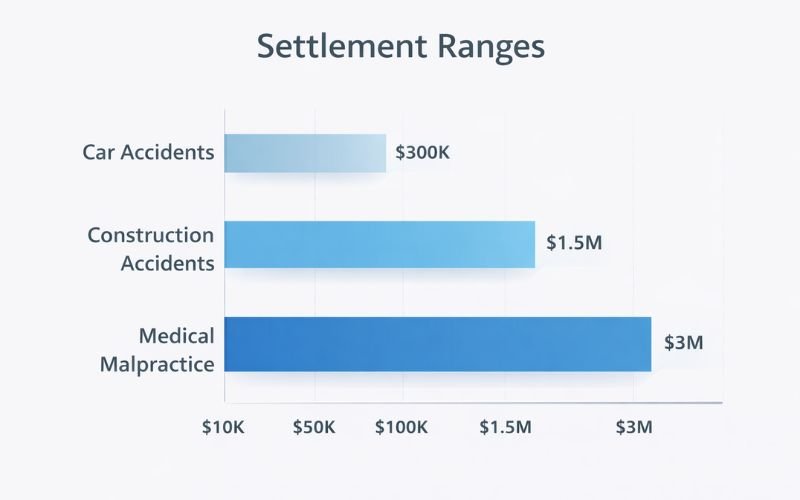
Settlement amounts in wrongful death cases vary widely depending on the specific circumstances of each case. However, general ranges can provide a useful benchmark.
Estimated Ranges for Wage-Earners
| Case Type | Average Settlement |
| Car accidents | $1 million – $5 million |
| Construction accidents | $2 million – $10 million |
| Medical malpractice | $3 million – $15 million+ |
Disclaimer: These ranges primarily reflect cases involving wage-earning individuals. For non-wage earners, such as retirees or children, settlements rely heavily on loss of services and pre-death pain and suffering, which may result in significantly lower amounts.
Factors Affecting Settlement Value
- Age of the deceased
- Income and earning potential
- Number of dependents
- Strength of evidence
- Degree of negligence
- Insurance coverage
Cases involving high-income individuals or clear liability often result in higher settlements.
Real Case Examples
Examining real case outcomes helps illustrate how wrongful death claims are valued and resolved.
- A construction worker killed in a workplace accident resulted in a $15 million settlement due to strong liability and significant financial loss to the family.
- A fatal car accident involving multiple dependents led to a $7 million settlement based on lost income and support.
- A truck accident case resulted in a $5 million settlement where negligence was clearly established.
- A workplace fall case involving safety violations resulted in a multi-million dollar recovery.
- A medical malpractice case involving delayed treatment led to a substantial settlement exceeding $10 million.
Each case is unique, and results depend heavily on the specific facts and available evidence.
How to File a Wrongful Death Claim in New York

Filing a wrongful death claim involves several critical steps. Understanding this process ensures families take timely and effective action while protecting their legal rights.
Step-by-Step Process
Preliminary Step: Obtain Legal Authorization
Obtain Letters of Administration from the Surrogate’s Court – Before filing a lawsuit, the personal representative must be legally authorized to act on behalf of the deceased’s estate. These documents, issued by Surrogate’s Court, empower the representative to bring a wrongful death claim.
Step 1: Appoint a Personal Representative
Appoint a personal representative through the Surrogate’s Court if not already designated. This individual will manage the estate and represent beneficiaries in the lawsuit.
Step 2: Conduct a Thorough Investigation
Investigate the incident in detail, including accident reports, witness statements, and potential responsible parties.
Step 3: Gather Evidence and Documentation
Collect all relevant documents, including medical records, financial records, and any proof of negligence. Strong documentation strengthens your case and supports your compensation claim.
Step 4: File the Wrongful Death Lawsuit
Submit the lawsuit within New York’s . Filing on time is essential to preserve your right to compensation.two-year statute of limitations
Step 5: Enter the Discovery Phase
Both sides exchange information, including evidence, witness lists, and expert reports. Discovery ensures transparency and helps assess the strength of each party’s case.
Step 6: Attempt Settlement Negotiations
Negotiate with insurance companies or opposing parties. Many cases are resolved through settlements to avoid lengthy trials.
Step 7: Proceed to Trial if Necessary
If negotiations fail, the case moves to trial, where a judge or jury determines liability and awards compensation.
Each step requires careful legal strategy and meticulous documentation to ensure the best possible outcome. Working with an experienced New York wrongful death lawyer significantly increases the likelihood of a favorable resolution.
Statute of Limitations for Wrongful Death in New York
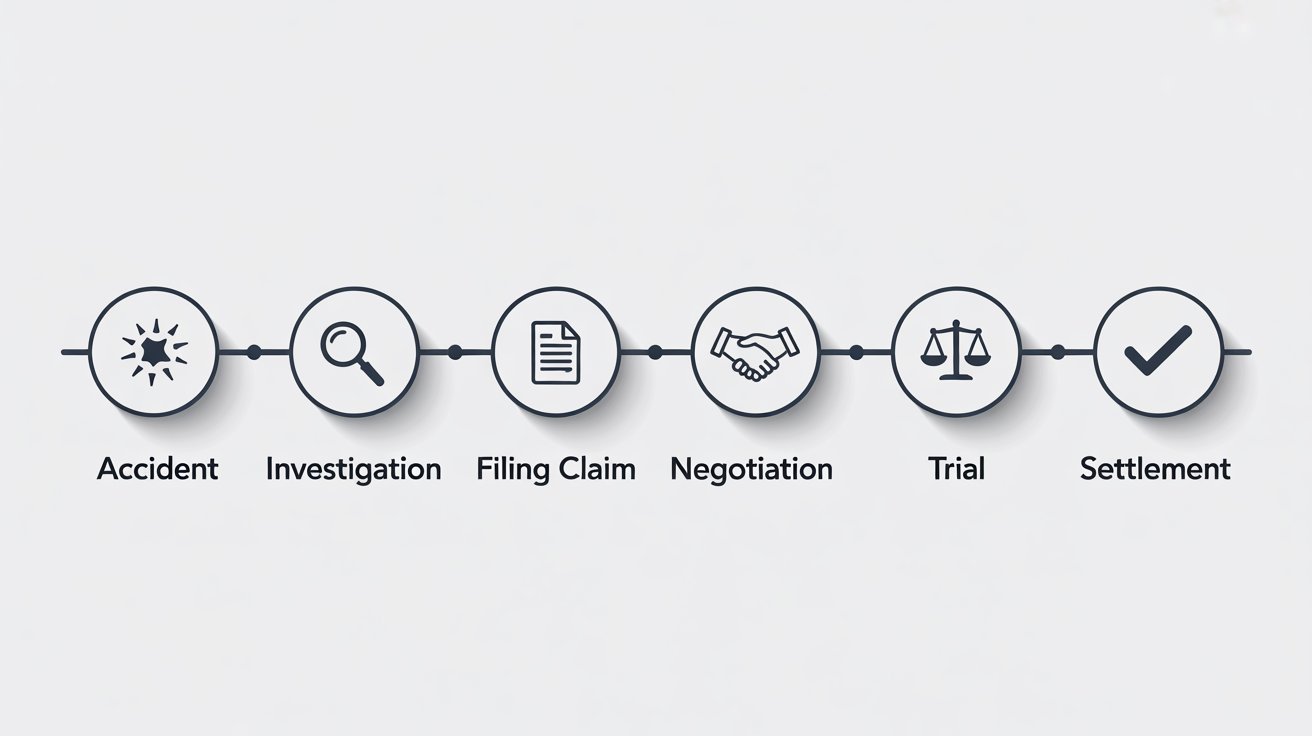
New York law imposes a strict deadline for filing wrongful death claims. In most cases, the lawsuit must be filed within two years from the date of death.
Failing to file within this period typically results in losing the right to pursue compensation. While there are limited exceptions, they are rare and depend on specific circumstances.
Acting quickly is essential to preserve evidence, protect legal rights, and build a strong case.
How a New York Wrongful Death Lawyer Helps
An experienced wrongful death lawyer plays a critical role in handling the legal, financial, and procedural aspects of the case.
Key Responsibilities
- Investigating the cause of death
- Identifying liable parties
- Collecting and preserving evidence
- Working with expert witnesses
- Negotiating with insurance companies
- Representing clients in court
Legal professionals also help families navigate complex legal requirements while focusing on maximizing compensation.
How to Choose the Best Wrongful Death Lawyer in New York

Selecting the right attorney can significantly impact the outcome of a wrongful death case.
Factors to Consider
- Experience with wrongful death cases
- Track record of settlements and verdicts
- Trial experience
- Client reviews and testimonials
- Resources and legal team strength
A qualified lawyer should have the ability to handle complex cases and pursue maximum compensation effectively.
Common Mistakes That Can Jeopardize Your Wrongful Death Claim
Avoiding critical errors is essential to protecting your case and maximizing compensation. Common mistakes include:
- Delaying legal action – Waiting too long can risk missing the statute of limitations.
- Failing to appoint the correct estate representative – Only the legally appointed personal representative can file a claim.
- Accepting early settlement offers – Quick settlements may undervalue your case.
- Not gathering sufficient evidence – Strong documentation is key to proving negligence.
- Attempting to handle the case without legal support – Self-representation can lead to costly mistakes.
- Posting details on social media – Sharing information about the accident, the deceased’s health, or grief online can be used by defense counsel to undermine your claim.
Taking the right steps early, including avoiding these pitfalls, can significantly improve your chances of a successful outcome and maximize potential compensation.
Frequently Asked Questions
Who can sue for wrongful death in New York?
Only the personal representative of the deceased’s estate can file the lawsuit. Compensation is then distributed to eligible beneficiaries such as spouses, children, and financial dependents.
How long does a wrongful death case take?
Cases can last from several months to multiple years depending on the complexity, evidence, and whether the case proceeds to trial.
What is the average settlement amount?
Settlement amounts vary widely but typically range from $1 million to over $10 million, depending on the case details, type of incident, and financial losses.
Do all wrongful death cases go to trial?
No. Many cases are resolved through settlements before reaching trial, although some complex cases may require court proceedings.
Do lawyers charge upfront fees?
Most wrongful death attorneys work on a contingency fee basis, meaning they only get paid if the case is successful.
Is a wrongful death claim different from a survival action?
Yes. In New York, a survival action addresses the pain and suffering the deceased experienced before death, while a wrongful death claim seeks compensation for the financial losses suffered by the family. Often, both claims are filed together to fully address the impact of the incident.
Conclusion
Wrongful death claims in New York involve complex legal rules, strict deadlines, and unique limitations on compensation. While the law does not allow recovery for emotional grief, it does provide a pathway for families to recover financial losses and secure their future.
Understanding how wrongful death laws work, what compensation is available, and how to navigate the legal process is essential for making informed decisions. With the right legal strategy and experienced representation, families can pursue justice and obtain the compensation they deserve.