

Roundup Lawsuit Settlement 2026: Eligibility & Compensation Guide
The Roundup Lawsuit Settlement 2026 remains one of the most significant mass tort developments in the United States. Thousands of individuals have alleged that exposure to Roundup, a glyphosate-based weedkiller originally developed by Monsanto and now owned by Bayer, contributed to the development of non-Hodgkin lymphoma.
After years of litigation, Bayer has proposed a major settlement intended to address both current and future claims. While the proposal could resolve a substantial portion of the ongoing litigation, it has also generated controversy among attorneys, plaintiffs, and legal observers.
For individuals diagnosed with non-Hodgkin lymphoma—or those concerned about their legal rights—the settlement raises important questions about eligibility, compensation, and future legal options.
This guide explains the current status of the proposed Roundup settlement, who may qualify, and what affected individuals should know as of June 2026.
Key Settlement Facts at a Glance
| Settlement Fact | Current Status |
| Proposed Settlement Amount | $7.25 billion |
| Defendant | Bayer (owner of Monsanto) |
| Injury at Issue | Non-Hodgkin lymphoma |
| Court Status | Preliminary approval granted by a Missouri state court judge |
| Covers Existing Claims? | Yes |
| Covers Future Claims? | Yes |
| Opt-Out Deadline | June 4, 2026 |
| Prior Roundup Settlements | Nearly 100,000 lawsuits settled |
| Amount Previously Paid | Approximately $11 billion |
| Active Cases Still Pending | Roughly 61,000 |
| Federal MDL Cases | More than 4,000 in California |
What Is the Roundup Lawsuit Settlement?
The proposed Roundup settlement is Bayer’s latest effort to resolve thousands of lawsuits alleging that Roundup exposure contributed to the development of non-Hodgkin lymphoma.
Roundup has been the subject of extensive litigation for years. Plaintiffs claim that exposure to the herbicide increased their risk of developing cancer, while Bayer has continued to defend the product in court.
To address ongoing claims, Bayer proposed a $7.25 billion settlement that was initially filed in Missouri state court. A judge granted preliminary approval, allowing the settlement process to move forward while objections and legal challenges continue.
One of the most notable aspects of the proposal is that it seeks to address not only existing claims but also certain future claims involving individuals who have not yet been diagnosed with non-Hodgkin lymphoma but may develop the disease later.
Because of its scope, the settlement could have a major impact on the future of Roundup litigation across the country.
Why the Roundup Litigation Matters
The Roundup litigation remains one of the largest ongoing product liability disputes in the United States.
As of June 2026, Bayer and Monsanto have already resolved nearly 100,000 lawsuits, paying approximately $11 billion in settlements.
Despite those resolutions, litigation continues on a large scale. Roughly 61,000 active lawsuits remain pending nationwide. Most of these cases are proceeding through state court systems, while more than 4,000 cases continue within the federal multidistrict litigation (MDL) in California.
The outcome of the current settlement proposal could affect thousands of current claimants and potentially shape how future claims are handled.
What Is Non-Hodgkin Lymphoma?
Non-Hodgkin lymphoma (NHL) is a type of cancer that begins in the body’s lymphatic system, which plays a key role in fighting infection and disease. The condition affects white blood cells known as lymphocytes and can develop in lymph nodes, bone marrow, the spleen, and other parts of the body.
The current Roundup cancer lawsuit 2026 centers on allegations that exposure to glyphosate-based weedkillers may increase the risk of developing non-Hodgkin lymphoma. Individuals diagnosed with NHL are the primary focus of the proposed settlement.
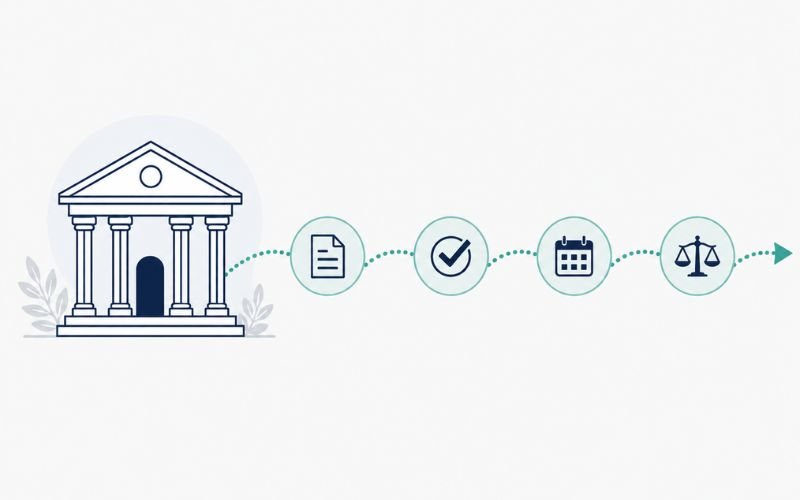
Who Is Eligible for the Settlement?
Eligibility depends on the specific requirements outlined in the settlement proposal and an individual’s circumstances.
In general, the settlement is intended to cover:
- Individuals diagnosed with non-Hodgkin lymphoma who allege Roundup exposure
- Existing claimants with pending lawsuits
- Certain future claimants who may develop non-Hodgkin lymphoma after exposure to Roundup
The inclusion of future claims is one of the most discussed aspects of the settlement. The proposal seeks to create a framework for addressing individuals who may not yet know they have a claim because they have not been diagnosed.
Because eligibility can be complex, individuals should carefully review settlement information and seek legal advice before making decisions that could affect their rights.
How Much Compensation Can You Get?
Many people searching for information about the Bayer Roundup lawsuit want to know how much compensation may be available.
The answer is that there is no single settlement amount that applies to every claimant.
Compensation in mass tort cases often depends on factors such as:
- Severity of the illness
- Medical history
- Supporting evidence
- Settlement criteria
- Attorney fees and litigation costs
Some critics of the current proposal argue that compensation levels may be inadequate for certain claimants. Opponents have highlighted situations where some individuals could receive amounts as low as $10,000 before attorney fees and costs, raising concerns about whether compensation properly reflects the seriousness of the illness involved.
At the same time, settlement administrators generally evaluate claims using established criteria rather than offering identical payments to all participants.
Important Compensation Disclaimer
No discussion of potential compensation should be interpreted as a guarantee of recovery. Every case is unique, and actual settlement amounts may vary significantly depending on the specific facts of a claim.
How to File a Roundup Lawsuit Claim

If you believe you developed non-Hodgkin lymphoma after exposure to Roundup, understanding the claims process is an important first step.
While every case is different, individuals typically begin by:
- Collecting medical records related to their diagnosis.
- Documenting their history of Roundup use or exposure.
- Determining whether they may be covered by the proposed settlement.
- Consulting an attorney experienced in Roundup litigation.
It is also important not to delay seeking legal guidance. Lawsuits are subject to filing deadlines that can vary depending on the facts of a case and applicable law. Waiting too long could affect your ability to pursue compensation.
An attorney can review your circumstances, explain your legal options, and help determine whether participation in a settlement or pursuing an individual lawsuit may be appropriate.
Opt-In vs. Opt-Out: What Should You Do?
The settlement gave covered individuals an important decision to make.
Class members had until June 4, 2026, to decide whether to remain in the settlement or opt out and pursue their own legal claims.
Reasons to Remain in the Settlement
Some claimants may prefer the settlement because:
- It can provide a more predictable outcome
- It may reduce litigation uncertainty
- It can avoid lengthy court proceedings
- It may allow claims to be resolved more efficiently
Reasons to Opt Out
Others may choose to pursue an individual lawsuit because:
- They believe their claim may have greater value
- They disagree with the settlement terms
- They want more control over their case
- They prefer to pursue compensation independently
There is no universal answer that applies to everyone. The best choice depends on the unique facts of each claim.
Because opting out can significantly affect legal rights, consulting an attorney before making such a decision is strongly recommended.
Current Status & Timeline
As of June 2026, the proposed Monsanto lawsuit settlement remains under legal review and continues to face challenges.
Settlement Proposal Filed
Bayer proposed a $7.25 billion settlement aimed at resolving current and future non-Hodgkin lymphoma claims.
Preliminary Approval Granted
A Missouri state court judge granted preliminary approval, allowing the settlement process to move forward.
June 4, 2026 Opt-Out Deadline
Class members were required to decide whether to remain in the settlement or pursue individual litigation.
Ongoing Legal Challenges
Several opponents continue to challenge aspects of the settlement, including compensation levels and treatment of future claims.
Continued Litigation
Approximately 61,000 lawsuits remain active nationwide, including more than 4,000 cases in the California federal MDL.
Why Some Groups Are Opposing the Settlement
Not everyone supports the proposed settlement.
Some attorneys and advocacy groups argue that compensation may be insufficient for certain individuals diagnosed with serious illnesses.
Critics have also expressed concerns regarding the settlement’s treatment of future claimants and whether people who have not yet been diagnosed are receiving adequate protection.
As part of their opposition strategy, some groups are seeking to move aspects of the dispute into federal court.
The outcome of these challenges could affect whether the settlement proceeds in its current form or undergoes changes before final approval.
What Happens Next?
Several major developments could shape the future of the Roundup litigation.
Continued Court Review
The settlement proposal remains subject to additional judicial review and legal challenges.
Federal Court Proceedings
Efforts to move portions of the dispute into federal court continue.
U.S. Supreme Court Appeal
Bayer is also pursuing a U.S. Supreme Court appeal that could significantly impact the broader legal landscape surrounding Roundup claims.
If the Court ultimately addresses key legal questions raised by Bayer, future lawsuits and settlement negotiations could be affected.
Thousands of Cases Remain Pending
Even after approximately $11 billion in previous settlements, tens of thousands of claims remain unresolved, ensuring that Roundup litigation will likely continue for the foreseeable future.
Frequently Asked Questions
What is the Roundup Lawsuit Settlement 2026?
It is a proposed $7.25 billion settlement intended to resolve current and future claims involving allegations that Roundup exposure caused non-Hodgkin lymphoma.
Who qualifies for the Roundup settlement?
The proposal is intended to cover certain individuals diagnosed with non-Hodgkin lymphoma, existing claimants, and some future claimants who may later develop the condition.
What was the opt-out deadline?
Class members had until June 4, 2026, to decide whether to remain in the settlement or pursue individual litigation.
How many Roundup lawsuits have already been settled?
Bayer and Monsanto have settled nearly 100,000 lawsuits and paid approximately $11 billion in settlements.
How many Roundup lawsuits are still pending?
As of June 2026, roughly 61,000 active Roundup lawsuits remain pending nationwide.
Can I still file a Roundup lawsuit after the settlement?
Possibly. Whether you can pursue a claim depends on your circumstances, whether you were covered by the settlement, and any actions you took regarding participation. Consulting an attorney is the best way to understand your options.
Could the U.S. Supreme Court affect Roundup litigation?
Yes. Bayer is pursuing a Supreme Court appeal that could influence future Roundup lawsuits and settlement negotiations.
Conclusion
The Roundup Lawsuit Settlement 2026 represents a major development in the ongoing litigation involving Bayer, Monsanto, and allegations linking Roundup exposure to non-Hodgkin lymphoma. While the proposed $7.25 billion settlement could resolve many current and future claims, significant legal challenges remain.
With approximately 61,000 active cases still pending, ongoing opposition to the settlement, and a potential U.S. Supreme Court appeal on the horizon, the legal landscape continues to evolve.
Anyone who believes they may have a claim related to Roundup exposure should carefully evaluate their legal options and seek guidance from an experienced attorney. Understanding your rights today can help you make informed decisions about your future.
Disclaimer: This article is for informational purposes only and should not be considered legal advice. Every legal claim is different. If you have questions about your specific situation, consult a qualified attorney who can evaluate your case and explain your legal options.