
Understanding FBI Background Check Apostilles: When and Why They Are Required
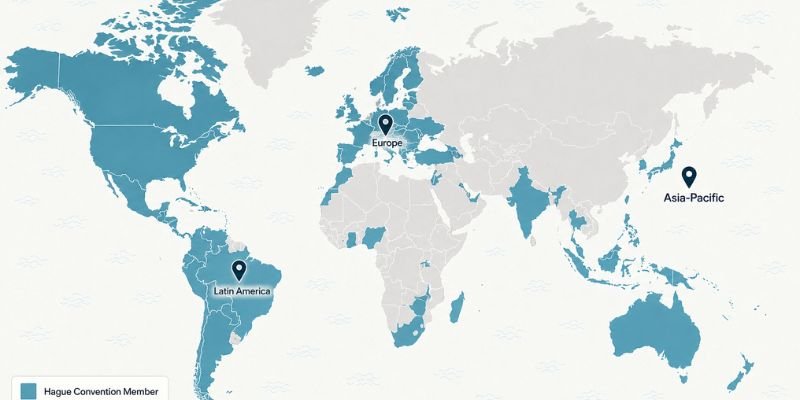
Applying for a foreign visa, relocating abroad, or pursuing long-term residency in another country involves a lot of paperwork. Many people are asked to provide an apostille-certified FBI background check, even though they don’t fully understand what it entails. Governments across Latin America, Europe, and the Asia-Pacific region need it as part of long-term residency or visa applications. However, many US applicants realize this only after they are already mid-process.
Getting it right means dealing with two different federal agencies, one after the other. It also involves meeting country-specific deadlines and avoiding errors that can add weeks to the process. If delays are not an option, most applicants choose to work with a professional apostille service to keep the process on track.
What Is an FBI Background Check and Apostille?
An FBI background check is officially the Identity History Summary Check, which summarizes a person’s US legal records, if any exist. They are mainly required for:
- Immigration, visa, and residency or citizenship applications
- Employment, licensing, or university admissions abroad
- International adoptions and marriage registration overseas
An apostille is an authentication certificate used in countries that are members of the Hague Apostille Convention of 1961. The Hague Conference on Private International Law confirms that 129 countries are now Contracting Parties to the Convention. They confirm:
- The authenticity of the signature
- The authority of the signer
- The validity of the seal or stamp
Once certified, the document gets accepted across all Hague Convention member countries without further legalization. The process can be intimidating for first-time applicants, so they often seek professional FBI background check apostille services for guidance.
Why International Governments Request This Document
International governments and institutions need assurance that the FBI background check document presented to them is authentic. These agencies are unable to verify U.S. official documents directly. An apostille is required to attest to their authenticity. Typically, an apostille serves numerous purposes:
Confirms Document Authenticity
The apostille verifies that the FBI official who signed the document was authorized to do so, and the document is legitimate. The legal requirements of the receiving country remain unchanged under this authentication process.
Simplifies International Acceptance
Most international authorities might reject the document or request additional certifications without an apostille. This helps streamline the process and ensure broader acceptance.
Meets Legal Requirements Abroad
Several countries have strict document authentication requirements for employment, immigration, and residency applications. For instance, applicants who are seeking the FBI apostille for the Portugal D7 Visa cannot finalize their residency application without it. Without this authentication, your background check document can get delayed or even rejected.
Under Article 12, a member state can object to another state joining the convention. This means the treaty is deemed ineffective between those two nations, irrespective of both being members. This is why confirming acceptance with the destination authority is most important.
When Is an FBI Background Check Apostille Required?
Not all international moves will need an FBI background check apostille. Knowing when specific situations trigger the requirement helps applicants plan better to avoid last-minute delays.
Long-Term Visa and Residency Applications
Short tourist stays will rarely need background documentation. However, longer stays change the equation completely. Several countries will request this document when a stay exceeds six months or when applying for permanent residency.
Receiving countries will expect proof at this stage:
- Visas valid for six months or more
- Permanent residency or settlement applications
- Long-term family reunification permits
For example, people applying for residency or work authorization in New Mexico might be asked to submit an FBI background check apostille. As a member of the Hague Convention, applicants will need an Apostille in New Mexico issued by the U.S. Department of State without needing further consular legalization.
Employment and Work Permit Applications Abroad
Background screening is often a compulsory hiring procedure in certain industries. Government-sponsored work permits carry the same expectation for both senior and licensed roles. Understanding this will help individuals avoid common mistakes when applying for an FBI background check apostille.
Both immigration and employer offices focus on:
- Education, healthcare, and childcare positions
- Financial services and regulated industries
- Senior-level or professionally licensed roles
Government-sponsored work permits require the same level of compliance for senior and licensed roles.
Business Formation and Investment Visas
Countries seeking foreign investment will run background checks before allowing people or registering a business. This involves both corporate law and immigration rules since the investor applies as an individual while the company they’re forming has its own separate paperwork.
Business registration offices and Investor Visa Programs commonly request authenticated background documentation from applicants.
This screening typically applies to:
- Investor and entrepreneur visa applicants
- Foreign nationals registering a business entity
- Company founders and directors under review
Foreign investment programs continue to treat background verification as a standard gatekeeping measure.
Adoption Proceedings
For international adoptions, background screening is a compulsory part of the approval process. Both prospective parents will need an FBI report apostille to satisfy home study and Hague Convention compliance standards.
Adoption agencies and foreign authorities generally require:
- Reports from both prospective adoptive parents
- Documentation tied to home study compliance
- Verification under Hague Convention adoption rules
The requirement is intended to protect children through strict, officially verified background screening.
Marriage Registration in a Foreign Country
Civil registries often include a background check as part of marriage documentation. Foreign nationals registering a union will find this requirement only after they reach the local registrar’s office.
The rule shows up most consistently in:
- Several Latin American countries
- Parts of Southeast Asia
- Civil registries across Eastern Europe
Registration authorities use this screening as a routine part of the Union documentation process.
Conclusion
International travel and relocation continue to grow, and as document authentication rules evolve, more countries are joining the Hague Apostille Convention and adopting enhanced digital verification systems. Knowing how an apostille differs from embassy legalization, along with country rules and timing limits, is key for international relocation.
Therefore, treating this paperwork as an initial planning step rather than an afterthought can help prevent a rejected document that could derail a visa interview, job start, or wedding abroad.