Credit One Bank Class Action Settlement: Complete 2026 Consumer Guide
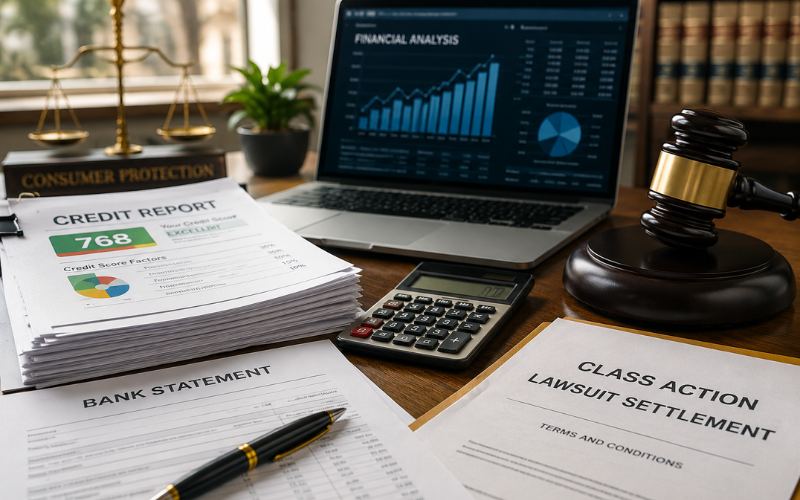
The Credit One Bank class action settlement involves allegations related to credit reporting, account servicing, debt collection practices, and consumer financial disputes. Eligible consumers may qualify for compensation depending on court-approved settlement terms, filing deadlines, and account history.
For many Americans, even a small credit reporting error can create serious financial consequences. Incorrect late payments, inaccurate balances, or unresolved disputes may lower credit scores and affect mortgage approvals, auto loans, apartment applications, and even employment screenings.
That is why growing attention around the credit one bank lawsuit settlement has sparked questions from consumers nationwide. People want to know:
- Is the settlement legitimate?
- Who qualifies for compensation?
- How much money could consumers receive?
- What are the deadlines?
- How does the claim process work?
This guide explains everything in plain English while helping consumers understand their rights under federal consumer protection laws, including the Fair Credit Reporting Act (FCRA).
Key Takeaways
- The Credit One Bank class action settlement involves allegations related to credit reporting practices, account servicing, and consumer financial disputes.
- Settlement payouts vary based on the number of approved claims, court-approved terms, and documented consumer damages.
- Eligible consumers may receive compensation, account corrections, debt relief, or other settlement benefits.
- Consumers should verify all settlement information through official court-approved settlement administrators to avoid scams.
- Incorrect credit reporting can negatively affect loan approvals, insurance rates, and credit scores.
- Federal laws such as the Fair Credit Reporting Act protect consumers from inaccurate credit reporting practices.
- Missing claim deadlines may result in losing eligibility for compensation.
Latest Credit One Bank Settlement Update (2026)
As of 2026, consumers should monitor official settlement announcements for updates involving:
- Claim filing deadlines
- Court approval stages
- Payment timelines
- Settlement administrator notices
- Appeal developments
- Eligibility verification procedures
Settlement timelines can change during litigation. Consumers should rely only on official court documents and verified settlement administrator resources for the latest information.
What Is the Credit One Bank Class Action Settlement?
The Credit One Bank class action settlement refers to lawsuits alleging that certain consumer financial or credit reporting practices may have violated federal or state laws. Eligible consumers may receive compensation, credit corrections, or other benefits if a settlement receives final court approval.
A class action lawsuit allows a group of consumers with similar complaints to pursue legal action together instead of filing individual lawsuits separately.
These cases often involve allegations related to:
- Inaccurate credit reporting
- Failure to investigate disputes
- Debt collection practices
- Improper account servicing
- Billing disputes
- Consumer communication issues
Importantly, settlements do not always mean a company admitted wrongdoing. Many financial institutions settle lawsuits to avoid prolonged litigation expenses and legal uncertainty.
Why Was Credit One Bank Sued?
The credit one bank lawsuit involves allegations connected to consumer financial practices and credit reporting disputes.
Consumers in similar lawsuits often claim that financial institutions failed to properly handle account reporting or consumer disputes.
Examples of Alleged Consumer Harm
- Incorrect late payment reporting
- Failure to update paid balances
- Delayed responses to disputes
- Collection account inaccuracies
- Reporting outdated account information
- Failure to correct verified errors
Even small reporting mistakes can create long-term financial damage.
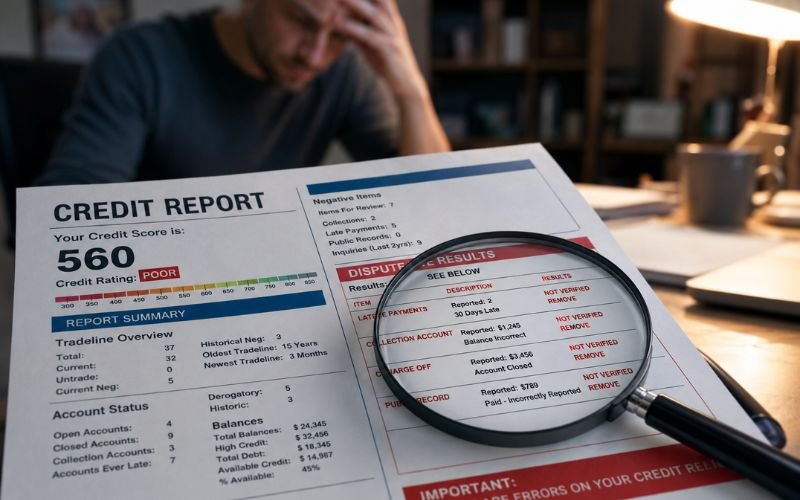
For example, a single inaccurate delinquency may:
- Lower a consumer’s credit score
- Increase interest rates
- Delay mortgage approvals
- Affect apartment applications
- Trigger loan denials
That is why federal regulators closely monitor financial institutions and credit reporting practices.
Timeline of the Lawsuit
| Stage | Explanation |
| Complaint Phase | Consumers report account or credit issues |
| Investigation Phase | Attorneys review complaints and evidence |
| Lawsuit Filing | A class action lawsuit is filed |
| Settlement Negotiation | Parties discuss settlement terms |
| Preliminary Approval | Court reviews proposed settlement |
| Final Approval | Judge approves final settlement |
| Claim Processing | Claims are reviewed and validated |
| Payment Distribution | Eligible consumers receive compensation |
Class action lawsuits often take months or years before payments are distributed.
What Laws Were Allegedly Violated?
Several federal and state consumer protection laws commonly appear in banking and credit reporting lawsuits.
Fair Credit Reporting Act (FCRA)
The Fair Credit Reporting Act (FCRA) is a federal law that protects consumers from inaccurate credit reporting and requires companies to investigate disputes within a reasonable timeframe.
The FCRA helps ensure that information reported to credit bureaus is accurate, fair, and properly updated.
Common FCRA Allegations
- Reporting inaccurate balances
- Failing to update account status
- Ignoring dispute requests
- Continuing inaccurate reporting after notice
- Delayed correction of verified errors
The Federal Trade Commission and the Consumer Financial Protection Bureau both oversee consumer financial protections connected to credit reporting practices.
Fair Debt Collection Practices Act (FDCPA)
Some cases may also involve allegations related to debt collection communications or collection reporting practices.
State Consumer Protection Laws
Many states also enforce laws prohibiting unfair or deceptive financial practices.
How Class Action Settlements Work
A class action settlement combines many similar consumer complaints into one legal case.
Typical Settlement Process
- Consumers report financial or credit issues
- Attorneys investigate the complaints
- A lawsuit is filed
- The court certifies the class action
- Settlement negotiations begin
- The court reviews settlement fairness
- Consumers submit claims
- Payments are distributed to approved claimants
Why Companies Agree to Settlements
Financial institutions may settle lawsuits to:
- Avoid expensive litigation
- Reduce legal uncertainty
- Resolve disputes faster
- Limit reputational harm
Who Qualifies for Compensation?
Eligibility depends entirely on the official class definition approved by the court.
Consumers May Qualify If They:
- Held an eligible Credit One Bank account during the covered period
- Experienced alleged credit reporting issues
- Received an official settlement notice
- Meet the court-approved class definition
- Submitted disputes related to account reporting
Not all account holders automatically qualify for compensation.
How to Check Eligibility
1. Review Settlement Notices
Consumers may receive:
- Mailed notices
- Email notifications
- Claim instructions
- Settlement identification numbers
2. Review Account Records
Helpful documents may include:
- Credit reports
- Billing statements
- Dispute correspondence
- Collection notices
3. Check Official Settlement Websites
Use only court-approved settlement websites.
4. Contact the Settlement Administrator
Settlement administrators can explain:
- eligibility requirements
- deadlines
- filing instructions
- documentation rules
How to File a Claim Step-by-Step
Step 1: Visit the Official Settlement Website
Use only court-approved or administrator-approved websites to avoid scams.
Step 2: Confirm Eligibility
Review settlement criteria and account eligibility requirements.
Step 3: Complete the Claim Form
Enter accurate personal and account information.
Step 4: Upload Supporting Documents
Submit notices, statements, or dispute records if required.
Step 5: Submit Before the Deadline
Late submissions may be automatically rejected.
Step 6: Save Confirmation Records
Keep copies of:
- confirmation emails
- claim numbers
- screenshots
- uploaded documents
Important Deadlines and Payment Dates
Settlement deadlines are extremely important.
Missing a deadline may result in losing eligibility for compensation.
Common Settlement Deadlines
| Deadline Type | Purpose |
| Claim Filing Deadline | Final date to submit claims |
| Opt-Out Deadline | Leave the settlement |
| Objection Deadline | Challenge settlement terms |
| Final Approval Hearing | Court reviews final approval |
| Payment Distribution Date | Approved payments are sent |
Settlement Payment Date Expectations
Payment timing depends on:
- Court approval
- Appeals
- Claim volume
- Administrative processing
Some class action settlements take several months after final approval before payments are issued.
Expected Settlement Amounts
Most class action settlement payments vary widely and cannot be guaranteed until the final number of approved claims is confirmed.
Consumers frequently ask how much compensation they may receive.
The answer depends on several factors.
Factors That Affect Payouts
- Total settlement fund
- Number of approved claims
- Attorney fees
- Administrative costs
- Documented damages
- Settlement structure
Possible Compensation Types
- Cash payments
- Debt relief
- Account corrections
- Credit monitoring services
- Fee reimbursements
Consumers should avoid websites promising guaranteed settlement amounts.
Settlement Comparison Table
| Category | Details |
| Possible Benefits | Cash payments, debt relief, account corrections |
| Eligibility | Depends on official class definition |
| Filing Method | Online or mailed claim form |
| Required Documents | Notices, statements, dispute records |
| Payment Timing | After final court approval |
| Common Risks | Missing deadlines or incomplete claims |
| Consumer Action Needed | Submit valid claim before deadline |
Credit Score Impact Explained
Incorrect credit reporting can lower credit scores and affect loan approvals, mortgage rates, insurance premiums, and employment screenings.
Credit reporting errors can create long-term financial problems for consumers.
Potential Consequences of Reporting Errors
- Higher interest rates
- Reduced credit limits
- Loan denials
- Housing application problems
- Employment screening issues
Even one inaccurate collection account may remain on a report for years if not disputed properly.
Consumer Rights Under FCRA
The Fair Credit Reporting Act gives consumers important legal protections.
Consumers Have the Right To:
- Access their credit reports
- Dispute inaccurate information
- Request investigations
- Receive corrected reports
- Know when adverse actions occur
Important Consumer Tip
Always keep records of:
- dispute letters
- emails
- account statements
- certified mail receipts
- bureau responses
Documentation can become extremely important if legal disputes arise later.
Common Mistakes to Avoid While Filing
Missing the Filing Deadline
Late claims are commonly rejected.
Using Fake Settlement Websites
Scammers frequently target consumers searching for settlements online.
Warning Signs Include:
- Requests for upfront payments
- Threatening messages
- Unofficial website domains
- Requests for sensitive financial passwords
Submitting Incomplete Information
Missing documents may delay processing.
Ignoring Settlement Emails
Important updates may arrive electronically.
What Happens After Approval?
After final court approval:
- Claims are reviewed
- Invalid submissions may be rejected
- Appeals may delay payments
- Approved claims are processed
- Compensation is distributed
Payments may arrive through:
- mailed checks
- direct deposit
- digital payment systems
Myth vs Fact
| Myth | Fact |
| Everyone automatically receives payment | Many settlements require valid claims |
| Settlements always mean wrongdoing was admitted | Companies often deny liability |
| Credit reporting errors are harmless | Errors may affect loans and employment |
| Settlement websites are always legitimate | Scam websites frequently appear online |
| All consumers receive identical payouts | Payment amounts often vary |
Real Financial Lessons Consumers Should Learn
The credit one bank settlement claim process highlights broader lessons about financial awareness and consumer protection.
Monitor Credit Reports Regularly
Many consumers discover errors only after being denied credit.
Save Financial Records
Keep copies of:
- monthly statements
- dispute letters
- payment confirmations
- settlement notices
Respond Quickly to Errors
Delayed disputes may become harder to resolve later.
Understand Consumer Protection Laws
Federal laws exist to protect consumers from inaccurate credit reporting and unfair financial practices.
How to Monitor Your Credit Report
Review Credit Reports Frequently
Check for:
- incorrect balances
- unknown accounts
- inaccurate late payments
- outdated collections
Dispute Errors Immediately
Provide:
- written explanations
- supporting documents
- copies of account records
Consider Fraud Alerts
Consumers affected by identity theft may benefit from additional monitoring protections.
Related Banking Lawsuits in 2026
Consumers continue filing lawsuits involving:
- inaccurate credit reporting
- overdraft fee disputes
- debt collection practices
- unauthorized account charges
- identity theft handling
- billing disputes
Regulators continue increasing oversight of financial institutions and consumer credit practices.
Expert Insights on Consumer Protection
Consumer finance attorneys often emphasize that even small credit reporting mistakes can create serious long-term consequences.
An inaccurate collection account or late payment may affect:
- mortgage approvals
- vehicle financing
- insurance costs
- apartment applications
- employment opportunities
The Consumer Financial Protection Bureau encourages consumers to regularly review credit reports and dispute inaccuracies quickly.
Why Documentation Matters
Consumers with organized financial records often have stronger dispute cases.
Helpful documentation includes:
- account statements
- dispute letters
- payment records
- credit reports
- email confirmations
Official Resources and Consumer Protection Agencies
Consumers should verify settlement information only through official court-approved administrators and trusted government resources.
Helpful Resources
Frequently Asked Questions
What is the Credit One Bank class action settlement?
The Credit One Bank class action settlement refers to lawsuits involving alleged consumer financial or credit reporting violations that may qualify eligible consumers for compensation or account-related relief.
Who qualifies for the Credit One Bank settlement?
Consumers qualify for the Credit One Bank settlement only if they meet the official class definition approved by the court, including eligibility dates and account-related requirements.
How do I file a Credit One Bank settlement claim?
Consumers can file a Credit One Bank settlement claim by submitting an official claim form through the court-approved settlement administrator website before the filing deadline.
How much money will consumers receive?
Settlement payment amounts vary based on approved claims, court-approved terms, documented damages, and the total settlement fund available.
Will the settlement affect my credit score?
The settlement itself may not directly affect credit scores, but corrected reporting errors could potentially improve a consumer’s credit profile over time.
What is an FCRA settlement?
An FCRA settlement involves alleged violations of the Fair Credit Reporting Act, which protects consumers from inaccurate credit reporting practices.
Can incorrect credit reporting hurt loan approvals?
Incorrect credit reporting may lower credit scores and negatively affect mortgage approvals, vehicle financing, and other lending decisions.
How long do settlement payments take?
Class action settlement payments often take several months after final court approval because claims must be reviewed and processed.
Are settlement websites safe?
Consumers should use only official court-approved settlement websites because scammers frequently create fake settlement pages.
What happens if my claim is denied?
Consumers whose claims are denied may receive notice explaining the reason for rejection and whether additional documentation can be submitted.
Conclusion
The credit one bank class action settlement reflects growing concern about consumer financial protections, credit reporting accuracy, and fair banking practices.
For consumers, understanding the settlement process is essential. Missing deadlines, ignoring notices, or failing to dispute inaccurate reporting can create long-term financial harm.
More importantly, this case highlights a broader financial lesson: consumers should actively monitor their credit reports, understand their legal rights, and maintain organized financial records.
Whether you are researching settlement eligibility, filing a claim, or learning about consumer protection laws, staying informed is one of the best ways to protect your financial future.
Disclaimer
This article is for informational purposes only and does not constitute legal advice. Settlement terms, deadlines, eligibility requirements, and payment details may change depending on court proceedings and official administrator updates. Consumers should verify all information through licensed attorneys, official court records, or authorized settlement administrators.