Anthony Mark Haskins Lawsuit Against QVC (2026): Everything You Need to Know
If you’ve recently searched for the Anthony Mark Haskins lawsuit against QVC, you’re probably wondering what the case is about, whether it affects QVC customers, and if any compensation or settlement may become available.
The lawsuit has attracted attention because it involves allegations that QVC, one of America’s largest television and online retailers, used misleading representations in connection with products sold through its platform. While the litigation is still developing, many consumers are looking for reliable information about the allegations, the current status of the case, and what it could mean for shoppers.
This guide explains everything currently known about the lawsuit, including the parties involved, the alleged legal violations, how class action lawsuits generally work, what consumers should watch for, and the latest developments.
Quick Case Facts
| Item | Details |
| Plaintiff | Anthony Mark Haskins |
| Defendant | QVC, Inc. |
| Parent Company | Qurate Retail Group |
| Case Type | Consumer fraud / civil lawsuit |
| Industry | Television & Online Retail |
| Status | Ongoing litigation |
| Settlement | No confirmed settlement announced |
| Claim Deadline | None announced |
What Is the Anthony Mark Haskins Lawsuit?
The Anthony Mark Haskins lawsuit is a consumer lawsuit filed against QVC, alleging that the company engaged in deceptive business practices involving products marketed and sold through its television broadcasts and online marketplace.
According to the allegations discussed in the lawsuit, consumers may have relied on representations made during product presentations when deciding whether to purchase certain items. The case seeks to determine whether those representations violated applicable consumer protection laws.
Like many consumer lawsuits, the purpose of the litigation is not criminal punishment. Instead, the lawsuit seeks civil remedies that could include monetary damages, consumer refunds, or changes to future business practices if the plaintiff ultimately succeeds.
Why Is This Case Receiving Attention?
QVC is one of the largest home shopping retailers in the United States, serving millions of customers through television programming, mobile applications, and its online marketplace.
Because of the company’s size, even a lawsuit involving a limited number of products can receive widespread public attention. Consumer protection cases involving nationally recognized retailers are often closely watched because they may influence future advertising and marketing practices across the retail industry.
For consumers, the lawsuit raises broader questions about advertising accuracy, product descriptions, pricing practices, and the legal responsibilities of retailers when promoting products.
Who Is Anthony Mark Haskins?
Anthony Mark Haskins is the individual identified as the plaintiff in the lawsuit.
In civil litigation, the plaintiff is the person who initiates legal proceedings by alleging that they suffered harm as a result of another party’s conduct.
If the lawsuit proceeds as a class action, the named plaintiff may also serve as the proposed representative for other consumers who experienced similar circumstances. Whether that ultimately occurs depends on future court decisions regarding class certification.
Being the named plaintiff does not automatically mean that an individual receives a substantially larger recovery than other eligible class members. Instead, the plaintiff’s primary role is to present the claims before the court and represent the interests of similarly situated consumers if a class is certified.
Who Is QVC?
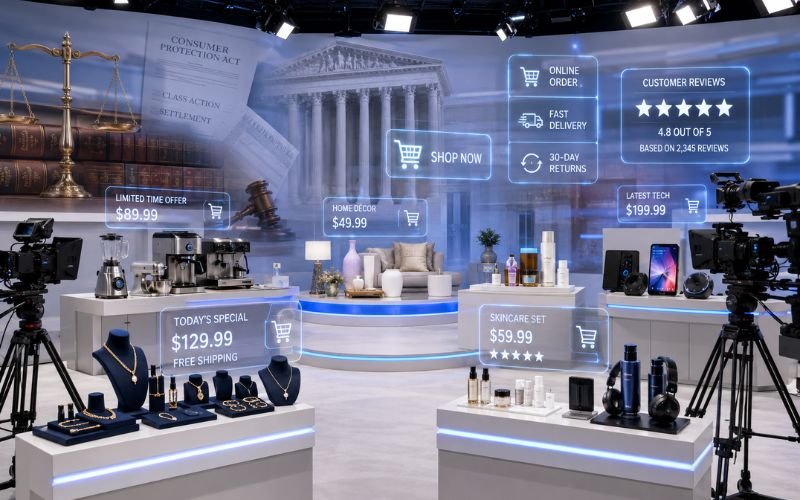
QVC is a well-known American retail company specializing in televised shopping programs and e-commerce.
Customers purchase products across numerous categories, including:
- Home goods
- Kitchen appliances
- Jewelry
- Beauty products
- Electronics
- Fashion
- Health and wellness products
Over several decades, QVC has become one of the largest televised retail networks in the United States and operates under its parent company, Qurate Retail Group.
Because its business model relies heavily on live product demonstrations and promotional presentations, advertising accuracy is an important legal consideration.
What Are the Main Allegations?
Although every lawsuit depends on its specific facts and evidence, the allegations generally involve claims that consumers may have been misled regarding certain products sold through QVC.
The lawsuit focuses on whether representations made during marketing or product descriptions accurately reflected the products being offered.
Examples of issues commonly raised in consumer protection litigation include:
- Misleading product descriptions
- False or exaggerated advertising claims
- Misrepresentation of product quality
- Pricing representations
- Failure to disclose important information
- Statements that may influence purchasing decisions
It is important to remember that allegations made in a lawsuit are claims that must ultimately be evaluated by the court. Filing a lawsuit does not establish that the allegations are true.
Understanding the Legal Issues
Consumer protection laws are designed to help ensure that businesses market products honestly and fairly.
When companies advertise products, consumers generally expect that statements regarding features, quality, pricing, or performance accurately reflect reality.
If consumers believe they purchased products after relying on inaccurate or misleading information, they may seek legal remedies through individual lawsuits or class actions.
Courts reviewing these cases typically examine:
- What representations were made
- Whether those statements were misleading
- Whether consumers relied on those statements
- Whether consumers suffered measurable losses
The answers to these questions often determine whether a consumer protection claim succeeds.
Could This Become a Class Action?
Many readers searching for this case also want to know whether it could become a class action lawsuit.
A class action allows one or more individuals to pursue claims on behalf of a larger group of consumers who experienced similar issues.
If a court certifies a class, eligible consumers may be able to participate without filing separate lawsuits.
However, class certification is a separate legal process. The court must determine that the legal and factual issues shared by the proposed class justify resolving the claims together.
Until that process is completed, it is not certain whether the lawsuit will proceed as an individual case or as a certified class action.
Who May Be Affected by the Lawsuit?
One of the most common questions surrounding the Anthony Mark Haskins lawsuit is whether ordinary QVC customers could eventually be affected.
The answer depends entirely on how the litigation develops. If the lawsuit remains an individual claim, any outcome would generally apply only to the parties involved. However, if the court certifies the case as a class action, other consumers who meet the court-approved eligibility requirements may have an opportunity to participate.
Although no official class definition has been announced, courts in consumer protection cases often evaluate factors such as:
- The time period during which purchases were made.
- The specific products involved in the allegations.
- Whether consumers relied on the company’s advertising or product descriptions.
- Whether they experienced measurable financial harm.
Until the court issues additional rulings, consumers should avoid assuming that every QVC purchase is automatically covered by the lawsuit.
Could Consumers Receive Compensation?
At this stage, no compensation program has been announced.
If the lawsuit eventually results in a settlement or favorable judgment for the plaintiff, the court may approve various forms of relief depending on the facts established during the case.
Possible outcomes in consumer litigation may include:
- Refunds for qualifying purchases
- Reimbursement of financial losses
- Store credits
- Product replacements
- Changes to advertising practices
- Other court-approved consumer remedies
The actual outcome will depend on future court proceedings or any negotiated settlement between the parties.
Is There a Settlement?
As of now, no official settlement has been announced.
Many lawsuits receive media attention long before settlement discussions begin. In some cases, litigation continues for months or even years before the parties reach an agreement.
If a settlement is eventually proposed, it must generally receive court approval before consumers become eligible to submit claims.
Until then, reports suggesting confirmed payout amounts or claim deadlines should be treated with caution unless they originate from official court notices or authorized settlement administrators.
What Should QVC Customers Do Right Now?
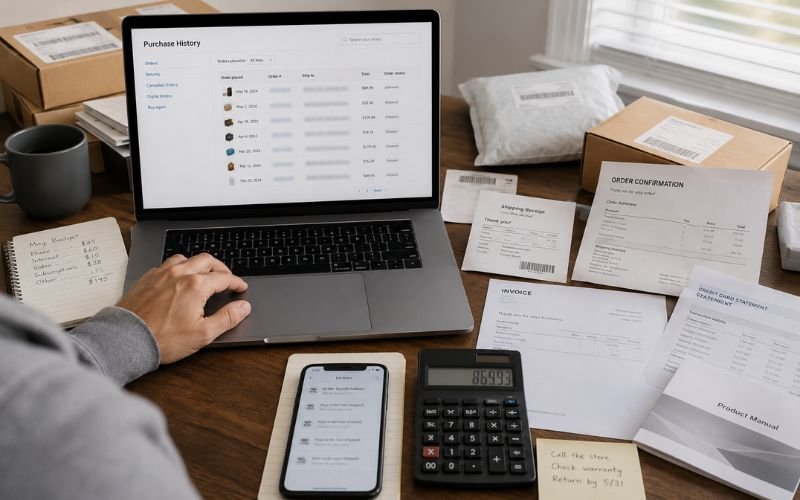
Even though there is currently no claims process, consumers who believe they purchased products related to the allegations can take several practical steps to protect their interests.
1. Keep Purchase Records
Save copies of:
- Order confirmations
- Email receipts
- Shipping notifications
- Payment records
- Return confirmations
Having documentation may become important if the case later establishes eligibility requirements.
2. Review Your Purchase History
Log in to your QVC account and review previous orders.
Make note of:
- Purchase dates
- Product names
- Prices paid
- Any concerns you experienced with the products
3. Save Product Information
If possible, retain:
- Product packaging
- Screenshots of product listings
- Promotional emails
- Product manuals
These materials may help document your purchase if questions arise later.
4. Watch for Official Notices
Consumers should rely on official court filings or court-approved settlement notices rather than rumors circulating on social media or unofficial websites.
How Consumer Protection Laws Work
Consumer protection laws exist to promote fair business practices and prevent deceptive advertising.
Although specific laws vary by state, they generally prohibit businesses from making misleading representations that could influence purchasing decisions.
Examples include:
- False advertising
- Misrepresentation of product quality
- Misleading pricing
- Hidden material information
- Unsubstantiated product claims
If a court determines that these laws were violated, various legal remedies may be available depending on the circumstances of the case.
Possible Defenses Available to QVC
Like any defendant in civil litigation, QVC has the opportunity to respond to the allegations and present its own evidence.
Potential defenses in consumer protection litigation may include:
- The advertising statements were accurate.
- Consumers were not misled.
- The plaintiff cannot establish financial harm.
- The claims do not satisfy the legal requirements for liability.
- The lawsuit should not proceed as a class action.
The court will evaluate arguments presented by both parties before reaching any conclusions.
Timeline of the Case
| Stage | Status |
| Lawsuit Filed | Completed |
| Defendant Responds | Ongoing Litigation |
| Discovery Phase | Pending / Ongoing |
| Motions Before Court | Possible |
| Class Certification | Not Yet Determined |
| Trial or Settlement | Future Stage |
| Consumer Claims Process | Not Available |
Litigation timelines often change depending on court schedules, discovery disputes, settlement negotiations, and other procedural matters.
How Long Could the Lawsuit Take?
Consumer lawsuits involving large corporations rarely conclude quickly.
Depending on the complexity of the claims, cases may involve:
- Multiple hearings
- Discovery
- Expert testimony
- Settlement negotiations
- Appeals
Because of these factors, litigation can continue for an extended period before reaching a final resolution. Throughout that time, the court may issue additional rulings that shape the direction of the case and determine whether consumers ultimately become eligible for any relief.
Current Status of the Anthony Mark Haskins Lawsuit
The lawsuit remains in the litigation process, meaning the court has not issued a final decision regarding the allegations.
At this stage, readers should understand that several important legal questions remain unresolved, including:
- Whether the allegations will ultimately be proven.
- Whether the case will proceed as a class action.
- Whether the parties will negotiate a settlement.
- Whether the lawsuit will proceed to trial.
As the litigation progresses, court filings, judicial rulings, and any public statements from the parties may provide additional clarity regarding the direction of the case.
What Could a Future Settlement Look Like?
Although no settlement has been announced, many consumer lawsuits eventually conclude through negotiated agreements rather than a full trial.
If that occurs in this case, a settlement could potentially include one or more of the following:
- Refunds for qualifying purchases
- Partial reimbursement
- Cash payments for eligible consumers
- Product replacement programs
- Changes to business practices
- Enhanced consumer disclosures
- Attorney’s fees approved by the court
The exact terms of any future settlement would depend on negotiations between the parties and approval by the court.
Important Things Consumers Should Remember
If you believe you may have purchased products related to the lawsuit, taking a few simple precautions now can make it easier to respond if official notices are issued in the future.
Keep Your Documentation
Maintain copies of:
- Purchase receipts
- Order confirmation emails
- Shipping confirmations
- Product packaging
- Credit card statements
- Customer service communications
Monitor Official Announcements
Future updates may come through:
- Court filings
- Official settlement websites (if one is established)
- Company announcements
- Court-approved notices sent to eligible consumers
Avoid Unofficial Claims Websites
Consumers should be cautious of websites claiming to process lawsuit claims before an official claims administrator has been appointed.
Frequently Asked Questions
What is the Anthony Mark Haskins lawsuit about?
The lawsuit alleges that QVC engaged in deceptive or misleading practices related to products sold through its retail platform. The court has not yet determined whether those allegations have merit.
Is this a class action lawsuit?
The case may seek class action treatment, but whether it proceeds as a certified class action depends on future court rulings.
Has a settlement been reached?
No. At the time of writing, no court-approved settlement has been announced.
Can I file a claim today?
No. There is currently no official claims process available.
How can I know if I qualify?
Eligibility can only be determined if the court certifies a class or approves a settlement that defines who is included.
Should I keep my receipts?
Yes. Keeping purchase records is generally advisable whenever litigation involving consumer purchases is ongoing.
Final Thoughts
The Anthony Mark Haskins lawsuit against QVC continues to attract attention because it raises important questions about consumer protection and retail advertising practices. While the litigation is still ongoing, the outcome could have implications for both the company and consumers, depending on how the court resolves the allegations.
For now, shoppers should stay informed through reliable sources, retain relevant purchase documentation, and wait for official announcements regarding any future developments. As additional information becomes available through the legal process, consumers will have a clearer understanding of whether the case results in a settlement, a trial, or another resolution.