What Happens After a Sex Crime Charge: The Legal Process and Its Lasting Consequences
If a person is accused of committing a sex crime within the United States, there is an extensive process that accompanies this situation. There are many steps involved in dealing with such accusations, which include investigation, arrest, charging, arraignment, pre-trial motions, trial, sentencing, and, perhaps, mandatory registration as well.
From the federal sentencing database for 2024-2025, a total of 1,430 cases involved sexual abuse in relation to 61,678 federal cases, proving that sex crimes are still an insignificant yet highly significant category of federal criminal activities.
The stakes are higher at every step, bail terms get way more restrictive, law enforcement’s evidence gathering turns more aggressive, and if there is a conviction, the collateral fallout becomes serious fast. According to a Glen Burnie sex crime attorney, early intervention is critical to defend your rights, as delays can lead to irreversible harm.
Beyond the courtroom, the effect of being charged with a sex crime will have a very big influence on your life in the future.
Understanding how this process works will give you options for dealing with the entire situation. Here are the things you need to know.
The First 48 Hours: Arrest, Booking, and Initial Appearance
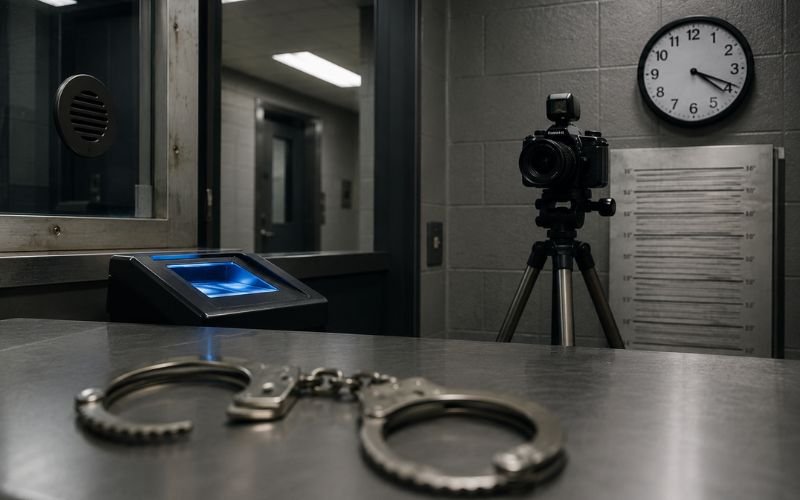
Once the suspect is arrested, they are booked for the sexual misconduct crime. Being booked involves having their picture taken, fingerprints taken, and warrant checks conducted.
At this point, police are free to try and interrogate suspects. The right against self-incrimination starts once the suspect is placed under arrest, and it is critical for the rights against self-incrimination and for counsel to be invoked.
After a 24 to 48 hour period, a preliminary hearing regarding bail will be held.
Bail in sex crimes can be set at a high amount and come with harsh conditions such as GPS tracking, no internet, a no-contact order, travel restrictions, and residential restrictions. Failure to adhere to the bail terms can result in immediate arrest.
What Investigators Do Before and After the Charge
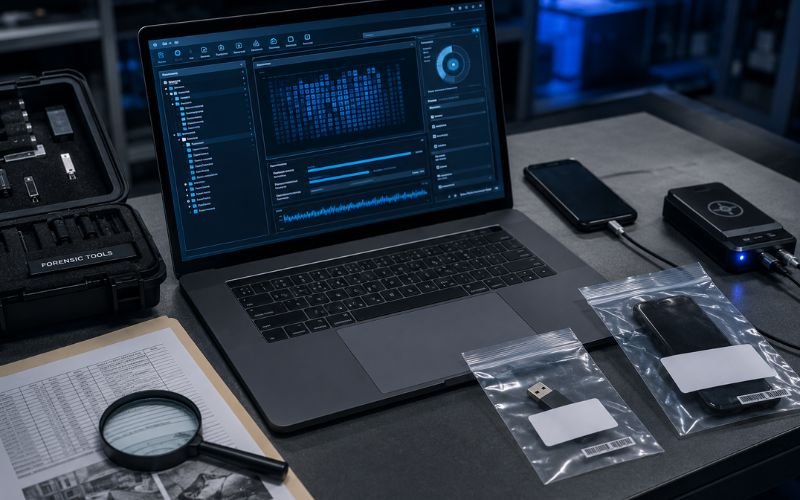
Investigations into sex crimes usually take place even before the filing of charges and after formal charges have been filed. Search warrants for computers, electronic devices, cloud services, and communications are secured by law enforcement agencies.
For those cases involving the use of the internet, computer or phone forensics are conducted, providing huge amounts of evidence, including deleted items.
Physical evidence, such as DNA evidence, is also gathered early on, perhaps using court-approved search warrants.
Prosecutors methodically build their cases using both forms of evidence, while the accused’s legal counsel has to act quickly in ensuring a forensic investigation and contesting the legality of any search and seizure operation.
Remember that you also have rights. According to sex crime lawyer Andrew J. Baldwin, don’t let law enforcement or the prosecution railroad you. Turn to a trusted legal advocate for support during this critical time.
How the Criminal Process Unfolds
The process then advances to pretrial discovery and motions. This entails exchanging evidence like police reports, forensic evidence, witness testimony, and electronic documentation.
Pretrial motions may attempt to restrict which evidence will be presented, exclude evidence, or raise constitutional claims regarding the way the evidence was obtained.
Most sexual offenses end in plea bargaining without going to trial.
In the event that the matter goes to trial, the defendant is allowed to cross-examine the witnesses through the Sixth Amendment but not necessarily the complainant’s sexual history since there are rape shield laws that restrict the admission of such evidence, albeit on a state-by-state basis.
Sex Offender Registration: What Conviction Means Beyond Sentencing

Registration after committing a qualifying sexual offense becomes necessary under the Sex Offender Registration and Notification Act (SORNA). This act provides the standard at the federal level, under the Adam Walsh Act.
The offenses committed are categorized in three groups with varying time durations, with Tier I lasting 15 years, Tier II, 25 years, and Tier III being for life.
The convicted person has to reveal certain personal information such as addresses, workplaces, types of vehicles, and online aliases and keep updating that in person.
The reporting frequency is annual for those in Tier I and every 90 days for those in Tiers II and III. Relocation and change in the workplace make the process more complicated. Not registering is also a felony offense at the federal level.
Besides the above, the convicted offender faces many residency and employment restrictions.
The Role of Defense Counsel From the First Day
Early in a case of sexual abuse, early decisions such as telling the police what to say, whether to hand over digital items, and whether to negotiate a plea can have a major influence on the final decision and can be irreversible.
Evidence is gathered in quick time when memories and details are fresh, and this helps build the case for the prosecution.
The work of a lawyer extends beyond the courtroom as they deal with bail applications, examination of evidence, contesting subpoenas, and forensic and witness credibility.
Early planning by the lawyer is important since many of the long-term implications are usually determined at the early stage of the case.
Understanding What Is at Stake
A charge of a sex crime is a matter that could lead to implications that extend well beyond the initial criminal proceedings themselves.
The punishment itself will be part of that package.
It may very well be the case, however, that the sex offender registry and the restrictions on living arrangements and employment opportunities, among others, will prove to be more significant and certainly much more long-lasting in terms of their effect.
Everything begins with having a full understanding of the situation to make the right decisions, including when to speak with the police.