
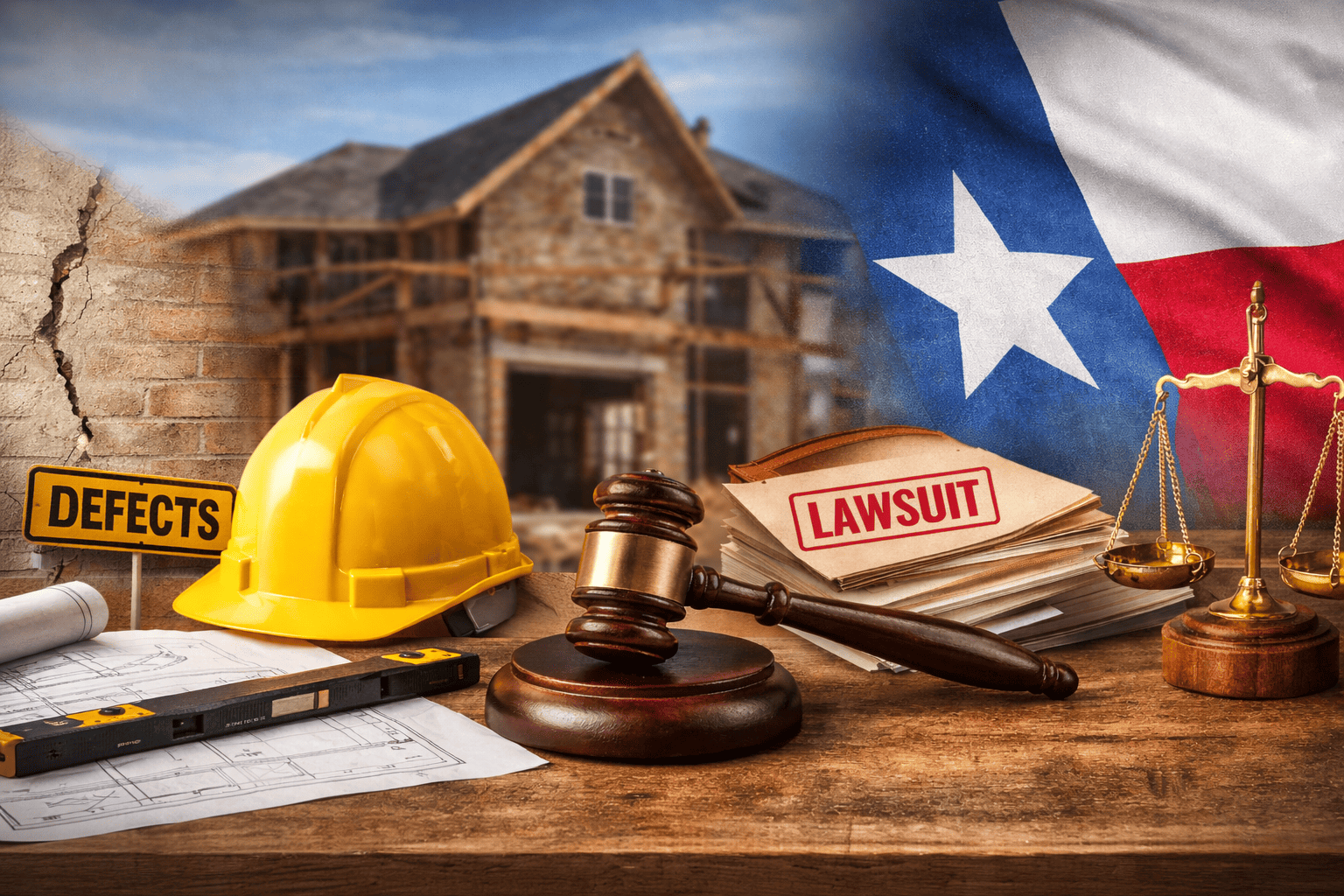
Texas Built Construction Lawsuit: What Homeowners Should Know
Buying or building a home is supposed to be one of life’s most exciting milestones. For many families, it is also one of the largest financial investments they will ever make. That is why it can be incredibly frustrating when a newly built home starts showing serious problems soon after move-in. What should have been a fresh start can quickly turn into stress, repair costs, and difficult conversations with a builder or contractor.
This is often when homeowners begin searching for information about a Texas-built construction lawsuit. If you are dealing with cracks in the foundation, roof leaks, drainage issues, unfinished work, or a builder who is ignoring your concerns, you are not alone. Construction disputes happen more often than people expect, and understanding the basics can help you make smarter decisions early on.
In this guide, we will explain what a construction lawsuit in Texas usually involves, why these disputes happen, what legal issues may come up, and what steps homeowners should take before moving forward. The goal is to help you understand the process in simple, clear language without making the situation feel more overwhelming than it already is.
What Is a Texas Built Construction Lawsuit?
A texas built construction lawsuit usually refers to a legal dispute between a homeowner and a builder, contractor, subcontractor, or developer over problems related to a construction project in Texas. These disputes often involve claims that the work was defective, incomplete, delayed, or not performed according to the contract.
These cases may involve:
- Newly built residential homes
- Large home remodeling projects
- Home additions
- Structural repairs
- Warranty-related issues
- Contractor or subcontractor workmanship problems
In many situations, the issue starts small. A homeowner may notice hairline cracks in a wall, water pooling outside the home, or doors that no longer close properly. At first, these may seem like normal “settling” issues. But if the problems get worse, or the builder refuses to address them properly, they may become part of a larger legal dispute.
Why Homeowners File Construction Lawsuits
Not every construction issue leads to a lawsuit. However, when defects are serious, repairs fail, or the builder stops cooperating, homeowners often begin exploring legal options.
1. Construction Defects
Construction defects are one of the most common reasons homeowners file claims. These defects can affect the safety, value, and long-term stability of a home.
Common examples include:
- Foundation cracks or slab movement
- Roof leaks
- Poor drainage around the home
- Plumbing leaks or pipe failures
- Electrical problems
- Mold caused by hidden moisture
- Uneven flooring
- Windows or doors that do not seal or close properly
For example, imagine a family moves into a newly built home and notices water collecting near the foundation every time it rains. A few months later, cracks begin to appear in the slab and interior walls. If the builder ignores repair requests or offers only temporary fixes, the homeowner may start researching a texas built construction lawsuit to understand what rights they may have.
2. Breach of Contract
The construction contract is one of the most important documents in any building project. It explains what work will be done, which materials will be used, how much the project will cost, and when it should be completed.
A breach of contract may happen when the builder:
- Uses cheaper materials than promised
- Misses deadlines without explanation
- Charges for work that was never completed
- Fails to install agreed-upon features or upgrades
- Leaves the project unfinished
- Ignores written warranty or repair obligations
When this happens, homeowners often begin looking into construction dispute claims and general legal guidance through trusted resources such as legal case and dispute information to better understand the issue.
3. Delays and Project Abandonment
Some construction delays are normal. Weather, labor shortages, and material delays can affect even well-managed projects. But when delays become unreasonable, or the builder stops showing up entirely, the problem becomes much more serious.
A delay may turn into a legal issue when:
- The move-in date keeps changing
- The builder gives no clear explanation
- The home remains unsafe or unfinished for months
- The homeowner is forced to pay extra for temporary housing
- Work stops and communication becomes difficult
4. Warranty Disputes
Many new homes come with builder warranties, but that does not always mean the repair process is easy. Some builders deny coverage, delay repairs, or send crews that only apply temporary fixes.
Warranty-related disputes often involve:
- The builder claiming the defect is not covered
- Delays in scheduling repairs
- Poor-quality repair work
- The same issue returning again after it was supposedly fixed
Texas-Specific Legal Issues Homeowners Should Know
Because this topic is specific to Texas, it helps to understand that construction disputes in the state can involve a few legal concepts that homeowners should at least be aware of.
Residential Construction Liability Act (RCLA)
In Texas, some residential construction defect disputes may involve the Residential Construction Liability Act (RCLA). This law can affect how homeowners and builders handle certain claims before a lawsuit fully moves forward.
In simple terms, the RCLA may require:
- Written notice to the builder about the defect
- A chance for the builder to inspect the problem
- An opportunity for the builder to offer repairs or a settlement before formal litigation continues
This does not mean every case is the same, but mentioning the RCLA is important because it is one of the main Texas-specific laws that can come up in residential construction disputes.
Statute of Limitations in Texas
Homeowners should also know that legal claims usually have filing deadlines. This is often called the statute of limitations.
In Texas, time limits may vary depending on the type of claim, but in many situations:
- Breach of contract claims may have a general deadline of around 4 years
- Negligence-related claims may sometimes involve a general deadline of around 2 years
However, the exact deadline can depend on the facts of the case, the type of damage, when the issue was discovered, and the legal theory being used. That is why it is important not to wait too long if major defects or disputes are involved.
Common Legal Issues in Construction Disputes
Several legal issues may appear in a Texas construction dispute, depending on what happened.
Negligence
Negligence means the builder or contractor failed to use reasonable care. For example, poor installation of plumbing or drainage systems that leads to major damage may raise negligence concerns.
Code Violations
Homes must meet local building codes and safety standards. If the work fails to meet those standards, it can create both safety risks and legal exposure.
Misrepresentation
If a builder promised premium materials, special upgrades, or certain quality standards but delivered something much different, that may create a misrepresentation issue.
Subcontractor Responsibility
Builders often hire subcontractors for roofing, plumbing, electrical work, HVAC, or foundation work. If one of those parties caused the defect, determining responsibility may become more complicated.
Warning Signs Homeowners Should Not Ignore
Some issues may look minor at first, but they can point to deeper problems.
Watch for these red flags:
- Large cracks in the foundation or interior walls
- Doors and windows that suddenly stop closing properly
- Water stains on ceilings or walls
- Roof leaks after normal rainfall
- Standing water near the slab or foundation
- Mold, mildew, or musty odors
- Flickering lights or unsafe electrical outlets
- Plumbing leaks or recurring backups
- A builder who ignores written repair requests
- Missing permits or incomplete paperwork
If these signs appear, it is a good idea to begin documenting everything immediately.
What to Do Before Filing a Lawsuit
Before considering formal legal action, homeowners should take a few practical steps.
1. Review the Contract Carefully
Look for:
- Scope of work
- Completion dates
- Warranty details
- Repair obligations
- Change order terms
- Dispute resolution clauses
- Arbitration or mediation language
2. Document Every Problem
Create a clear record that includes:
- Photos and videos
- Emails and text messages
- Inspection reports
- Invoices and receipts
- Repair estimates
- Notes about when the issue began
3. Request Repairs in Writing
Always communicate repair requests in writing. This creates a paper trail and shows that you gave the builder a chance to respond.
4. Get an Independent Inspection
A licensed inspector, structural engineer, or experienced contractor can help identify whether the issue is cosmetic, structural, or the result of poor workmanship.
How These Lawsuits Can Affect Homeowners
Construction disputes are rarely quick or easy. Even strong claims can take time to resolve.
Possible impacts include:
- Out-of-pocket repair costs
- Delays in moving in or staying comfortably in the home
- Problems selling or refinancing the property
- Stress and uncertainty
- Ongoing communication with insurers, contractors, and legal professionals
Still, when the damage is serious, taking action may be the best way to protect your investment.
Conclusion: Do Not Wait Too Long to Act
A texas built construction lawsuit can feel overwhelming, especially when you are already dealing with defects, delays, or an unresponsive builder. But the most important thing to remember is this: waiting too long can make the situation harder and pricier.
If you are seeing signs of poor workmanship, repeated repair failures, or major construction defects, do not ignore them. Start documenting the issues, review your contract, communicate in writing, and get an independent opinion as early as possible. Early action can make a major difference in protecting your home, your finances, and your legal position.
Small construction problems sometimes stay small but many do not. When major issues continue, taking informed steps early is often the best way to avoid bigger losses later.
Important Legal Disclaimer
This article is provided for educational and informational purposes only and should not be considered legal advice. Every construction dispute is different, and Texas laws may apply differently depending on the facts of your case. Before making any legal decisions or taking formal action, you should consult a qualified attorney who can review your specific situation.
Need Help With a Construction Dispute?
If you are dealing with serious home defects, builder delays, or contract issues, it may be a good time to speak with a qualified legal professional.
Next Steps You Can Take:
- Gather your contract and repair records
- Take photos and videos of the damage
- Keep copies of all written communication
- Request an independent inspection
- Consult a construction or real estate attorney for case-specific guidance
If your situation is getting worse, do not wait. Early documentation and timely legal guidance can help protect your home and your investment.
FAQs
1. What does a texas built construction lawsuit usually involve?
It usually involves disputes between homeowners and builders over defects, delays, warranty issues, contract breaches, or poor workmanship.
2. What is the RCLA in Texas?
The Residential Construction Liability Act (RCLA) is a Texas law that may apply to some residential construction defect claims. It can affect notice requirements and may give the builder an opportunity to inspect or offer repairs before litigation continues.
3. Can homeowners sue builders for construction defects in Texas?
In some cases, yes. If the defects are serious and the builder fails to repair them or violates the contract, legal action may be possible.
4. What are common warning signs of construction defects?
Common signs include foundation cracks, roof leaks, water intrusion, drainage issues, mold, plumbing failures, electrical problems, and uneven floors.
5. Is there a time limit to file a construction-related claim in Texas?
There may be. Depending on the type of claim, deadlines can vary. For example, some breach of contract claims may generally have a four-year limit, while some negligence-related claims may involve a shorter period. Because every case is different, it is important to get legal guidance quickly.
