
What Is Third Degree Murder Mean? Simple Definition, Examples & Legal Guide (2026)
What Does Third Degree Murder Mean?
Third-degree murder is a legal classification of homicide involving an unlawful killing caused by reckless or dangerous behavior showing extreme indifference to human life, without premeditation or specific intent to kill. It is considered more serious than manslaughter but less severe than first- or second-degree murder. This charge applies in select U.S. states such as Minnesota, Florida, and Pennsylvania.
Third Degree Murder Explained in Simple Terms
Third-degree murder occurs when a person causes someone’s death without planning it and without intent to kill. It usually happens when someone engages in dangerous or reckless behavior, knowing it could seriously harm others, but proceeds anyway.
In simple terms:
- It’s not a planned killing.
- It’s more serious than an accident.
- The person’s actions show a clear disregard for human life.
This type of murder sits between intentional killing and accidental death. There is no deliberate intent to kill, but the behavior is so unsafe that the law treats it as a serious crime. For example, acting in an obviously risky way that results in someone’s death can qualify as third-degree murder.
Key Elements of Third Degree Murder
Understanding what qualifies as third degree murder becomes clearer when analyzed through its core legal elements. Courts rely on these factors to determine whether a killing meets the threshold for this charge:
- Absence of Premeditation
Third degree murder does not involve prior planning or a deliberate decision to kill. The act occurs without forethought, distinguishing it from first-degree murder, which requires premeditation. - No Specific Intent to Kill
The defendant does not act with the conscious objective of causing death. Instead, the fatal outcome results from conduct that was not specifically intended to kill. - Reckless Conduct Showing Extreme Indifference
The accused engages in dangerous behavior that demonstrates a blatant disregard for human life. This level of recklessness goes beyond ordinary negligence and reflects what courts often recognize as “depraved-heart murder.” - Causal Connection to Death
There must be a direct and provable link between the reckless conduct and the victim’s death. The prosecution must establish that the defendant’s actions were a substantial factor in causing the fatality.
The Legal Standard: Depraved Indifference
A critical concept in third degree murder cases is depraved indifference, sometimes referred to as a “depraved mind.” This legal standard applies when a person’s conduct is so reckless and dangerous that it demonstrates a complete disregard for the value of human life.
Rather than focusing on intent to kill, courts examine whether the defendant consciously engaged in life-threatening behavior despite knowing the serious risk involved. Classic examples include firing a weapon into a crowded area or engaging in extremely hazardous conduct that puts others at significant risk.
This doctrine—often labeled as depraved-heart murder—elevates certain reckless killings to murder, even in the absence of explicit intent, making it a key factor in how third degree murder is defined and prosecuted.
Real-Life Examples of Third Degree Murder
Understanding real-life scenarios makes it easier to grasp what third degree murder means in practical terms. These examples show how someone can face serious charges without a direct intent to kill, but through extreme recklessness or disregard for human life.
Example 1: Drug-Induced Homicide (Fentanyl Case Study)
In recent years, courts across the United States have increasingly treated fatal overdoses linked to synthetic opioids like Fentanyl as serious homicide offenses.
If a person knowingly distributes fentanyl-laced drugs and the user dies, prosecutors may pursue third degree murder charges under “drug-induced homicide” laws. Even without intent to kill, the act of supplying a highly lethal substance demonstrates extreme indifference to human life.
This is a rapidly evolving legal area, reflecting stricter responses to the opioid crisis.
Example 2: Extreme Reckless Driving
Driving at dangerously high speeds, racing in crowded areas, or ignoring traffic laws can create life-threatening situations.
If such behavior leads to a fatal accident, it may go beyond negligence. Courts can treat it as third degree murder when the driver’s actions show a clear and conscious disregard for others’ safety.
Example 3: Negligent Handling of a Weapon
Carelessly handling a firearm—such as leaving it loaded in an unsafe place or using it irresponsibly—can have deadly consequences.
If someone dies due to this level of recklessness, the responsible individual may face third degree murder charges, even without any intent to harm.
Example 4: Dangerous Conduct Without Direct Targeting
Engaging in inherently dangerous actions—such as discharging a weapon in a populated area or creating hazardous conditions—can result in death.
Even when no specific victim is targeted, the law may treat such conduct as third degree murder because it shows a blatant disregard for human life.
Why This Matters
Modern third degree murder cases increasingly focus on reckless behavior in high-risk contexts, especially involving drugs and public safety. Adding current legal trends—like fentanyl-related prosecutions—helps clarify how the law is applied today, not just in theory.
Which States Actually Have Third-Degree Murder Laws?
Not all U.S. states formally recognize “third-degree murder” as a distinct legal category. As of 2026, only a small number explicitly use the term, while others prosecute similar conduct under equivalent charges such as manslaughter or depraved-heart homicide.
States That Explicitly Use “Third-Degree Murder”
Minnesota
- Defined under Minnesota Statute § 609.195
- Applies to acts showing a “depraved mind” with reckless disregard for human life, without intent to kill
- Example: Dangerous conduct that endangers multiple people
- Penalty: Up to 25 years in prison
Florida
- Defined under Florida Statute § 782.04(4)
- Applies when a death occurs during the commission of a non-violent felony
- Does not require intent to kill
- Penalty: Up to 15 years (can increase depending on classification)
Pennsylvania
- Defined under 18 Pa. Cons. Stat. § 2502(c)
- Serves as a catch-all category for killings that are neither first- nor second-degree murder
- Typically involves malice but no premeditation
- Penalty: Up to 40 years in prison
States With Equivalent (But Differently Named) Charges
These states do not use the term “third-degree murder” but cover similar conduct under other legal classifications:
New Jersey
- Uses Manslaughter and Aggravated Manslaughter (N.J. Stat. § 2C:11-4)
- Aggravated Manslaughter specifically applies when a killing shows extreme indifference to human life
- Manslaughter covers reckless killings without that heightened level of indifference
- Penalty: Typically 10–30 years, depending on the charge and severity
Texas
- Uses Manslaughter (Texas Penal Code § 19.04)
- Applies to reckless killings without intent
- Penalty: 2–20 years in prison
California
- Does not recognize third-degree murder
- Similar cases are prosecuted under Second-Degree Murder or the Felony Murder Rule (Cal. Penal Code § 187)
- Penalty: Varies widely based on the facts of the case
Key Takeaway
Only Minnesota, Florida, and Pennsylvania formally define third-degree murder.
Other states address similar conduct through manslaughter or equivalent homicide laws, rather than a distinct third-degree category.
Third Degree Murder vs Manslaughter
| Factor | Third Degree Murder | Manslaughter |
| Intent | No | No |
| Severity | Higher | Lower |
| Recklessness | Extreme | Moderate |
Explanation:
Third degree murder involves causing death through extremely reckless or dangerous actions without the intent to kill, making it more severe than manslaughter. Manslaughter, on the other hand, typically results from negligent or careless behavior that unintentionally leads to death. In short, the key difference lies in the level of recklessness and potential harm caused.
Difference Between 1st, 2nd, and 3rd Degree Murder
Understanding the differences between the degrees of murder is crucial because the intent, planning, and severity of the crime determine both the charges and the penalties. While all involve unlawful killing, each degree has distinct legal criteria.
| Degree | Intent | Planning | Example |
| 1st | Yes | Planned | Premeditated killing, such as plotting and executing a murder |
| 2nd | Yes | No | Sudden violence, like a fight that unexpectedly ends in death |
| 3rd | No | No | Reckless act, such as firing a gun into a crowd without targeting anyone |
Short Explanation:
- First-degree murder is the most serious, involving deliberate intent and premeditation. The killer plans the act in advance, which makes the punishment the harshest, often life imprisonment or death penalty in some states.
- Second-degree murder also involves intent to kill, but it occurs without prior planning—a spontaneous act fueled by anger or sudden circumstances.
- Third-degree murder (sometimes called “manslaughter in some states”) does not involve intent. It usually results from reckless or dangerous actions that cause someone’s death, such as drunk driving or firing a gun recklessly.
This section helps readers clearly distinguish the degrees and also provides Google-friendly structure for snippet and table search features.
What Qualifies as Third Degree Murder?
Third degree murder occurs when a person’s reckless or dangerous actions lead to someone’s death, without any intent to kill. Unlike first or second degree murder, there is no premeditation or deliberate plan to cause death. What matters is that the act shows a foreseeable risk of serious harm to others.
Key Factors That Qualify:
- Dangerous Actions: The individual engages in behavior that is inherently risky, such as firing a gun into a crowd, handling explosives recklessly, or selling deadly drugs.
- No Intent to Kill: Unlike higher-degree murders, third degree murder does not require the person to have wanted the victim dead. The death results from negligence or extreme recklessness.
- Foreseeable Risk: The actions must be obviously dangerous, creating a high likelihood of harm to others. Courts look at whether a reasonable person could foresee the potential outcome.
- Death Occurs: Ultimately, the reckless behavior must cause the death of another person for it to qualify as third degree murder.
Example:
A person throws a heavy object from a rooftop onto a busy street, hitting a passerby and causing death. There was no intent to kill, but the act was reckless enough to meet the criteria for third degree murder.
Punishment for Third Degree Murder
The punishment for third degree murder varies significantly depending on the state where the crime is committed. Unlike first-degree murder, which can carry life sentences or the death penalty, third degree murder is generally considered less severe but still carries serious consequences.
Typical Punishments Include:
Prison Time:
Most states classify third degree murder as a felony. Prison sentences can range from 10 to 25 years, depending on the circumstances and whether the defendant has prior convictions.
It’s important to note that a sentence length does not always equal time served. In many jurisdictions, parole eligibility and sentencing guidelines can allow for early release, meaning individuals may serve less than the full sentence.
No Death Penalty:
Third degree murder usually does not carry the death penalty, even in states where capital punishment is legal. The focus is on punishment for reckless or dangerous behavior rather than premeditated killing.
Fines and Probation:
In addition to prison time, courts may impose heavy fines, probation, or both, especially if mitigating circumstances exist, such as cooperation with authorities or lack of prior criminal record.
State Variations:
- Florida: 10–30 years in prison for felony-based third degree murder
- Minnesota: Up to 25 years depending on “depraved mind” factors
- Pennsylvania: Sentences vary; judges consider intent and recklessness
Understanding these penalties is crucial, as they highlight the serious legal consequences even when the act was not intentional.
How Prosecutors Prove Third Degree Murder
Proving third degree murder requires showing that the defendant’s actions were dangerous or reckless and directly caused the death of another person. Unlike first- or second-degree murder, prosecutors do not need to prove intent to kill, but they must demonstrate that the defendant acted with a reckless disregard for human life.
Key Elements Prosecutors Use:
- Recklessness
- Prosecutors must show that the defendant engaged in conduct that posed a high risk of death or serious injury.
- Examples: firing a gun into a crowd, selling lethal drugs, or extreme drunk driving.
- Causation
- It must be proven that the reckless behavior directly led to the victim’s death.
- Courts often examine timelines, events, and how foreseeable the outcome was.
- Evidence (Witnesses, Forensic, and Documentation)
- Witness testimony: eyewitnesses can describe the reckless act.
- Forensic evidence: autopsy reports, ballistic analysis, toxicology, or accident reconstruction.
- Documentation: surveillance footage, text messages, or other records linking the defendant to the dangerous act.
By combining proof of recklessness, clear causation, and solid evidence, prosecutors can successfully establish third degree murder in court, even without intent to kill.
Common Legal Defenses
When someone is charged with third degree murder, there are several legal defenses that a skilled attorney might use to reduce or dismiss the charges. Understanding these defenses can help clarify how the law differentiates between intentional crimes and reckless actions.
1. Lack of Intent
One of the strongest defenses is showing that the defendant did not intend to cause death. Third degree murder requires reckless behavior, not premeditation. If the defendant’s actions were accidental or lacked malice, this defense can reduce charges to a lesser offense, such as manslaughter.
2. Accident
If the death occurred due to a genuine accident, without reckless behavior, it may not qualify as third degree murder. Courts consider whether a reasonable person could foresee the danger, so proving a true accident can significantly impact the case outcome.
3. Self-Defense
In situations where the defendant acted to protect themselves from imminent harm, self-defense can be a valid legal argument. Even if someone died during the confrontation, the law may recognize the action as justified, preventing a third degree murder conviction.
4. Weak Evidence
Sometimes, the prosecution lacks strong proof connecting the defendant to reckless behavior causing death. Weak or circumstantial evidence can be challenged in court, potentially leading to dismissal or reduced charges.
Is Third-Degree Murder Intentional or Accidental?
Third-degree murder is generally classified as a general intent crime, not a specific intent crime. This means the person intended to commit a dangerous act, but did not specifically intend to kill anyone.
Instead of a deliberate plan to cause death, third-degree murder involves reckless or extremely negligent behavior that shows a disregard for human life. The resulting death is a consequence of that conduct—not a premeditated objective.
Key Points:
- General intent – intent to perform the dangerous act, not to kill
- No specific intent to kill – death was not the intended outcome
- Reckless conduct – conscious disregard for a substantial risk to human life
- Unintended but foreseeable outcome – death occurs as a result of dangerous behavior
Example:
A person fires a gun into the air during a reckless party. They do not intend to kill anyone, but the bullet strikes and kills someone. Because the individual intended the risky act (firing the gun) but not the death itself, this can be classified as third-degree murder under general intent principles.
FAQs
Q1: What is third degree murder in simple words?
Third degree murder is an unlawful killing that happens without premeditation or intent to kill, but through reckless or dangerous actions that show a disregard for human life. It is more serious than manslaughter but less severe than first- or second-degree murder.
Q2: Is third degree murder worse than manslaughter?
Yes. While manslaughter usually involves negligence or an accident, third degree murder involves reckless behavior that could reasonably lead to death. Courts typically impose longer prison sentences for third degree murder compared to manslaughter.
Q3: Can you go to jail for third degree murder?
Absolutely. Third degree murder is a felony, and depending on the state, it can carry prison sentences ranging from 10 to 25 years. In most cases, it does not result in the death penalty, but convictions have serious long-term consequences.
Q4: What is an example of third degree murder?
- Firing a gun into a crowd without targeting anyone, resulting in death
- Selling dangerous drugs that lead to a fatal overdose
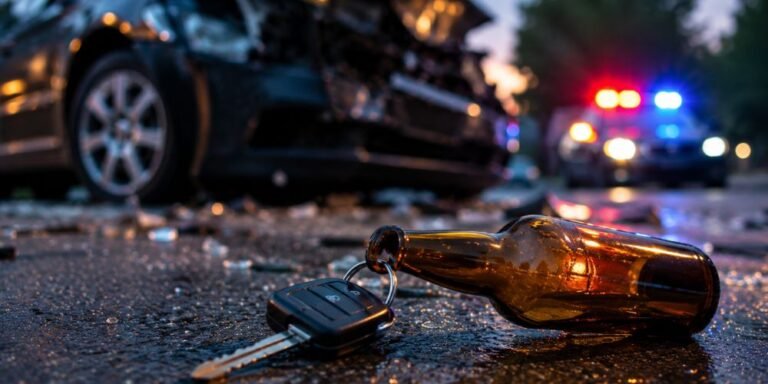
- Driving recklessly under the influence and causing a fatal accident
These actions are not intentional killings but demonstrate a reckless disregard for human life.
Q5: Which states have third degree murder laws?
Third degree murder exists in some U.S. states, with variations in definitions and punishments:
- Florida – felony-based homicide
- Minnesota – “depraved mind” killings
- Pennsylvania – catch-all category for murders not classified as first or second degree
Final Thoughts
Third-degree murder is a serious crime that involves causing someone’s death through reckless or dangerous actions without premeditation or intent to kill. Understanding this distinction is important because it affects how the law charges, prosecutes, and punishes such cases.
While it may seem similar to manslaughter or other murder degrees, the key factor is reckless behavior that leads to death, not intentional harm. By knowing the definition, examples, and legal differences, you can better understand how third-degree murder is treated in courts and why legal representation is crucial in these cases.
Remember, laws vary by state, so always refer to local statutes to understand the specific consequences and defenses available.