
2026 Arizona Pre-Trial Motions: How Attorneys Suppress Bad Evidence and Protect Your Case
If you’re facing criminal charges in Arizona, what happens before trial matters just as much as the trial itself. Pre-trial motions give your defense team a chance to challenge how evidence was gathered, how witnesses were handled, and whether your constitutional rights were respected along the way. In 2026, Arizona courts continue to follow strict procedural rules that defense attorneys use to their advantage, and understanding how that works can help you see why early legal strategy is so important.
1. What Pre-Trial Motions Do
Pre-trial motions are formal requests filed with the court before a trial begins. Defense teams use them to ask a judge to take a specific action, like throwing out illegally obtained evidence or dismissing a charge altogether. They are not arguments made to a jury. They are legal tools used in front of a judge.
In Arizona, these motions are governed by the Arizona Rules of Criminal Procedure. Deadlines matter here. Most motions must be filed within a set window after arraignment, so waiting too long can mean losing the right to raise certain issues at all.
A skilled attorney reviews every detail of how the police conducted their investigation before deciding which motions to file. Timing, documentation, and legal precedent all factor into this decision.
2. Suppressing Evidence Obtained Without Probable Cause
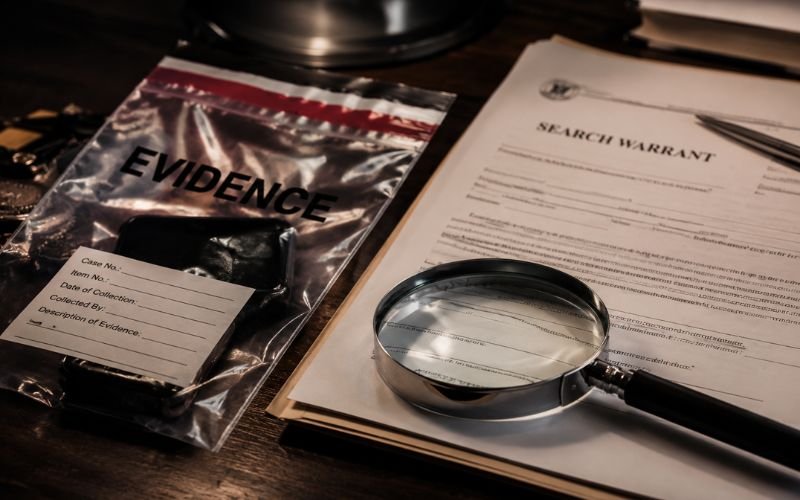
One of the most powerful pre-trial tools is a Motion to Suppress. This asks the judge to exclude evidence that was collected in violation of the Fourth Amendment, which protects against unlawful searches and seizures. If police searched your car, home, or phone without a valid warrant or a legal exception, any evidence found may be suppressed.
Arizona courts apply the exclusionary rule, which means illegally obtained evidence generally cannot be used against you at trial. In some cases, the fruit of the poisonous tree doctrine also applies, meaning secondary evidence connected to the illegal search gets thrown out too.
| Pro Tip: Keep a written record of everything you remember about your encounter with police. where you were, what was said, whether a warrant was shown, and the time it happened. This information helps your defense team evaluate whether a suppression motion is viable. |
3. Challenging Confessions and Statements Made to Police
Statements you made during police questioning can sometimes be suppressed, too. Under Miranda v. Arizona, police must inform you of your right to remain silent and your right to an attorney before a custodial interrogation. If they failed to do that, or if they continued questioning after you invoked your rights, your statements may be inadmissible.
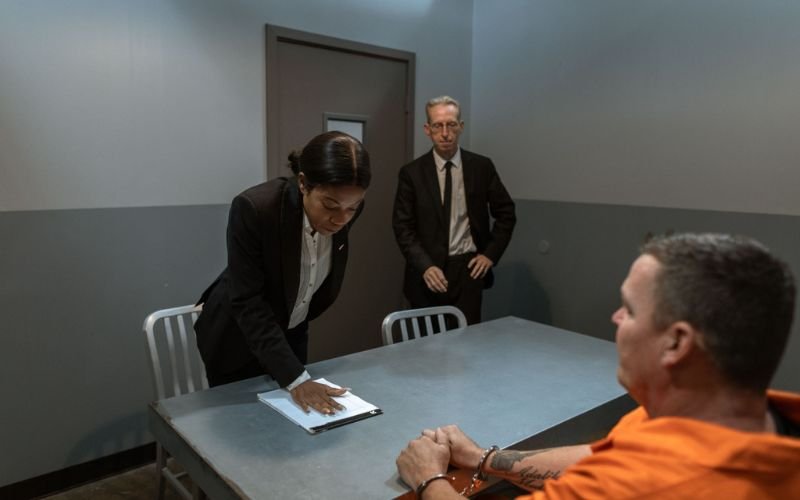
Arizona courts also look at whether a confession was voluntary. If it was made under duress, threats, or after hours of pressure without rest, a judge may suppress it. These motions require a hearing where both sides present arguments and evidence about the interrogation conditions.
In 2026, body camera footage and audio recordings from interrogation rooms have become central to these hearings. Digital evidence often tells a very different story than a police report does.
4. Motions to Dismiss: When Charges Should Not Move Forward
A Motion to Dismiss asks the court to throw out the charges entirely. This is filed when there is a clear legal defect in the case, such as a lack of probable cause to charge the defendant, a constitutional violation serious enough to warrant dismissal, or a violation of the defendant’s right to a speedy trial.
Arizona Rule of Criminal Procedure 16.6 outlines the grounds for dismissal. A judge can dismiss charges with or without prejudice. Prejudice means the state cannot refile, while without prejudice means they can try again.
| Pro Tip: If your case has dragged on for months without a trial date, ask your defense team whether your speedy trial rights under Rule 8 of the Arizona Rules of Criminal Procedure may have been violated. This is a commonly overlooked ground for dismissal. |
5. Limiting What the Jury Hears: Motions in Limine
Motions in limine are pre-trial requests to limit or exclude specific evidence before it is ever presented to a jury. Unlike suppression motions that focus on constitutional violations, motions in limine deal more broadly with relevance, prejudice, and fairness.
For example, if the prosecution wants to introduce evidence of your prior convictions, a motion in limine can challenge whether that information is relevant or whether it would unfairly bias the jury. Arizona Rule of Evidence 403 allows judges to exclude evidence if its potential for unfair prejudice outweighs its probative value.
These motions help shape the trial environment before it starts. A well-argued motion in limine can prevent a jury from ever hearing something damaging, even if that information is technically accurate.
6. Discovery Violations and How They Affect Your Case
Arizona requires the prosecution to share evidence with the defense before trial. This includes police reports, witness lists, lab results, video footage, and any exculpatory evidence, meaning anything that could help prove your innocence. These disclosure rules apply across many types of criminal proceedings, including cases involving domestic violence, where access to complete evidence can be critical for both the prosecution and the defense. When prosecutors fail to turn over required materials, your defense team can file a motion to compel disclosure or even a motion to sanction the state.
In serious cases where the prosecution intentionally withholds exculpatory evidence, the court may dismiss charges entirely. This stems from the Brady v. Maryland doctrine, which Arizona courts apply as a constitutional requirement in all criminal cases, including prosecutions involving allegations of domestic violence.
7. Why Pre-Trial Strategy Sets the Tone for Everything After
What happens in the pre-trial phase can determine whether a case goes to trial at all, and if it does, what evidence the jury actually sees. Suppressing a key piece of evidence can lead to reduced charges or a more favorable plea offer. Winning a motion to dismiss can end the case entirely.
In Arizona, the pre-trial process is where most serious criminal defense work actually happens. It requires a thorough review of police conduct, a deep knowledge of procedural rules, and the ability to argue constitutional law in front of a judge.
If you or someone you know is facing criminal charges in Arizona in 2026, do not wait until the trial date to get serious about defense. The earlier a defense team gets involved, the more options there are to challenge the case before it ever reaches a jury. Pre-trial motions are not a long shot. They are a fundamental part of how the legal system is supposed to work, and when used correctly, they can make all the difference.