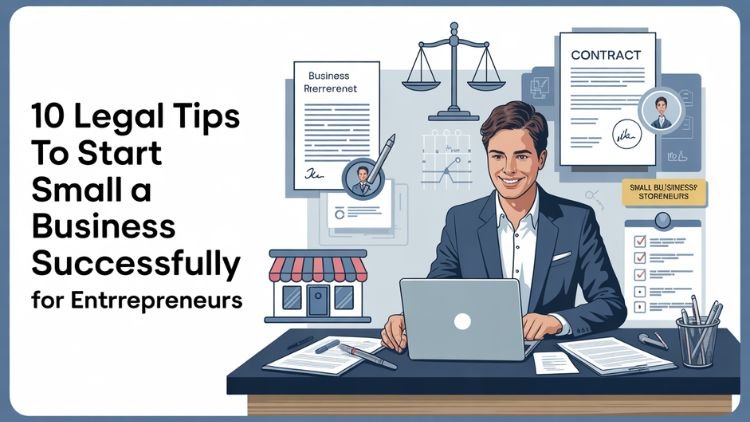
10 Legal Tips to Start a Small Business Successfully for Entrepreneurs
Starting a small business is an exciting journey for entrepreneurs, but turning an idea into a successful company requires more than creativity and determination. One of the most important factors that determines whether a business can grow safely and sustainably is proper legal preparation. Understanding the legal requirements for starting a business helps entrepreneurs avoid costly mistakes, protect their assets, and build a strong foundation for long-term success.
Many startups face serious challenges because they overlook important legal steps such as business registration, tax compliance, intellectual property protection, and contracts. These issues can lead to financial penalties, lawsuits, or even the closure of the business. Taking the time to understand the legal side of entrepreneurship helps business owners reduce risks and operate with confidence.
This comprehensive guide explains 10 essential legal tips for starting a small business. These tips will help entrepreneurs choose the right legal structure, register their company properly, protect their brand, and stay compliant with regulations while building a strong and professional business.
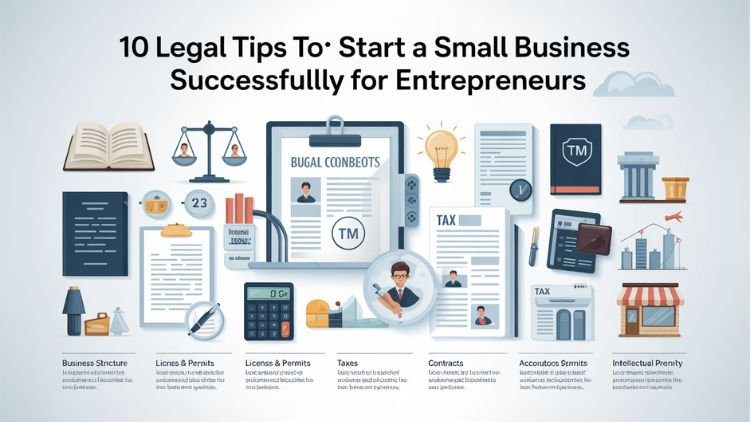
Table of Contents
- Choose the Right Business Structure
- Register Your Business Name Legally
- Obtain Necessary Business Licenses and Permits
- Get an Employer Identification Number (EIN)
- Understand Your Business Tax Obligations
- Set Up Proper Accounting and Bookkeeping
- Protect Your Intellectual Property
- Create Clear Business Contracts
- Understand Employment and Labor Laws
- Get the Right Business Insurance
1. Choose the Right Business Structure
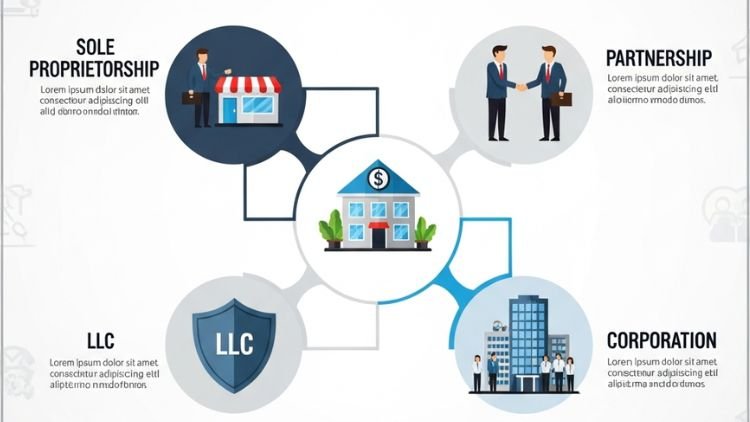
Selecting the right business structure is one of the most important legal decisions entrepreneurs must make when starting a company. The structure you choose affects taxes, legal responsibilities, ownership rules, and personal liability.
Sole Proprietorship
A sole proprietorship is the simplest form of business ownership. It is owned and operated by one individual and requires minimal paperwork to establish. Many freelancers and small service providers begin with this structure because it is easy to manage.
However, a major drawback is that the business owner is personally responsible for all debts and legal obligations. This means personal assets such as savings or property could be at risk if the business faces lawsuits or financial losses.
Partnership
A partnership is formed when two or more individuals share ownership of a business. Each partner contributes resources such as capital, expertise, or labor and shares in profits and responsibilities.
Partnerships allow entrepreneurs to combine skills and resources, but they also create shared liability. For this reason, having a written partnership agreement is essential to define ownership percentages, roles, and profit distribution.
Limited Liability Company (LLC)
An LLC is one of the most popular structures for small businesses because it provides both flexibility and liability protection. In this structure, the business is considered separate from its owners.
This means personal assets are generally protected if the business faces legal claims or debts. LLCs also offer flexible taxation options, making them attractive for startups and growing companies.
Corporation
A corporation is a more complex legal structure designed for businesses that plan to raise investment capital or expand significantly. Corporations are separate legal entities and provide strong liability protection for shareholders.
However, corporations require more formal management procedures such as maintaining records, holding shareholder meetings, and filing detailed reports.
Choosing the right structure depends on factors such as the size of the business, number of owners, financial risk, and long-term growth plans.
2. Register Your Business Name Legally
Registering a business name is an important step in establishing your brand identity and operating legally.
Business Name Availability Check
Before choosing a name, entrepreneurs should check whether the name is already registered by another company. Most government business registries provide online databases where business owners can search for name availability.
Selecting a unique name helps avoid legal conflicts and strengthens brand recognition.
DBA (Doing Business As)
A DBA allows a business to operate under a name that is different from the owner’s legal name or registered company name. This is commonly used by sole proprietors or partnerships that want to create a recognizable brand.
Trademark Protection
Registering a trademark protects your business name, logo, and slogan from being used by competitors. Trademark protection helps establish exclusive rights to your brand identity and prevents confusion among customers.
3. Obtain Necessary Business Licenses and Permits
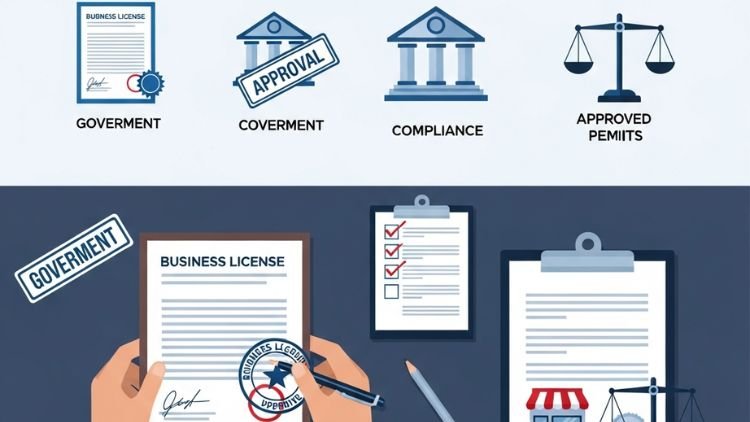
Most businesses must obtain certain licenses and permits before they can legally operate.
Local Licenses
Cities and municipalities often require businesses to obtain an operating license. Local regulations may also include zoning rules, safety inspections, and signage permits.
State Permits
Depending on the industry, businesses may also need state-level permits such as tax registrations or professional certifications.
Industry-Specific Regulations
Some industries require specialized licenses, including:
- food service businesses
- healthcare providers
- construction companies
- childcare services
- financial service providers
Operating without proper licenses can lead to fines, penalties, or forced closure.
4. Get an Employer Identification Number (EIN)
An Employer Identification Number (EIN) is a unique identification number assigned to businesses for tax purposes.
Many businesses must obtain an EIN if they:
- hire employees
- operate as a partnership or corporation
- open a business bank account
An EIN allows government agencies to track tax obligations and simplifies financial transactions with banks and vendors.
5. Understand Your Business Tax Obligations
Taxes are one of the most important legal responsibilities for entrepreneurs. Businesses may be subject to several types of taxes depending on their structure and location.
Federal Taxes
Most businesses must pay federal income taxes and self-employment taxes. Businesses that hire employees must also pay payroll taxes.
State Taxes
Many states impose additional taxes such as income tax, franchise tax, or employer taxes.
Sales Tax
Retail and e-commerce businesses often need to collect sales tax from customers and submit it to the appropriate tax authorities.
Quarterly Estimated Taxes
Many small business owners must make estimated tax payments throughout the year rather than paying all taxes at once during tax season.
6. Set Up Proper Accounting and Bookkeeping
Proper accounting helps entrepreneurs maintain financial transparency and comply with tax regulations.
Legal Record-Keeping Requirements
Businesses should maintain detailed financial records including:
- invoices
- receipts
- payroll records
- expense reports
- tax filings
These records help ensure compliance and simplify tax preparation.
Separate Business and Personal Finances
Opening a dedicated business bank account is essential for keeping personal and business finances separate. This practice simplifies bookkeeping and helps maintain legal protection for certain business structures.
Accounting Tools or Professionals
Many entrepreneurs use accounting software to track expenses and manage financial reports. As businesses grow, hiring an accountant can help ensure compliance and improve financial planning.
7. Protect Your Intellectual Property
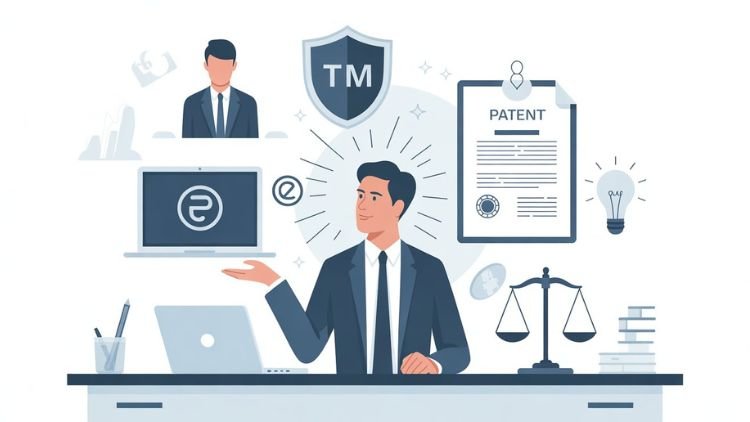
Intellectual property (IP) refers to the unique ideas, designs, and branding elements that make a business distinctive.
Trademarks
Trademarks protect business names, logos, and slogans from unauthorized use by competitors.
Copyrights
Copyrights protect creative works such as blog content, website designs, videos, and marketing materials.
Patents
Patents protect new inventions, technologies, or product designs and give businesses exclusive rights to use or sell the invention.
Protecting intellectual property helps businesses maintain control over their brand and innovations.
8. Create Clear Business Contracts
Contracts are essential for defining responsibilities and preventing disputes between businesses and the people they work with.
Important contracts may include:
- supplier agreements
- client service contracts
- partnership agreements
- non-disclosure agreements (NDAs)
Clear contracts help protect both parties and establish expectations regarding payments, deadlines, and responsibilities.
9. Understand Employment and Labor Laws

Hiring employees introduces additional legal responsibilities.
Entrepreneurs must comply with regulations related to:
- employee classification
- minimum wage laws
- overtime rules
- workplace safety requirements
- anti-discrimination policies
Understanding these laws helps prevent legal disputes and ensures fair workplace practices.
10. Get the Right Business Insurance

Business insurance protects companies from unexpected risks and financial losses.
Common types of insurance include:
General Liability Insurance
Covers injuries, accidents, or property damage related to business operations.
Professional Liability Insurance
Protects businesses that provide professional services from claims related to mistakes or negligence.
Workers’ Compensation Insurance
Provides financial support if employees are injured while performing job-related duties.
Insurance helps businesses recover from unexpected situations without serious financial damage.
Additional Legal Best Practices for Entrepreneurs
Beyond the essential legal steps, entrepreneurs should also follow additional practices to maintain long-term compliance.
Separate Business and Personal Finances
Maintaining separate accounts ensures financial clarity and protects the legal structure of the business.
Consult a Business Attorney Early
Legal professionals can help entrepreneurs avoid costly mistakes by reviewing contracts, advising on business structure, and ensuring regulatory compliance.
Stay Updated With Changing Regulations
Business laws and regulations change frequently. Entrepreneurs should regularly review government updates and renew required permits or licenses.
Frequently Asked Questions (FAQ)
What legal documents are required to start a business?
Common legal documents include business registration forms, licenses and permits, partnership agreements, operating agreements, tax registrations, and employment contracts.
Do I need a lawyer to start a small business?
While it is possible to start a business without a lawyer, consulting a business attorney can help ensure proper legal compliance and prevent costly mistakes.
What is the most common legal structure for startups?
Many startups choose an LLC because it provides liability protection while maintaining flexible management and taxation options.
Why is legal compliance important for businesses?
Legal compliance helps businesses avoid lawsuits, government penalties, and operational disruptions while building credibility with customers and investors.
Conclusion
Starting a small business involves more than just having a great idea. Entrepreneurs must also understand the legal responsibilities that come with building and operating a company.
By following these 10 legal tips for starting a small business, entrepreneurs can create a strong legal foundation, protect their assets, and reduce potential risks. From choosing the right business structure and registering a company name to protecting intellectual property and complying with employment laws, each step plays an important role in building a secure and sustainable business.
Taking legal preparation seriously from the beginning allows entrepreneurs to focus on innovation, growth, and long-term success while operating with confidence and compliance.