
Legal and Financial Consequences Explained in Simple Terms
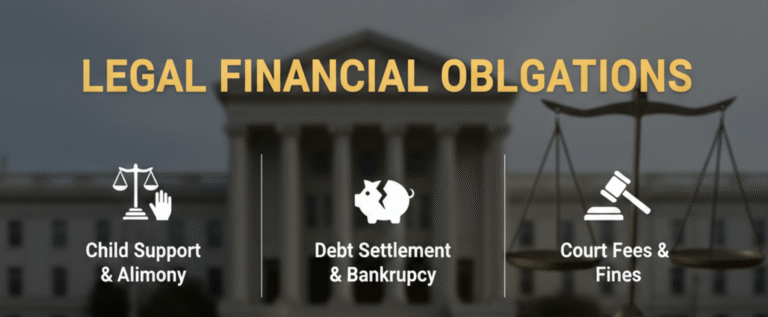
Legal and financial consequences are the outcomes that occur when an individual or a business in the United States fails to comply with laws, regulations, or financial obligations. These consequences may involve legal enforcement actions as well as financial losses. In simple terms, when legal duties and financial responsibilities are ignored, legal and financial consequences become unavoidable and can directly affect long-term stability, credibility, and reputation.
What Are Legal and Financial Consequences?
In the U.S. context, legal and financial consequences refer to penalties and actions imposed through the legal system, regulatory agencies, and financial authorities. These consequences exist to ensure accountability, compliance, and fairness within society and the business environment.
Legal Consequences Explained
Legal consequences arise when federal, state, or local laws are violated. If an individual or business fails to follow applicable laws, it may face court notices, civil or criminal penalties, lawsuits, regulatory investigations, or enforcement actions by government agencies. These actions are not only punitive but are designed to enforce compliance with U.S. laws. Legal consequences can be time-consuming and expensive due to attorney fees, court filings, documentation requirements, and hearings.
Financial Consequences Explained
Financial consequences directly impact money, assets, and financial standing. In the United States, these may include fines, monetary penalties, interest charges, damages, settlements, restitution, or increased debt obligations. In many cases, a legal violation leads to significant financial strain, disrupting long-term financial planning and cash flow. As a result, legal and financial consequences are often closely interconnected.
Common Reasons Behind Legal and Financial
Consequences
In the U.S., legal and financial consequences commonly arise from everyday personal activities and routine business operations where compliance is neglected.
Non-Compliance With Laws and Regulations
Failure to comply with federal, state, or local regulations—such as tax laws, employment and labor laws, business licensing rules, or industry-specific regulations—can result in enforcement actions by authorities. In these situations, individuals and businesses may face both legal and financial consequences, including fines, penalties, and operational restrictions.
Breach of Contracts and Agreements
Contracts are legally enforceable under U.S. law. When contract terms are violated, legal disputes and financial claims may arise. Breach of contract is a common cause of legal and financial consequences, often leading to lawsuits, settlement payments, or court-ordered damages.
Poor Financial Management
Late payments, unpaid debts, inaccurate financial records, or failure to meet financial obligations can also lead to legal and financial consequences. Poor financial management may result in penalties, interest charges, legal claims, and damage to credit scores, which can limit future financial and business opportunities in the U.S.
Impact of Legal and Financial Consequences
Legal and financial consequences often have long-term effects rather than short-term impacts.
Impact on Individuals
For individuals in the United States, legal and financial consequences can lead to financial stress, legal complications, damaged credit history, and reduced access to loans or financial services. Legal disputes and penalties may significantly affect personal savings and long-term financial security.
Impact on Businesses
For businesses, the impact can be more severe. Regulatory fines, lawsuits, loss of business reputation, reduced investor confidence, and operational disruptions can slow or halt growth. For small businesses and startups, legal and financial consequences can pose serious risks to ongoing operations and survival.
How to Reduce Legal and Financial Consequences
While it may not be possible to eliminate all risks, individuals and businesses in the U.S. can significantly reduce their exposure to legal and financial consequences.
Staying Legally Compliant
Understanding and complying with federal, state, and local laws is essential. Regular compliance reviews, internal audits, and staying informed about regulatory changes can greatly reduce the risk of legal and financial consequences.
Maintaining Financial Discipline
Timely payments, accurate accounting, proper record-keeping, and financial transparency help prevent penalties and legal issues. Strong financial discipline reduces the likelihood of unnecessary legal and financial consequences.
Seeking Professional Guidance
Consulting qualified attorneys, accountants, or financial advisors is especially important in complex legal or financial situations. Early professional guidance can help prevent disputes, penalties, and costly enforcement actions.
Conclusion
Legal and financial consequences are a serious reality in the United States, affecting both individuals and businesses. Understanding these consequences, recognizing their causes, and taking proactive preventive steps are critical for long-term protection and success. Awareness, compliance, and responsible financial behavior are the most effective ways to minimize legal and financial consequences.