Compliance Matters: Selling Guns Under Varying State Laws
Selling a firearm legally is rarely as simple as agreeing on a price. The Gun Control Act establishes a federal baseline, but gun laws vary by state in ways that can significantly affect whether a transfer is even permitted, and how it must be carried out.
The variables that shift most often include background check requirements, waiting periods, permit mandates, age limits, magazine capacity rules, and assault weapons classifications. Some states mirror federal law closely, while others layer on additional restrictions that apply regardless of how or where the sale takes place.
Preemption adds another layer of complexity. In states without strong preemption laws, local ordinances may impose requirements beyond what state law mandates, meaning sellers cannot rely on state-level rules alone. Before any transfer begins, identifying the buyer’s state, the firearm type, and the transfer channel, whether private, dealer-assisted, or online, determines which rules apply and which Federal Firearms License holders may need to be involved.
What Changes from State to State
Compliance risk comes directly from the gap between federal baseline rules and the stricter state or local requirements layered on top of them. Understanding where that gap exists, and how wide it can be, is the first step toward completing a lawful transfer.
The variables that shift most often across jurisdictions include background check rules, waiting periods, permit requirements, age limits, magazine capacity restrictions, and assault weapons classifications. Federal law creates a baseline through the Gun Control Act, but state firearm laws can add requirements that go well beyond it.
Preemption determines whether sellers can rely on state law alone or must also review local ordinances. Before proceeding, a seller should identify the buyer’s state, the firearm type, and the transfer channel to determine which rules apply and whether a Federal Firearms License holder needs to be involved at the point of transfer.
Start with the Federal Baseline
Before state rules enter the picture, federal law establishes a foundation that applies uniformly to every licensed seller in the country. Think of it as the starting checklist, not the complete answer.
Any business or individual holding a Federal Firearms License operates under the Gun Control Act, which grants the ATF authority to set compliance standards and conduct ATF compliance inspections of licensed dealers. For every dealer-facilitated transfer, that framework typically requires the gun dealer to verify the buyer’s identity, complete Form 4473, and run NICS background checks through the FBI before the transfer proceeds.
These steps exist to screen out prohibited persons, including those with felony convictions, domestic violence records, or certain mental health adjudications. Federal law also makes straw purchasing a serious offense regardless of which state the transaction occurs in. A straw purchase happens when someone buys a firearm on behalf of a person who cannot legally acquire one themselves.
State law can expand on these requirements, but no state rule removes the underlying federal duties that come with holding an FFL. The Gun Control Act remains the floor, not the ceiling.
Where Sellers Make the Biggest Mistakes
Even sellers who understand the federal framework can run into compliance problems when a transaction crosses state lines or involves unfamiliar documentation requirements. Two areas, in particular, account for a significant share of avoidable errors.
Out-of-State Transfers Need Extra Care
When a buyer resides in a different state than the seller, the transaction cannot simply cross state lines without additional steps. Federal law generally requires the transfer to be routed through an FFL dealer in the buyer’s state, where the actual handoff takes place.
Even when the sale is federally permissible, the destination state’s rules apply at the point of transfer. A firearm legal in the seller’s state may face restrictions, waiting periods, or an outright prohibition under the buyer’s state firearm laws, none of which the federal background check resolves on its own. Sellers often verify transaction details against state-specific legal resources from We Buy Guns before moving a sale across jurisdictions, treating that review as part of a broader compliance-checking habit rather than a one-time lookup.
Records Must Match the Jurisdiction
Form 4473 satisfies the federal documentation requirement, but several states impose additional recordkeeping duties on top of it. Permit verification, state-mandated waiting periods, and transaction logs may all need to be recorded separately depending on where the buyer takes possession.
These requirements matter most when a compliance inspection occurs. Reconstructing records after the fact rarely satisfies an inspector, and incomplete documentation can expose a seller to liability even when the underlying transfer was otherwise lawful. As noted earlier, the federal floor does not account for these state-level additions, which is why documentation should be confirmed before the sale is completed, not after.
Why Local Rules Can Still Affect a Sale
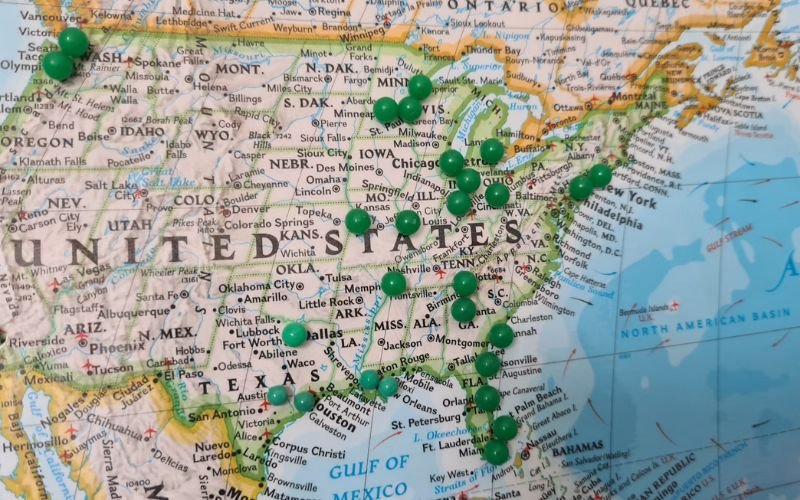
State compliance is not always the final layer a seller needs to consider. Preemption rules differ widely across the country, with some states restricting local governments from regulating firearms beyond state law, while others leave meaningful room for city and county ordinances to impose additional requirements.
Where preemption is limited or absent, local rules can affect how storage is handled, what conditions apply to a transfer, or whether certain related restrictions come into play. California and New York frequently appear in compliance discussions precisely because layered regulation across state and local levels makes those frameworks more complex to navigate. Sellers operating in or shipping to jurisdictions within those states should verify whether local ordinances add requirements that state firearm laws alone do not address.
Compliance Comes Down to Verification
Every lawful firearm sale depends on treating the transaction as a jurisdiction-specific review rather than a general process. Federal requirements under the ATF and the Gun Control Act establish the floor, but destination-state restrictions and local ordinances may each add conditions that affect whether a transfer can proceed at all.
Sellers who verify the minimum age to purchase a firearm, confirm applicable state firearm laws, and document each step before the transfer takes place reduce the compliance risk that incomplete verification creates for FFL holders. Clear documentation and upfront verification, applied consistently across every transaction, remain the most reliable way to stay on the right side of a framework that varies considerably from one jurisdiction to the next.