
How a Family Immigration Lawyer Can Help Your Family
What happens when your family is divided between two countries?
Who can you petition for?
Which immigration process should you follow?
And what if you make a mistake on a form and don’t realize it until after filing?
Family immigration can bring a lot of questions, especially when you are trying to understand complicated forms and legal requirements while also thinking about the people you love. A spouse may be waiting to join you. A parent may be hoping to move closer to their children. Or you may be trying to help a child obtain permanent residence.
The good news is that you don’t have to figure out every step alone. A family immigration lawyer can explain your options, help prepare your application, and guide you through problems that may come up along the way.
Understanding Your Family Immigration Options
The first question is often simple: Which immigration option is right for my family?
Family-based immigration allows U.S. citizens and lawful permanent residents to petition for certain qualifying relatives. Depending on the circumstances, the relative may eventually apply for an immigrant visa or adjustment of status. This is where experienced naturalization lawyers and family immigration attorneys can help families understand which process actually applies to them.
Some of the relationships that may qualify include:
- Spouses
- Children
- Parents of eligible U.S. citizens
- Certain siblings of U.S. citizens
- Certain family members of lawful permanent residents
The rules can differ depending on the relationship and the immigration status of the person filing the petition. USCIS provides detailed guidance on family-based immigration and eligibility in its official Family-Based Immigrants Policy Manual.
Instead of choosing a form based on a quick online search, an attorney can review your circumstances first and explain what route may make sense.
Getting Help With a Family-Based Green Card
Getting a family member a green card involves more than simply filling out one form. A family-based green card lawyer in Atlanta can help you understand whether the process involves adjustment of status inside the United States or consular processing through a U.S. embassy or consulate.
The process may involve:
- Filing Form I-130
- Providing evidence of the family relationship
- Filing Form I-485 when adjustment of status is available
- Completing biometrics
- Attending an interview when required
- Completing a medical examination
- Responding to a Request for Evidence, if USCIS asks for more information
USCIS specifically explains that family-based petitions can lead to either an immigrant visa or adjustment of status for eligible beneficiaries.
A lawyer can help make sure the information submitted to USCIS is consistent. This matters because USCIS has warned that inaccurate information about where a beneficiary lives or whether they plan to adjust status or use consular processing can cause delays.
Making Sure Your Relationship Is Properly Documented
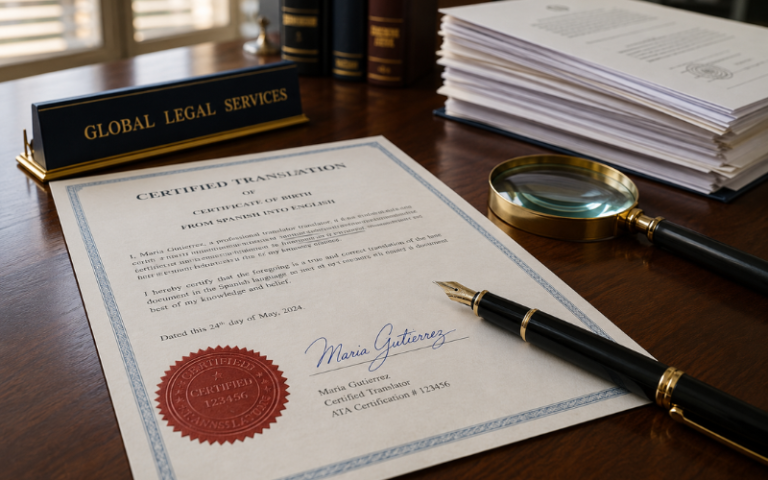
Family immigration depends on proving the relationship between the petitioner and beneficiary. Simply stating that someone is your spouse, parent, or child isn’t enough. The appropriate supporting documents usually need to be submitted with the petition.
Depending on the case, evidence may include:
- Marriage certificates
- Birth certificates
- Adoption records
- Divorce decrees
- Proof of a legal name change
- Other documents establishing the family relationship
Problems can arise when documents contain different names, dates, spellings, or other information. An attorney can review these details before filing and identify areas that may need clarification.
Avoiding Common Mistakes on Immigration Forms
Immigration forms can seem straightforward until you start answering questions about years of addresses, employment, previous marriages, travel, immigration history, and family members.
A small mistake can lead to additional questions or delays. Before submitting an application, an attorney can help review:
- Names and dates
- Previous addresses
- Employment history
- Previous immigration applications
- Travel history
- Marital history
- Supporting documents
- Signatures and required fees
The goal isn’t simply to complete the forms. It is to make sure the information tells a consistent and accurate story about the applicant and their circumstances.
Understanding How Long the Process May Take
One of the hardest parts of family immigration is waiting. Families naturally want to know, “How long until we can finally be together?”
Unfortunately, there is no single timeline for every family immigration case. Processing can depend on the form, category, location, and other factors.
USCIS historical data, for example, shows a median processing time of 12.9 months for family-based I-485 adjustment applications in FY2026 data through June 30, 2026. That figure is a historical median, not a promise that every case will take that long.
You can check the latest information directly through the official USCIS Case Processing Times page rather than relying on outdated timelines posted elsewhere.
A lawyer cannot control USCIS processing times, but they can help you understand what stage your case is in and what to do if an issue arises.
Preparing for Interviews and Requests for Evidence
An immigration interview can make applicants nervous. What will the officer ask? What documents should you bring? What happens if your answers don’t match something in your application?
Preparation can make the experience much less stressful.
A lawyer can help you understand:
- Why an interview may be required
- What documents you should bring
- What information you should know about your application
- How to answer questions clearly and truthfully
- What to do if USCIS requests additional evidence
USCIS’s updated family-based immigration guidance specifically addresses when interviews may be required for family-based immigrant visa petitions.
Dealing With Complicated Immigration History
Not every family immigration case is straightforward. Previous immigration problems can sometimes create additional concerns.
For example, a person may have:
- Previously overstayed a visa
- Had an immigration application denied
- Entered the United States without inspection
- Had previous immigration violations
- Provided incorrect information on an earlier application
- A complicated criminal or immigration history
These situations don’t automatically mean a family immigration case is impossible. However, they deserve careful attention before a new application is filed.
A lawyer can review the history and explain whether additional documentation, waivers, or another immigration strategy may be necessary.
Helping Your Family Avoid Unnecessary Delays
Nobody wants to spend months waiting for an application only to discover that something important was missing.
Careful preparation can help reduce avoidable problems. A lawyer may review the application package for:
- Missing evidence
- Incorrect forms
- Inconsistent information
- Outdated documents
- Incorrect filing procedures
- Issues that could trigger additional questions
This is particularly useful when a case involves several forms or family members.
USCIS has specifically noted that inaccurate information on Form I-130 can cause delays in routing an approved petition for consular processing or adjustment of status.
When Should You Talk to a Family Immigration Lawyer?
You don’t necessarily have to wait until something goes wrong before getting legal guidance.
It may be useful to speak with an immigration lawyer when:
- You are planning to sponsor a relative
- Your spouse is outside the United States
- You want to apply for a family-based green card
- Your previous immigration application was denied
- You have questions about adjustment of status
- Your family member needs consular processing
- You received a Request for Evidence
- You have a complicated immigration history
- You are unsure which immigration benefit applies to your situation
Getting advice early can help you understand the process before you spend time and money on an application that may not fit your circumstances.
Bringing Families Together Starts With the Right Guidance
Family immigration can feel overwhelming because there is so much at stake. You’re not simply completing paperwork. You’re working toward being able to live with the people who matter most to you.
A family immigration lawyer can help make the process easier to understand by explaining your options, reviewing documents, preparing applications, and helping you respond when USCIS asks for additional information.
The process can still take time, and no lawyer can guarantee approval. But having knowledgeable legal guidance can help your family approach the process with better preparation and fewer avoidable surprises.
If you’re considering a family-based petition or green card, getting professional advice early can help you understand what comes next and what your family needs to prepare.