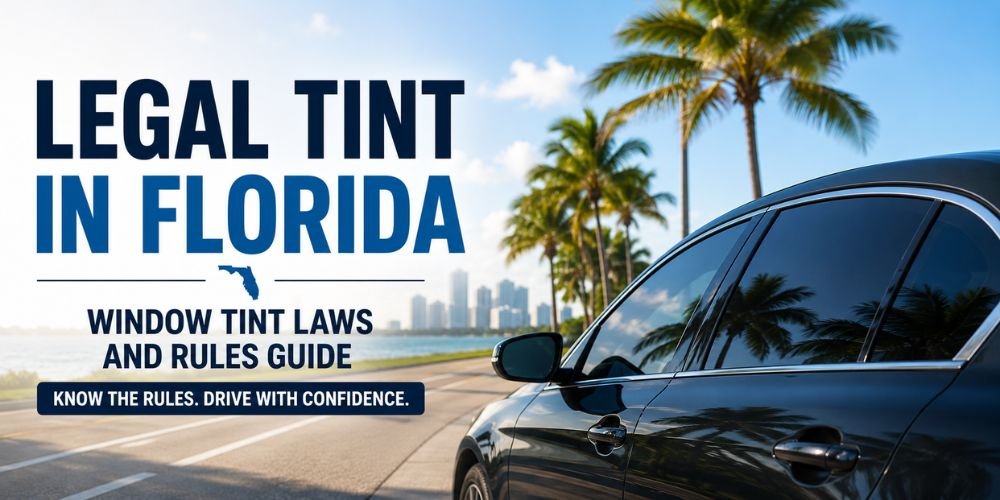
What Is the Legal Tint Limit in Florida? A Simple Guide for Drivers
Window tint is one of the most popular car modifications in Florida. Because the state experiences strong sunlight and hot weather for most of the year, many drivers install window tint to reduce heat, improve comfort, and protect the interior of their vehicles. However, before adding tint to your car windows, it is important to understand the rules about legal tint in Florida.
Florida has specific laws that explain how dark or reflective your car windows can be. If your tint does not follow these rules, you may receive a ticket, be asked to remove the tint, or face additional penalties. Many drivers are confused about the legal window tint percentage in Florida and wonder how dark they can legally tint their windows.
This beginner-friendly guide explains Florida window tint laws in simple language. You will learn about tint percentages, windshield rules, medical exemptions, penalties, and tips for staying compliant with state regulations.
Understanding Window Tint Percentage
Before learning about Florida tint darkness limits, it helps to understand how tint percentages work.
Window tint darkness is measured by something called Visible Light Transmission (VLT). VLT refers to the amount of visible light that can pass through the window.
For example:
- A window with 70% VLT allows 70% of light inside
- A window with 35% VLT allows only 35% of light inside
- Lower percentages mean darker tint
So, the smaller the number, the darker the tint becomes.
Many people mistakenly think a higher percentage means darker tint, but it is actually the opposite.
Florida Window Tint Laws Explained
Florida law sets different tint limits for different types of vehicles and windows. These regulations are officially outlined in Florida Statute 316.2954, which explains how dark or reflective your car windows can be.
Legal Tint for Sedans in Florida
For standard passenger cars and sedans, Florida law generally allows:
Front Side Windows
- Must allow more than 28% of light inside
Back Side Windows
- Must allow more than 15% of light inside
Rear Window
- Must allow more than 15% of light inside
This means the front windows cannot be extremely dark, while the rear windows can legally have darker tint.
Legal Tint for SUVs and Vans
SUVs and vans have slightly different rules.
Front Side Windows
- Must allow more than 28% of light
Back Side Windows
- Can be darker, allowing more than 6% of light
Rear Window
- Can also allow more than 6% of light
Because SUVs are often used for family travel and privacy, Florida allows darker tint on rear windows for these vehicles.
How Dark Can Window Tint Be in Florida?
One of the most common questions drivers ask is: “How dark can window tint be in Florida?”
The answer depends on:
- The type of vehicle
- The window location
- The percentage of visible light passing through
For example:
- A sedan’s front windows cannot go below 28% VLT
- SUV rear windows can be much darker
Drivers should remember that factory-tinted windows already reduce some light. If aftermarket tint is added on top of factory tint, the combined darkness may become illegal.
Because of this, professional installation is usually safer than trying to tint windows yourself.
Windshield Tint Rules in Florida
Florida also has rules for windshield tint.
In most cases:
- Non-reflective tint is allowed only above the AS-1 line
- The AS-1 line is usually marked near the top of the windshield
This small strip helps reduce sunlight glare while keeping the driver’s view clear.
Dark tint across the entire windshield is generally not allowed because it can reduce visibility, especially at night or during bad weather.
Reflective Tint Rules
Some window films are reflective and create a mirror-like appearance. These films can reduce heat and sunlight, but they are also regulated under Florida law.
Florida limits how reflective window tint can be because overly reflective windows may:
- Distract other drivers
- Increase glare on the road
- Reduce visibility for law enforcement
Drivers should always check whether their tint film meets Florida standards before installation.
Why Florida Has Window Tint Laws
Many people wonder why states regulate window tint at all.
Florida window tint laws exist for several important reasons.
Safety
Very dark windows can make it difficult for drivers to see clearly at night or during storms. Reduced visibility increases the risk of accidents.
Law Enforcement Visibility
Police officers often need to see inside vehicles during traffic stops for safety reasons.
Road Safety for Everyone
Extremely reflective tint may create glare that affects other drivers on the road.
The goal of tint regulations is to balance comfort, privacy, and safety.
Benefits of Legal Window Tint
Even with restrictions, legal tint in Florida still provides many advantages.
Heat Reduction
Florida’s climate can make parked cars extremely hot. Window tint helps reduce interior heat and keeps vehicles more comfortable.
UV Protection
Quality tint films block harmful UV rays that can damage skin and fade vehicle interiors.
Better Privacy
Tint makes it harder for outsiders to see inside your car.
Reduced Glare
Tint can improve driving comfort by reducing glare from sunlight and headlights.
Interior Protection
Sun exposure can crack dashboards and fade upholstery over time. Tint helps protect these surfaces.
Common Mistakes Drivers Make
Many drivers accidentally violate car window tint rules in Florida because they misunderstand the law.
Here are some common mistakes.
Choosing Tint That Is Too Dark
Some people install extremely dark tint for appearance without checking Florida regulations.
Using DIY Tint Kits
Homemade tint installation may lead to bubbles, uneven coverage, or illegal darkness levels.
Forgetting About Factory Tint
Factory glass may already contain slight tinting, making additional film darker than expected.
Ignoring Windshield Rules
Tinting the entire windshield is one of the most common violations.
Buying Tint Online Without Research
Not all tint products sold online are legal in every state.
Penalties for Illegal Window Tint in Florida
Driving with illegal tint can lead to consequences.
Possible penalties include:
- Traffic citations
- Fines
- Orders to remove illegal tint
- Additional inspection requirements
The exact penalty may vary depending on the situation and local enforcement practices.
While tint violations are often considered non-moving violations, repeated offenses can become more serious.
Medical Exemptions for Window Tint in Florida
Florida does allow certain medical exemptions for darker window tint.
Some medical conditions increase sensitivity to sunlight and may qualify drivers for special permission.
Examples may include:
- Lupus
- Photosensitivity disorders
- Certain skin conditions
Drivers usually need:
- A doctor’s certification
- Official approval from the state
Even with exemptions, there may still be restrictions on how dark the tint can be.
Tips for Staying Legal With Window Tint
If you are planning to tint your vehicle, these tips can help you avoid problems.
Work With Professional Installers
Experienced tint shops usually understand Florida tint laws and can recommend legal options.
Ask for VLT information.
Always request the official VLT percentage before installation.
Keep Documentation
Some tint shops provide certificates showing the tint percentage used on your car.
Avoid Extremely Dark Tint
Even if darker tint looks attractive, it may create legal and safety problems.
Check Tint Regularly
Over time, damaged or layered tint may change appearance and visibility.
How Police Check Window Tint
Law enforcement officers may use tint meters during traffic stops.
A tint meter measures how much visible light passes through the window. If the percentage falls below Florida’s legal limit, the tint may be considered illegal.
This is why guessing the tint percentage based on appearance alone is risky.
Can You Remove Illegal Tint?
Yes, illegal tint can usually be removed.
Professional tint removal is often recommended because improper removal may:
- Damage window glass
- Leave sticky residue
- Harm rear window defrosters
Some drivers remove illegal tint after receiving a citation to avoid future penalties.
Choosing the Right Tint for Florida Weather
Florida’s hot climate makes tint selection especially important.
When choosing tint, drivers should balance:
- Heat reduction
- Visibility
- Appearance
- Legal compliance
Ceramic tint is often popular because it blocks heat effectively without requiring extremely dark shades.
Carbon and dyed films are also common options.
Does Legal Tint Affect Insurance?
In most cases, legal window tint does not create insurance problems.
However, illegal modifications may complicate claims if they contribute to visibility issues during accidents.
Keeping your vehicle compliant with Florida laws is generally the safest approach.
Frequently Asked Questions
What is the legal tint limit in Florida for front windows?
Florida law generally requires front side windows to allow more than 28% of visible light through.
Can I tint my entire windshield in Florida?
No. In most cases, only a non-reflective strip above the AS-1 line is allowed.
Are darker rear windows legal in Florida?
Yes. Rear window tint rules are more flexible, especially for SUVs and vans.
Can police stop you for illegal tint?
Yes. Officers may stop vehicles if they believe the tint violates Florida law.
Is ceramic tint legal in Florida?
Yes, ceramic tint is legal as long as the darkness level follows state regulations.
Does factory tint count toward legal limits?
Yes. Factory tint affects total VLT percentage, so adding aftermarket film may make windows too dark.
Can I get a medical exemption for darker tint?
Yes. Florida allows medical exemptions for certain health conditions with proper documentation.
Conclusion
Understanding legal tint in Florida is important for every driver who wants to improve comfort, reduce heat, and stay compliant with the law. Florida window tint laws are designed to balance privacy and safety while helping drivers maintain clear visibility on the road.
Before installing tint, it is important to learn the legal window tint percentage in Florida and understand how tint darkness limits apply to your specific vehicle. Choosing professional installation, checking VLT percentages, and following state regulations can help you avoid tickets and unnecessary problems.
Legal window tint can still provide many benefits, including UV protection, reduced glare, and improved comfort during Florida’s hot weather. By understanding the rules and making informed choices, drivers can enjoy these benefits while staying safe and compliant on the road.