Drunk Driving Accident Attorney: Understanding Your Legal Options
Introduction
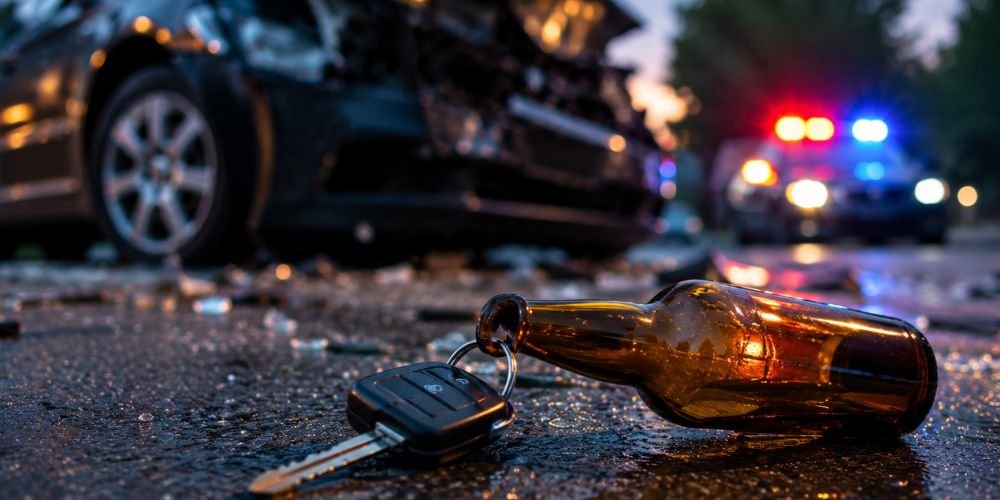
A drunk driving accident can change a person’s life in an instant. Someone may be driving home from work, taking children to school, or traveling with friends when another driver makes the dangerous decision to drive under the influence of alcohol. These accidents often lead to painful injuries, emotional trauma, vehicle damage, medical expenses, and financial stress.
For many victims, the days after an accident feel overwhelming. Hospital bills may start arriving quickly, insurance companies may ask for statements, and injuries may prevent someone from returning to work. In serious situations, victims are often unsure about their legal rights or whether they can recover compensation for their losses.
This is where a drunk driving accident attorney may help. These legal professionals assist accident victims by explaining their options, gathering evidence, handling insurance negotiations, and pursuing compensation when another driver’s reckless behavior causes harm.
This guide explains how drunk driving accident cases work, what victims should expect, the types of compensation available, and important steps people can take after a crash. The information is written in simple, beginner-friendly language to make the legal process easier to understand.
What Is a Drunk Driving Accident Attorney?
A drunk driving accident attorney is a legal professional who helps victims injured in crashes caused by intoxicated drivers. These attorneys usually handle personal injury cases involving alcohol-related or DUI-related accidents.
Their role is to protect the victim’s legal rights and help them recover financial compensation for losses connected to the accident.
A drunk driving accident attorney may help with:
- Investigating the accident
- Collecting police reports and medical records
- Reviewing evidence related to intoxication
- Speaking with insurance companies
- Negotiating settlements
- Representing clients in court if needed
For example, imagine a drunk driver runs a red light late at night and crashes into another vehicle. The injured victim may suffer broken bones, require surgery, and miss several months of work. An attorney can gather witness statements, surveillance footage, and accident reports to build a stronger injury claim.
Why Drunk Driving Accidents Are Often More Serious
Not all car accidents are viewed the same way under the law. Drunk driving accidents are often treated more seriously because the driver knowingly made a reckless decision before getting behind the wheel.
Alcohol affects:
- Reaction time
- Judgment
- Coordination
- Concentration
- Decision-making ability
Because of this impairment, drunk driving accidents frequently involve high speeds, delayed braking, wrong-way driving, or failure to obey traffic signals.
In many cases, evidence may include:
- Breathalyzer test results
- Blood alcohol concentration (BAC) reports
- Police officer observations
- Traffic camera footage
- Witness statements
- Bar or restaurant receipts
In the United States, a BAC of 0.08% is commonly considered legally impaired for adult drivers. However, even lower alcohol levels can still affect driving ability and increase accident risks.
Readers can also learn more about DUI laws and drunk driving statistics through guide on drunk driving in the United States.
Some states may also allow victims to seek punitive damages in drunk driving cases. These damages are intended to punish especially reckless behavior and discourage similar actions in the future.
Common Injuries in Drunk Driving Accidents
Drunk driving crashes often cause severe injuries because impaired drivers may fail to slow down or avoid collisions in time.
Physical Injuries
Common injuries include:
- Broken bones
- Head and brain injuries
- Neck injuries
- Whiplash
- Back and spinal cord injuries
- Burns
- Internal bleeding
- Facial injuries
For example, a victim with a spinal cord injury may require multiple surgeries, physical therapy, and long-term rehabilitation treatment.
Some injuries may heal within weeks, while others can permanently affect mobility, work ability, and quality of life.
Emotional and Psychological Effects
The emotional impact of a drunk driving accident can also be serious. Many victims experience mental and emotional challenges long after physical injuries begin healing.
These may include:
- Anxiety
- Depression
- Sleep problems
- Fear of driving
- Panic attacks
- Post-traumatic stress disorder (PTSD)
For instance, someone involved in a serious nighttime collision may become afraid to drive or travel in vehicles for months afterward.
Emotional suffering is often considered during personal injury claims because mental health effects can significantly affect daily life.
What To Do After a Drunk Driving Accident
The moments after an accident are stressful and confusing. However, taking the right steps can help protect both health and legal rights.
1. Call Emergency Services
Always contact police and emergency medical services after a serious accident. A police report may become important evidence later during insurance claims or legal proceedings.
2. Seek Medical Attention Immediately
Even if injuries seem minor at first, medical care is important. Some injuries, including internal bleeding or soft tissue injuries, may not appear immediately.
Medical records also help connect injuries directly to the accident.
3. Collect Evidence at the Scene
If possible, gather useful evidence such as:
- Photos of vehicle damage
- Pictures of road conditions
- Witness contact information
- Insurance details
- Traffic signal photos
- Video recordings if available
This information can strengthen a drunk driver injury claim later.
4. Avoid Admitting Fault
After an accident, people sometimes apologize automatically out of politeness. However, statements made at the scene may later be misunderstood or used against them.
It is usually best to stick to factual information when speaking with police or insurance companies.
5. Speak With a Drunk Driving Accident Attorney
An attorney can explain legal rights, review evidence, and help victims understand whether they may qualify for compensation.
Early legal guidance may also help preserve important evidence before it disappears.
How Attorneys Build a Strong Drunk Driving Accident Case
Building a successful personal injury case requires strong evidence and careful legal preparation.
Investigating the Accident
Attorneys often review:
- Police reports
- Medical records
- Witness interviews
- Toxicology reports
- Surveillance footage
- Vehicle damage reports
In more serious accidents, accident reconstruction experts may also analyze how the crash occurred.
Proving Negligence
To recover compensation, attorneys usually need to prove the intoxicated driver acted negligently.
This generally involves proving:
- The driver had a duty to drive safely
- The driver was impaired or reckless
- Their actions caused the accident
- The victim suffered injuries or financial losses
For example, if an intoxicated driver crosses into another lane and causes a head-on collision, this may strongly support a negligence claim.
Understanding Compensation in Drunk Driving Accident Cases
Victims may be entitled to several forms of compensation depending on the seriousness of the accident.
Medical Expenses
Compensation may cover:
- Emergency room visits
- Hospital stays
- Surgeries
- Physical therapy
- Prescription medications
- Future medical treatment
In severe cases, long-term rehabilitation costs may also be included.
Lost Income and Reduced Earning Ability
If injuries prevent someone from working, victims may recover compensation for:
- Lost wages
- Missed business opportunities
- Reduced future earning ability
- Long-term disability effects
For example, a construction worker with a serious back injury may be unable to return to physically demanding work.
Property Damage
Victims may also recover compensation for:
- Vehicle repair costs
- Vehicle replacement
- Damaged electronics or personal belongings
Pain and Suffering
Pain and suffering compensation addresses the physical pain and emotional distress caused by the accident.
This may include:
- Chronic pain
- Emotional trauma
- Reduced quality of life
- Anxiety or depression
Punitive Damages
Some courts award punitive damages in extreme drunk driving cases involving highly reckless behavior.
These damages are not only meant to compensate victims but also discourage dangerous conduct in the future.
Insurance Companies and Drunk Driving Claims
Many people assume insurance companies automatically offer fair settlements after drunk driving accidents. Unfortunately, this is not always the case.
Insurance adjusters may try to:
- Reduce payouts
- Question injury severity
- Delay the claims process
- Push victims into quick settlements
For example, an insurance company may offer a settlement before the victim fully understands future medical expenses or long-term treatment needs.
A drunk driving accident attorney can help negotiate for fair compensation and review whether a settlement properly covers damages.
How Long Do Victims Have To File a Claim?
Every state has a legal deadline called the statute of limitations. This law determines how long accident victims have to file a lawsuit.
The deadline varies by state, but missing it may result in losing the right to pursue compensation entirely.
Because legal timelines differ, many victims choose to speak with an attorney soon after an accident.
Criminal Cases vs. Civil Cases
Drunk driving accidents often involve both criminal and civil legal proceedings.
Criminal Case
The government may charge the intoxicated driver with offenses such as:
- Driving under the influence (DUI)
- Driving while intoxicated (DWI)
- Reckless driving
Possible penalties may include:
- Fines
- License suspension
- Probation
- Jail time
The purpose of a criminal case is to punish unlawful behavior.
Civil Case
A civil case focuses on helping victims recover compensation for injuries and financial losses.
Even if criminal charges are reduced or dismissed, victims may still pursue a personal injury lawsuit.
What Happens During a Legal Consultation?
Many personal injury attorneys offer free initial consultations.
During the meeting, the attorney may ask about:
- Accident details
- Medical treatment
- Insurance communication
- Lost income
- Available evidence
Victims can also ask questions about:
- Legal fees
- Case timelines
- Settlement possibilities
- Court procedures
These consultations help people better understand whether they may have a valid claim.
How Legal Fees Usually Work
Many drunk driving accident attorneys work on a contingency fee basis.
This means:
- Clients usually pay nothing upfront
- Attorneys receive payment only if compensation is recovered
The fee is typically a percentage of the settlement or court award.
This arrangement allows many accident victims to seek legal representation without immediate financial pressure.
Challenges in Drunk Driving Accident Cases
Although drunk driving evidence may strengthen a case, legal challenges can still happen.
Disputed Liability
The other driver may deny responsibility or argue that the victim contributed to the accident.
Limited Insurance Coverage
In some cases, insurance policy limits may not fully cover all damages, especially in severe injury accidents.
Delayed Symptoms
Certain injuries, including neck injuries and traumatic brain injuries, may not appear immediately after the crash.
This is one reason medical evaluation is important even when symptoms seem minor initially.
Tips for Protecting Your Rights After an Accident
Victims can take several steps to strengthen their case and protect their legal rights.
Helpful tips include:
- Keep copies of all medical records
- Save receipts related to treatment
- Avoid discussing the case on social media
- Follow medical instructions carefully
- Document pain levels and recovery progress
- Maintain records of missed workdays
Staying organized may help support a stronger injury claim later.
When Families Lose a Loved One in a Drunk Driving Accident
Sadly, some drunk driving accidents result in fatalities.
When this happens, surviving family members may pursue a wrongful death claim.
Compensation may help cover:
- Funeral expenses
- Medical costs before death
- Lost household income
- Emotional suffering
- Loss of companionship
While legal action cannot replace a loved one, it may provide financial support during an extremely difficult time.
The Importance of Responsible Driving
Most drunk driving accidents are preventable. Responsible choices can protect drivers, passengers, and entire communities.
Safer alternatives include:
- Using rideshare services
- Calling a sober friend
- Using public transportation
- Staying overnight when necessary
Public awareness campaigns and law enforcement efforts continue encouraging safer driving habits and reducing impaired driving accidents.
Conclusion
A drunk driving accident can leave victims facing serious injuries, emotional stress, financial hardship, and uncertainty about the future. Understanding legal rights is often an important first step toward recovery.
A drunk driving accident attorney helps victims navigate complex legal processes, communicate with insurance companies, gather evidence, and pursue compensation for medical bills, lost income, and emotional suffering.
While every case is different, learning about the legal process can help accident victims make informed decisions after a serious crash. Seeking medical care, preserving evidence, and understanding available legal options may significantly improve the recovery process after a drunk driving accident.
FAQs
What does a drunk driving accident attorney do?
A drunk driving accident attorney helps victims pursue compensation after accidents caused by impaired drivers. They investigate crashes, collect evidence, negotiate with insurance companies, and represent clients during settlement discussions or court proceedings.
Can I file a claim if the drunk driver was not convicted?
Yes. A civil personal injury claim is separate from a criminal DUI case. Even if the intoxicated driver is not convicted in criminal court, victims may still seek compensation through a civil lawsuit.
How much compensation can victims receive?
Compensation depends on factors such as medical expenses, lost wages, property damage, pain and suffering, and the severity of injuries.
Do all drunk driving accident cases go to court?
No. Many drunk driving accident claims are resolved through settlements before reaching trial. However, some cases may go to court if settlement negotiations fail.
How soon should I contact an attorney after an accident?
It is usually helpful to contact an attorney as soon as possible. Early legal guidance may help preserve evidence, protect legal rights, and avoid missing important deadlines.
What if injuries appear days later?
Some accident injuries develop slowly and may not appear immediately after the crash. Victims should seek medical care if new symptoms appear days or weeks later.
Can family members file a claim after a fatal drunk driving accident?
Yes. In many states, close family members may file a wrongful death claim to seek compensation for funeral costs, lost financial support, and emotional suffering.