
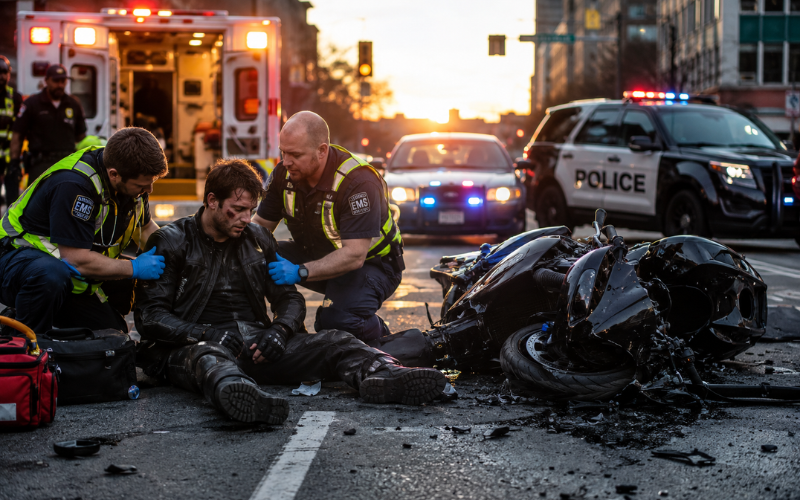
Motorcycle Accident Lawsuit: Average Settlements, Compensation Factors & How to File (2026 Guide)
A motorcycle accident lawsuit can feel overwhelming after a serious crash. Between painful injuries, rising medical bills, lost income, and pressure from insurance companies, many injured riders are unsure where to turn or how much compensation they may actually deserve.
Most motorcycle accident settlements range between $10,000 and $100,000+, while severe injury cases involving traumatic brain injuries, paralysis, or amputations can exceed $500,000 to several million dollars depending on the circumstances.
According to the National Highway Traffic Safety Administration, motorcyclists face a substantially higher risk of fatal and catastrophic injuries compared to passenger vehicle occupants.
Source: NHTSA Traffic Safety Facts
This guide explains:
- The average motorcycle accident settlement
- What determines compensation amounts
- How insurance companies evaluate claims
- Settlement vs. trial outcomes
- Filing deadlines by state
- How attorneys maximize settlements
Free Motorcycle Accident Case Evaluation
Injured in a motorcycle crash? You may be entitled to compensation for medical bills, lost wages, pain and suffering, and future medical care.
Most motorcycle accident attorneys charge no upfront fees unless they recover compensation for you.
Table of Contents
- What Is the Average Motorcycle Accident Settlement?
- Average Motorcycle Accident Settlements by Injury Type
- Key Factors That Determine Your Motorcycle Accident Compensation
- Types of Damages You Can Claim in a Motorcycle Crash Lawsuit
- Motorcycle Accident Settlements vs. Going to Trial
- How Long Does a Motorcycle Accident Lawsuit Take?
- Special Cases: Wrongful Death & Uninsured Motorist Claims
- How Insurance Companies Try to Reduce Motorcycle Accident Settlements
- Motorcycle Accident Statistics in the United States
- Step-by-Step: How to File a Motorcycle Accident Lawsuit
- Statute of Limitations for Motorcycle Accident Lawsuits
- How a Motorcycle Accident Attorney Can Maximize Your Settlement
- Frequently Asked Questions
- Final Thoughts
What Is the Average Motorcycle Accident Settlement?
The average motorcycle accident settlement varies significantly depending on the severity of injuries, fault, insurance policy limits, and long-term medical needs.
Most reported motorcycle accident settlements fall between $10,000 and $100,000+. However, catastrophic injury cases involving spinal cord damage, traumatic brain injuries, or permanent disability may result in settlements or verdicts worth several million dollars.
Settlement Data at a Glance
- Average settlement: ~$73,700
- Median settlement: ~$49,000
- Typical range: $10,000–$100,000
- Severe injury cases: $250,000–$1,000,000+
Key Takeaways
- Most motorcycle accident settlements range from $10,000 to $100,000+
- Severe injury cases may exceed $1 million
- Most motorcycle accident lawsuits settle before trial
- Comparative negligence laws can reduce compensation
- Insurance policy limits often impact payout amounts
- Most motorcycle accident attorneys charge no upfront fees
Most claims settle before trial because both sides often prefer to avoid the cost, uncertainty, and time associated with litigation.
Average Motorcycle Accident Settlements by Injury Type
| Injury Type | Typical Settlement Range | Notes |
| Road rash / soft tissue injuries | $10,000–$50,000 | Depends on scarring and treatment duration |
| Broken bones / fractures | $25,000–$150,000 | Surgery usually increases claim value |
| Knee and shoulder injuries | $30,000–$200,000 | Mobility limitations impact compensation |
| Spinal cord injuries (partial) | $250,000–$1,000,000+ | Often includes future care expenses |
| Spinal cord injuries (full paralysis) | $1,000,000–$5,000,000+ | Lifelong assistance and medical care required |
| Traumatic brain injury (TBI) | $100,000–$3,000,000+ | Cognitive impairment increases damages |
| Limb amputation | $500,000–$5,000,000+ | Prosthetics and lost earning capacity matter |
| Severe burns | $100,000–$1,000,000+ | Permanent scarring often increases damages |
| Wrongful death | $500,000–$10,000,000+ | Depends on income, age, and dependents |
These figures are broad estimates only. Every motorcycle accident lawsuit is unique.
Why Settlement Amounts Vary
Several factors determine the value of motorcycle accident compensation, including:
- Severity of injuries
- Long-term disability
- Future medical treatment
- Lost wages
- Insurance coverage
- Comparative negligence laws
- Strength of evidence
- Quality of legal representation
For example, a rider suffering temporary road rash may recover significantly less than someone facing permanent paralysis or cognitive impairment.
Key Factors That Determine Your Motorcycle Accident Compensation
Fault and Liability
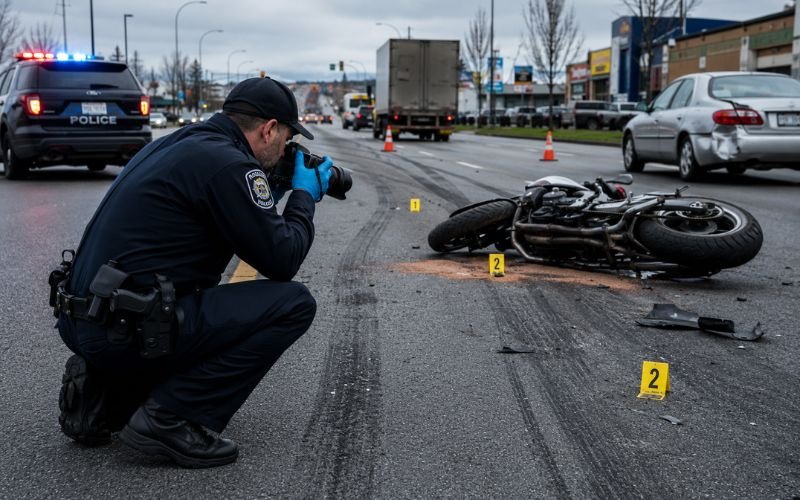
Liability is one of the most important elements in a motorcycle accident lawsuit.
To recover compensation, you generally must prove another party acted negligently. Common causes include:
- Distracted driving
- Unsafe lane changes
- Failure to yield
- Speeding
- Driving under the influence
Evidence used to establish fault may include:
- Police reports
- Surveillance footage
- Witness statements
- Accident reconstruction analysis
- Vehicle damage reports
Insurance companies frequently attempt to shift blame onto motorcyclists to reduce payouts.
Severity of Injuries
The seriousness of your injuries directly impacts motorcycle accident compensation.
Common motorcycle accident injuries include:
- Broken bones
- Road rash
- Shoulder injuries
- Knee damage
- Spinal cord injuries
- Burns
- Traumatic brain injuries
Severe injuries generally produce larger settlements because they involve:
- Longer recovery periods
- Permanent disability
- Extensive medical care
- Reduced earning capacity
- Increased pain and suffering
Medical Expenses and Future Care Costs

Medical costs are often a major component of a motorcycle crash lawsuit.
Compensation may include:
- Ambulance transportation
- Emergency room treatment
- Hospitalization
- Surgery
- Prescription medications
- Physical therapy
- Rehabilitation
- Future surgeries
- In-home nursing care
In catastrophic injury cases, future medical care costs may continue for decades.
Lost Wages and Loss of Earning Capacity
Many injured riders cannot return to work immediately after an accident.
Compensation may include:
- Lost wages
- Missed bonuses
- Reduced future earning potential
- Loss of career opportunities
If injuries permanently prevent someone from returning to their profession, the settlement value may increase substantially.
Pain and Suffering
Pain and suffering damages compensate for physical and emotional harm.
These damages may include:
- Chronic pain
- Emotional distress
- PTSD
- Anxiety
- Depression
- Loss of enjoyment of life
Insurance adjusters often dispute pain and suffering claims aggressively.
Insurance Policy Limits
Insurance coverage frequently affects the actual value of a claim.
Potential sources of compensation may include:
- Liability insurance
- Uninsured motorist coverage
- Underinsured motorist coverage
- Umbrella insurance policies
- Commercial vehicle insurance
Even strong claims may face practical limitations if the at-fault driver carries minimal insurance.
Comparative Negligence Rules in Your State
Many states follow comparative negligence laws.
Under these rules, compensation may be reduced if the injured rider shares responsibility for the accident.
There are two primary systems:
- Pure comparative negligence: You may recover compensation even if mostly at fault.
- Example states: California, New York
- Modified comparative negligence: Recovery may be barred if you are 50% or 51% responsible.
- Example states: Texas, Georgia
Some states, including North Carolina, apply strict contributory negligence rules that can completely prevent recovery if the rider contributed in any way to the crash.
Types of Damages You Can Claim in a Motorcycle Crash Lawsuit
Economic Damages
Economic damages compensate for measurable financial losses.
Examples include:
- Ambulance bills
- ER treatment
- Surgery costs
- Physical therapy
- Prescription medications
- Future medical treatment
- Lost wages
- Loss of earning capacity
- Motorcycle repair costs
- Property damage
Detailed records and documentation are critical when proving economic damages.
Non-Economic Damages
Non-economic damages compensate for personal suffering and quality-of-life losses.
These damages may include:
- Pain and suffering
- Emotional distress
- Mental anguish
- Loss of consortium
- Loss of enjoyment of life
- Permanent disfigurement
Catastrophic injury cases often involve substantial non-economic damages.
Punitive Damages
Punitive damages are rare but may apply when the defendant acted with extreme recklessness.
Examples include:
- Drunk driving
- Hit-and-run accidents
- Excessive reckless driving
- Intentional misconduct
Punitive damages are intended to punish dangerous conduct and deter similar behavior.
Motorcycle Accident Settlements vs. Going to Trial
Pros and Cons of Settling Out of Court
Most motorcycle accident settlements resolve outside court.
Benefits of settlement include:
- Faster compensation
- Lower legal costs
- Reduced stress
- Greater privacy
- More predictable outcomes
However, settlements may sometimes be lower than potential jury verdicts.
What Happens If You Take It to Trial?

If negotiations fail, a motorcycle accident lawsuit may proceed to trial.
During trial:
- Evidence is presented
- Witnesses testify
- Medical experts explain injuries
- Attorneys argue liability and damages
- A judge or jury decides the outcome
Trial verdicts may exceed settlement offers substantially, particularly in catastrophic injury cases. However, trials also involve greater risk and uncertainty.
The Role of Jury Bias in Motorcycle Cases
Motorcyclists sometimes face unfair assumptions from jurors and insurance companies.
Common stereotypes include:
- Riders are reckless
- Motorcyclists speed excessively
- Riders knowingly accept greater risks
Experienced attorneys work to overcome these biases through evidence, expert testimony, and effective case presentation.
How Long Does a Motorcycle Accident Lawsuit Take?
The timeline depends on injury severity, liability disputes, and whether the case settles or proceeds to trial.
Timeline: Settlement vs. Trial
| Case Type | Typical Timeline |
| Minor injuries with clear liability | 3–6 months |
| Significant injuries with disputed fault | 6–18 months |
| Severe injury or multi-party cases | 1–3 years |
| Cases proceeding to trial | 2–4 years |
Settling too early may be risky because future medical complications may not yet be fully understood.
Special Cases: Wrongful Death & Uninsured Motorist Claims
Wrongful Death Motorcycle Accident Lawsuits
If a rider dies due to accident-related injuries, surviving family members may pursue a wrongful death claim.
Eligible parties may include:
- Spouses
- Children
- Parents
- Estate representatives
Potential damages include:
- Funeral expenses
- Medical bills
- Loss of financial support
- Loss of companionship
- Emotional suffering
Wrongful death claims are often among the highest-value motorcycle accident cases.
What If the At-Fault Driver Has No Insurance?
Uninsured and underinsured drivers create major challenges for accident victims.
Your own UM/UIM coverage may help cover:
- Medical expenses
- Lost wages
- Pain and suffering
Without insurance coverage, recovering compensation directly from the at-fault driver may be difficult if they lack significant assets.
How Insurance Companies Try to Reduce Motorcycle Accident Settlements

Insurance adjusters often use aggressive tactics to minimize payouts.
Common strategies include:
- Offering quick lowball settlements
- Delaying claims intentionally
- Requesting recorded statements
- Arguing comparative negligence
- Disputing injury severity
- Monitoring social media accounts
Before accepting a settlement offer, many injured riders benefit from consulting an attorney.
Motorcycle Accident Statistics in the United States
According to the National Highway Traffic Safety Administration:
- Thousands of motorcyclists are killed annually in U.S. crashes
- Riders face substantially higher fatality risks than passenger vehicle occupants
- Intersections remain one of the most common crash locations
- Head injuries are among the leading causes of fatal motorcycle accident injuries
Helmet use significantly reduces the risk of traumatic brain injuries and fatalities.
Source: NHTSA Motorcycle Safety Data
Step-by-Step: How to File a Motorcycle Accident Lawsuit
- Seek immediate medical attention
- Keep all medical records and follow treatment recommendations.
- Report the accident to police
- Obtain a copy of the official crash report.
- Document the scene
- Take photographs and gather witness information.
- Notify your insurance company
- Avoid detailed recorded statements without legal guidance.
- Consult a motorcycle accident attorney
- Most lawyers work on contingency with no upfront costs.
- Attorney investigates your claim
- Evidence collection may include expert analysis and medical records.
- Demand letter sent to insurer
- Your attorney formally requests compensation.
- Negotiation phase
- Insurance adjusters evaluate the claim.
- File a lawsuit if negotiations fail
- The case enters litigation.
- Discovery and depositions
- Both sides exchange evidence and testimony.
- Mediation or settlement conference
- Courts often encourage settlement before trial.
- Trial
- A judge or jury decides liability and damages.
- Collect compensation
- Settlement or judgment funds are distributed.
Statute of Limitations for Motorcycle Accident Lawsuits
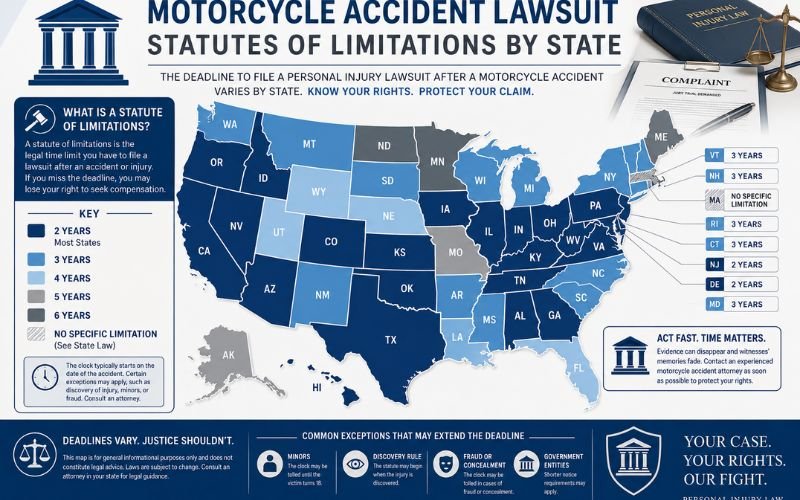
Missing the filing deadline may permanently prevent recovery.
| State | Deadline to File | Notes |
| California | 2 years | Government claims may differ |
| Texas | 2 years | Modified comparative negligence |
| Florida | 2 years | Updated negligence statute applies |
| New York | 3 years | Municipal claims differ |
| Pennsylvania | 2 years | Discovery exceptions limited |
| Illinois | 2 years | Wrongful death rules may vary |
| Ohio | 2 years | Comparative negligence applies |
| Georgia | 2 years | Tolling exceptions possible |
| North Carolina | 3 years | Strict contributory negligence rules |
| Arizona | 2 years | Public entity claims differ |
| Colorado | 3 years | Motor vehicle exception applies |
| Washington | 3 years | Separate rules for minors |
| Michigan | 3 years | No-fault rules may apply |
| Nevada | 2 years | Discovery exceptions possible |
| New Jersey | 2 years | Public claims have shorter deadlines |
| Oregon | 2 years | Wrongful death claims differ |
| Virginia | 2 years | Contributory negligence applies |
| Tennessee | 1 year | One of the shortest deadlines |
| Missouri | 5 years | Longer limitations period |
| Indiana | 2 years | Government claims differ |
How a Motorcycle Accident Attorney Can Maximize Your Settlement

An experienced attorney can significantly improve the outcome of a motorcycle accident lawsuit.
Attorneys help by:
- Investigating liability thoroughly
- Preserving critical evidence
- Calculating future damages accurately
- Negotiating aggressively with insurers
- Countering comparative negligence arguments
- Working with medical experts
- Taking cases to trial when necessary
Most motorcycle accident attorneys work on a contingency fee basis, meaning:
- No upfront legal fees
- Payment only if compensation is recovered
Related resources:
- Motorcycle accident causes
- Pain and suffering damages
- Comparative negligence laws
- Wrongful death claims
- Personal injury settlement calculations
Frequently Asked Questions
What is the average payout for a motorcycle accident?
The average motorcycle accident settlement is often reported around $73,700, though actual payouts range from $10,000 to several million dollars depending on injuries and liability.
How long do motorcycle accident settlements take?
Minor claims may settle within several months, while severe injury lawsuits can take years if litigation becomes necessary.
Do I need a lawyer for a motorcycle accident lawsuit?
Although not legally required, attorneys often help maximize compensation and handle complex negotiations and litigation.
What if I was partially at fault for the motorcycle accident?
Many states reduce compensation based on comparative negligence rules. In some states, recovery may be barred if the rider is mostly at fault.
How much does a motorcycle accident attorney cost?
Most motorcycle accident attorneys work on a contingency fee basis, meaning they only get paid if compensation is recovered.
Can I sue if I wasn’t wearing a helmet?
Yes, in many states you may still recover compensation even if you were not wearing a helmet, although insurers may argue it contributed to your injuries.
What is the statute of limitations for a motorcycle accident lawsuit?
Most states require claims to be filed within one to three years, though deadlines vary significantly by jurisdiction.
How does insurance calculate pain and suffering?
Insurance companies often evaluate pain and suffering based on injury severity, medical treatment, recovery time, and long-term impact on daily life.
Final Thoughts
A serious motorcycle accident can leave victims facing overwhelming physical, emotional, and financial challenges. Understanding how a motorcycle accident lawsuit works is an important first step toward protecting your legal rights and pursuing fair compensation.
While average settlement figures provide helpful guidance, every case depends on unique factors such as injury severity, liability disputes, insurance coverage, and future medical needs.
If you were injured in a motorcycle crash, documenting your injuries, seeking prompt medical treatment, and consulting an experienced attorney may significantly improve the outcome of your claim.
Speak With a Motorcycle Accident Lawyer Today
You may be entitled to compensation for:
- Medical bills
- Lost wages
- Pain and suffering
- Future medical treatment
- Property damage
Most motorcycle accident attorneys offer free consultations and charge no upfront fees.
Disclaimer: This article is for informational purposes only and does not constitute legal advice. Laws vary by state. Consult a licensed motorcycle accident attorney for advice regarding your specific case.