
Final Written Warning at Work: What It Means and Exactly What to Do Next
You just walked out of a meeting with HR, heart racing, holding a document with the words “Final Written Warning” at the top. Your mind is already jumping to the worst conclusion: Am I about to lose my job?
Receiving a final written warning at work can feel overwhelming, especially if the meeting was sudden or the concerns were not fully explained beforehand. Many employees immediately assume termination is inevitable, but that is not always the case. In many workplaces, this stage is intended to serve as a serious opportunity to correct problems before stronger disciplinary action is taken.
Understanding what the warning actually means, what rights you still have, and how to respond professionally can make a major difference in what happens next. This guide explains the process clearly, walks through the practical steps to take immediately, and helps you understand how many employees successfully recover from this situation.
What Is a Final Written Warning?
A final written warning is a formal disciplinary action issued by an employer when a workplace issue has become serious or has continued after earlier warnings. It is usually one of the last steps in a company’s progressive discipline process before termination may occur.
In many organizations, the process looks something like this:
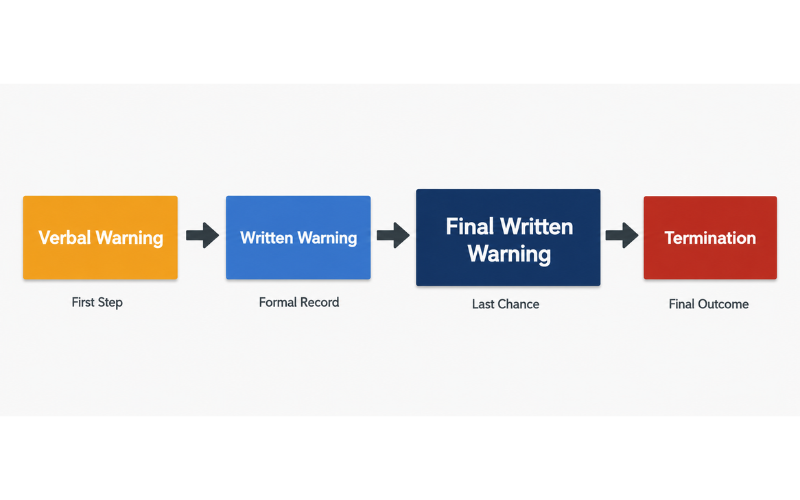
- Verbal warning
- Written warning at work
- Final written warning
- Termination
However, not every company follows every step exactly. Some employers may move directly to a final warning if the issue is considered severe enough.
A final warning is typically documented carefully by HR and placed in the employee’s personnel file. The document often outlines specific concerns about performance, attendance, behavior, policy violations, or workplace conduct.
For example, an employee who repeatedly misses deadlines despite earlier coaching may receive a final written warning explaining that improvement must happen within a specific time frame.
In many cases, the warning is paired with a performance improvement plan (PIP). A PIP usually sets measurable goals the employee must meet during a review period. This gives both the employer and employee a clear roadmap moving forward.
Unlike casual feedback from a manager, this stage is formal and should be taken seriously. At the same time, it is still an opportunity to improve rather than a guaranteed path to termination.
What Should a Final Written Warning Include?
Knowing what a properly written disciplinary notice should contain matters because inaccurate or vague warnings can sometimes be challenged successfully through an appeal. Spotting errors early gives employees the best chance to respond effectively and protect themselves professionally.
A final written warning or written warning letter should clearly explain the specific conduct or performance issue that led to the disciplinary action. Instead of broad statements like “poor attitude” or “lack of professionalism,” the document should describe concrete concerns tied to actual workplace situations. Employees should be able to understand exactly what behavior or performance problem the employer believes occurred.
Most warnings also include dates, documented incidents, or examples supporting the company’s concerns. This creates a formal record and helps explain why the issue reached the final warning stage. For example, the document may reference repeated attendance problems, missed deadlines, customer complaints, or prior coaching discussions.
The warning should also explain what improvement is expected moving forward. In many cases, employers outline measurable goals tied to attendance, productivity, communication, or workplace behavior. A timeline is usually included as well, often ranging from 30 to 90 days depending on company policy and the seriousness of the issue.
Another important section explains the consequences if improvement does not happen. Most employers state clearly that additional problems during the review period may result in termination.
Employees should read the document carefully before signing anything. If statements are vague, factually incorrect, or missing important context, it is important to document those concerns professionally and respond promptly.
Can an Employer Skip Straight to a Final Written Warning?
Yes, in many workplaces an employer can skip earlier disciplinary steps and move directly to a final written warning.
This often surprises employees who expect companies to follow a strict progressive discipline process every time. However, in at-will employment environments, employers generally have broad flexibility in how they handle workplace discipline.
That said, many companies still maintain internal HR policies that outline standard disciplinary procedures. Employers often follow these systems because consistency helps reduce workplace disputes and legal risks.
For example, companies may move directly to a final warning in situations involving harassment complaints, safety violations, serious misconduct, confidentiality breaches, or repeated policy violations where earlier corrective steps are no longer considered appropriate.
Problems can arise when discipline is applied inconsistently. If one employee receives a mild warning for certain behavior while another receives a final warning for the same conduct, questions about fairness may emerge. Uneven enforcement can sometimes support claims involving discrimination, retaliation, or wrongful termination, particularly if protected employees appear to be treated differently.
How Long Does a Final Written Warning Stay on Your Record?
One of the most common questions employees ask after receiving a final written warning is how long it will follow them. In many companies, a final written warning remains active for about 6 to 12 months, during which managers may monitor performance more closely and additional problems can lead to faster disciplinary action.
Even after the active review period ends, the warning often remains in the employee’s personnel file for a much longer time. The difference is that it may no longer carry the same weight in future disciplinary decisions if the employee has shown consistent improvement.
Some employers remove warnings from active consideration once employees demonstrate sustained improvement, while others maintain disciplinary records internally for much longer periods.
Policies vary significantly between companies, so reviewing the employee handbook can help clarify how your organization handles disciplinary records and review periods. Employees who demonstrate consistent improvement during and after the active period often find that the warning has little lasting impact on their day-to-day standing with the company.
Will You Be Fired After a Final Written Warning?
Not necessarily. A final written warning is serious, but many employees successfully recover from it and keep their jobs. Much depends on the reason for the warning, the company culture, and how the employee responds afterward.
For example, an employee in a customer service role who receives a final warning for repeatedly missing response-time targets may be placed on a 60-day performance improvement plan. If response times improve consistently during that review period, many employers will close the disciplinary process without further action.
On the other hand, if performance problems continue or communication breaks down during the review window, termination becomes far more likely. Employers usually look for steady improvement, accountability, professionalism, and a willingness to address concerns seriously.
Large organizations with structured HR systems are often more likely to provide a genuine opportunity for improvement because formal documentation and review periods are already built into their disciplinary process. Employees who actively engage with the process instead of avoiding it generally have a stronger chance of recovering successfully.
Your Rights When You Receive a Final Written Warning
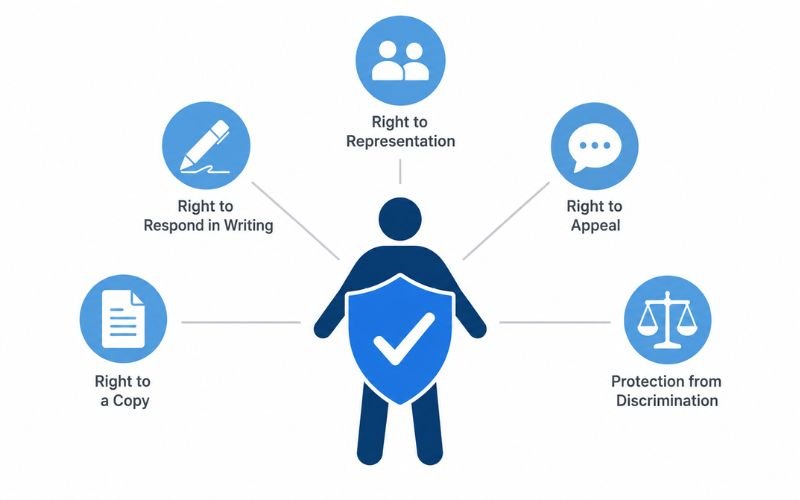
Employees still have important rights during the disciplinary process, even when the situation feels intimidating or stressful. Understanding those rights can help you respond professionally and protect yourself if concerns escalate later.
You generally have the right to request a copy of the final written warning if one was not provided during the disciplinary meeting. Keeping your own records is important because details discussed verbally during meetings are often forgotten, misunderstood, or interpreted differently later.
Many employers also allow employees to submit a written response explaining disagreements, missing context, or factual inaccuracies. In some workplaces, employees can request that this response be placed in their personnel file alongside the warning itself. A calm, professional response usually carries far more weight than reacting emotionally during the meeting.
For instance, if a warning states that you missed three client deadlines but your records show one of those projects was delayed because a manager approved materials late, that discrepancy is worth documenting and raising professionally. Even small factual inaccuracies can become important later if the disciplinary process escalates.
If you belong to a union, you may also have the right to bring a union representative into disciplinary discussions. Some non-union employers may allow a witness or HR representative to attend as well, particularly during formal disciplinary meetings involving serious workplace concerns.
Employees may also have internal appeal rights through HR channels. These processes vary between companies, but they often allow workers to challenge inaccurate documentation, inconsistent enforcement of policies, or procedural concerns.
Most importantly, employers cannot legally discipline employees in a discriminatory or retaliatory manner. Concerns may arise if a final written warning appears shortly after an employee reported harassment, filed a workplace complaint, requested medical leave, or participated in an internal investigation. In some cases, employees who were disciplined unfairly as a precursor to firing may have grounds to explore wrongful termination claims.
What To Do Immediately After Receiving a Final Written Warning
1. Stay Calm and Professional
Receiving a final written warning can trigger panic, frustration, or anger, especially if the meeting feels unexpected or unfair. However, reacting emotionally in the moment rarely improves the situation. During the disciplinary meeting, focus on listening carefully, taking notes, and maintaining a professional tone even if you strongly disagree with parts of the discussion.
2. Read the Warning Carefully
Before signing or responding to anything, review the entire document closely. Pay attention to the dates, examples, policy references, and expectations listed in the warning. Employees sometimes discover vague statements, missing context, or factual inaccuracies that become important later during appeals or follow-up discussions.
3. Request a Copy
If you were not given a copy immediately, ask for one. You should never rely solely on memory when responding to formal disciplinary action.
4. Review the Employee Handbook
Check your company’s policies regarding discipline, appeals, investigations, and performance improvement plans.
This may help you understand whether procedures were followed properly.
5. Prepare a Professional Written Response
If parts of the warning are inaccurate, respond professionally and factually.
Avoid emotional language or personal attacks. Focus on evidence, timelines, and documentation.
6. Meet With HR or Your Manager
Schedule a follow-up conversation with your manager or HR representative to clarify expectations directly. Ask specific questions about what improvements are expected, what timeline applies, how progress will be measured, and what support or resources the company can provide during the review period. Clear communication early on can reduce misunderstandings later.
7. Understand How Success Will Be Measured
Many employees struggle during a performance improvement plan because expectations remain vague. Try to identify measurable goals wherever possible, whether that involves attendance, project deadlines, productivity targets, customer response times, or communication standards. The more clearly success is defined, the easier it becomes to track your progress.
8. Document Everything Going Forward
Keep organized records of your work, emails, completed assignments, feedback discussions, and disciplinary meetings moving forward. If questions arise later about your performance or improvement efforts, detailed documentation can help establish a clearer timeline of events and demonstrate the steps you took to address concerns.
9. Focus on Improvement Immediately
Do not wait until the review period is almost over before making visible changes. Employers and managers often pay the closest attention in the days and weeks immediately following a disciplinary meeting, so early and consistent effort tends to leave a stronger impression than a last-minute push near the deadline.
10. Seek Guidance if You Suspect Discrimination or Retaliation
If the warning appears connected to protected activity or unequal treatment, it is important to document events carefully and preserve relevant emails, messages, timelines, or meeting notes. While not every unfair workplace experience rises to the level of illegal conduct, patterns involving retaliation or discriminatory discipline should be taken seriously and reviewed carefully.
Can You Appeal a Final Written Warning?
Yes, many companies allow employees to appeal disciplinary decisions internally through HR processes or management review procedures.
Appeals are generally most effective when they focus on facts rather than emotions. Strong appeals typically involve factual errors in the documentation, missing evidence that changes the situation, inconsistent enforcement of company policies, or procedural steps that may have been skipped entirely.
For example, an employee may challenge a warning if performance concerns were documented inaccurately or if other employees were treated differently for similar conduct. Email records, project timelines, attendance logs, or prior performance reviews can sometimes provide important context.
An effective appeal should remain professional and organized throughout. Instead of framing the response emotionally, focus on timelines, documentation, company policies, and specific inconsistencies that can be supported with evidence. Even if the warning is not removed completely, a professional appeal can still help clarify the record and improve future discussions with HR.
How to Actually Improve and Come Back From a Final Written Warning

Many employees assume a final written warning means their future at the company is already decided. That is not always true. Some workers successfully recover because they approach the situation strategically, remain professional under pressure, and treat the review process seriously from the beginning.
If you were placed on a performance improvement plan, study it carefully and treat it like a roadmap rather than a punishment. In many cases, the document explains exactly what management expects moving forward. Breaking those expectations into smaller weekly goals can make the process feel more manageable and measurable.
It also helps to schedule regular check-ins with your manager instead of waiting silently for the review period to end. Short conversations about progress, priorities, and expectations can prevent misunderstandings from growing larger and show that you are actively engaged in improving performance.
Throughout the process, document your own progress carefully. Keep records of completed projects, positive feedback, improved attendance, productivity gains, or successful client interactions. Employees who maintain organized records are often in a stronger position if questions arise later about whether improvement occurred.
Just as importantly, stay professional in everyday interactions, even if the situation feels frustrating or uncomfortable. Employees who ask for constructive feedback, communicate calmly, and remain cooperative during stressful periods often rebuild trust more effectively than those who become defensive or withdrawn. Employers typically look for consistency over time, not just short-term improvement for a few days or weeks.
Many employees do successfully recover from final written warnings, particularly when they respond with accountability, professionalism, and a clear effort to improve.
Frequently Asked Questions
Does a final written warning always lead to termination?
No. While it is serious, many employees improve successfully and continue working without further disciplinary action.
Can I be fired without a final written warning?
Yes. In many at-will employment situations, employers can terminate employees without following every step of progressive discipline.
How do I respond to an unfair final written warning?
Respond professionally in writing, focus on factual inaccuracies, provide supporting documentation, and follow any available HR appeal process.
Does a final written warning show up on a background check?
Usually no. Most standard employment background checks do not include internal disciplinary records. However, employers may discuss eligibility for rehire depending on company policy.
Can a final written warning be removed from my personnel file?
Sometimes. Some employers remove or deactivate warnings after successful improvement periods, while others permanently retain disciplinary records internally.
What should I say during a final written warning meeting?
Try to stay calm, listen carefully, and avoid arguing emotionally in the moment. Ask clarifying questions about expectations, timelines, and how improvement will be measured. You should also request a copy of the document for your records and give yourself time to review everything carefully before preparing any written response.
Conclusion
While the process can feel stressful, a structured and professional approach can significantly improve the outcome. In many cases, employees who take the warning seriously, communicate well, and improve consistently are able to rebuild trust and continue successfully in their role.
A final written warning is not the final word on your career — how you respond in the days and weeks ahead will define what happens next far more than the document itself.