What Are Legal Financial Obligations? A Complete Informational Guide
Learning about the Legal Financial Obligations is a key factor to ensure that individuals and businesses stay in line with the law and be able to stay financially stable even in the long run. They are formally stipulated financial liabilities, which should be completed successfully and punctually. Unattended to or poorly attended, they may lead to severe legal implications, including fines, litigation, poor credit ratings and financial distress.
There are legal financial responsibilities that are intended to bring about fairness, accountability, and effective operations in the society. These obligations can be enforced by law and must be taken seriously regardless of whether it is done by the government officials, the courts or contractual agreement.
Legal Financial Obligations What Are?
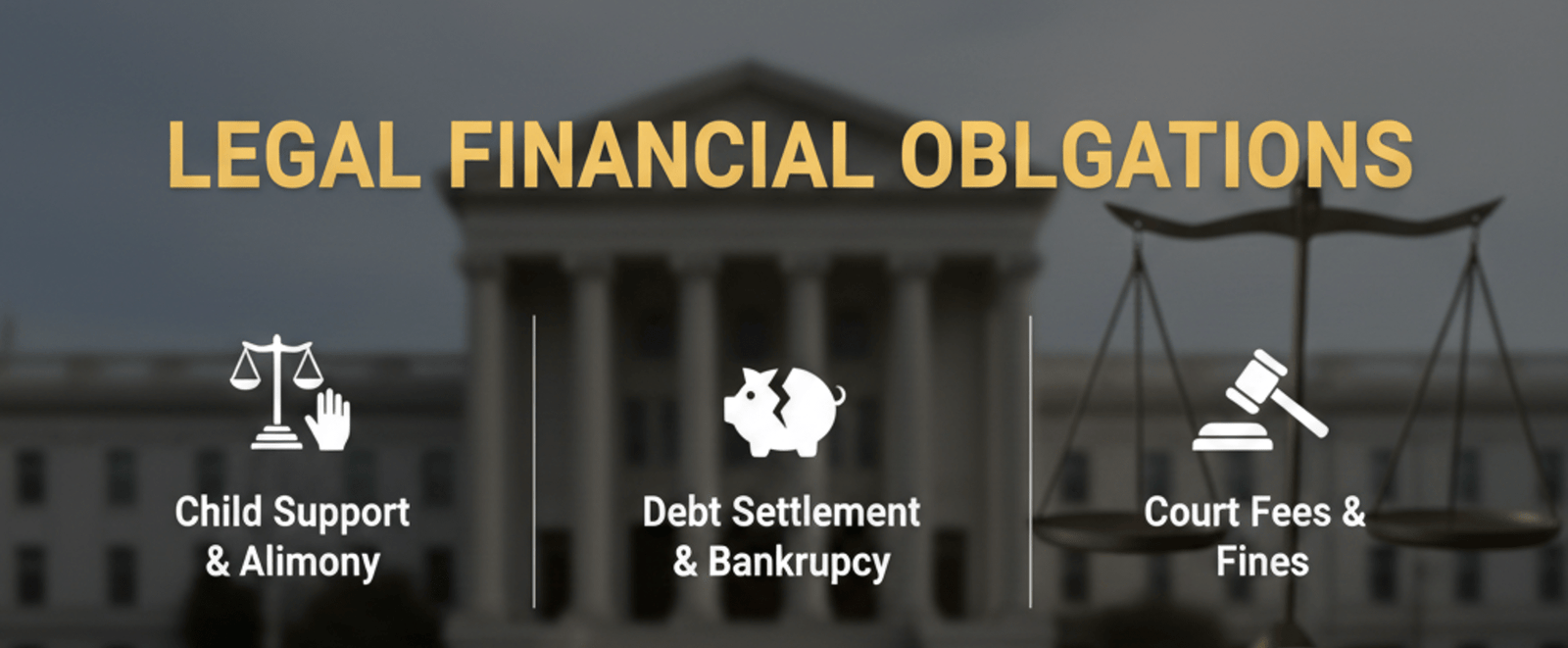
Legal Financial Obligations refer to those financial obligations as mandated by the law, the courts or even by contractual obligations. They are applicable on both individuals, businesses and organizations and they possess a broad scope of financial obligations. Such requirements make sure that the parties fulfill their obligations, including paying taxes, loaning, fulfilling contracts, or carrying out the payments that are ordered by the court.
Legal financial obligations cannot be put in simple terms as optional. After being implemented, they should be discharged based on terms and schedules enshrined by law or contract.
Categories of Legal Financial Obligations.
Taxes and Government Dues
Taxes belong to the number of such legal financial requirements as it is inevitable. Individuals and businesses must pay different types of taxes such as income tax, corporate tax and property tax, sales tax and other statutory tax. Late payment of taxes may lead to fines, interest, audit or even prosecution by the tax authorities.
Child Support and Alimony
Financial obligations such as the child support and alimony payments are legally enforced by the court. These duties are aimed at ensuring a source of finance to dependents or ex-husbands. Failure to make or late payments may result in wage arrest, contempt of court, or other legal fines.
Loan and Credit Repayments
Borrowed money in the form of loans acquired in banks, credit institutions or individual lenders establishes contract legal financial responsibility. The borrowers have a legal obligation to pay back the money that they have borrowed, plus interest according to the terms and agreements. The default of the payment of loans may lead to court cases, confiscation of property, or permanent destruction of credit score.
Fines and Penalties
Another type of legal financial consequences is the fine introduced in the courts or by the regulatory bodies. These can be as a result of traffic offenses, acts that violate regulations or non-conformity to legislation. Penalties or legal complications should be prevented by paying in time.
Contractual Payments
Contracts are associated with financial obligations that are legally binding. Rent, service or employment agreements, or goods that have been bought are payments that come under this category. In case the contractual payments are not met, the offended party can seek legal justice such as claims or suing.
Significance of Legal Financial Requirement.
Legal Financial Obligations: It is essential to meet the legal financial obligations to be legally compliant and financially credible. Inability to meet those duties may lead to litigations, property or fines, or even damage to reputation. In the case of businesses, business non-compliance can also lead to investor confidence, regulatory licenses, and sustainability.
Conversely, the reliability of the financial planning is shown by the consistency of paying the financial obligations stipulated by the law, the reduction of the legal risks.
The Art of Legal Financing Obligations.
Understand Your Duties
Read and study contracts, court orders, and legal documents carefully to be able to comprehend the financial obligations and deadlines to the full.
Maintain Accurate Records
Maintenance of the records of payment, receipts, invoices and official correspondence in order. Documentation may play a vital role during the resolution of disputes or proving compliance.
Consult Professionals
Complex obligations may be interpreted with the help of legal and financial professionals who may make sure that they are followed and strategies may be offered on the effective financial management.
Plan Ahead
Work out a financial plan taking into consideration regular and non-regular financial liabilities in law. Payments in advance through budgeting and scheduling of payments will ensure that deadlines are not missed and there are no penalties.
Penalties of the failure to meet the financial legal obligations.
When an individual ignores the legal financial obligations, the consequences may last long. They might involve lawsuits, more debt as a result of interest or fines, limited access to credit and even court verdicts. In extreme situations, non-adherence to the requirements of the courts can lead to incarceration.
Conclusion
Legal Financial Obligations are an obligation in financial responsibility of both an individual and the business. Taxes and loans to fines and payments mandated by the court, these costs make them accountable and legally abiding. When one comprehends, designs, and handles these obligations efficiently, people and companies would safeguard their economic security, prevent legal issues, and stay financially well in the long-term.
Frequently Asked Question (FAQs).
What will occur in case legal financial requirements are left unmet?
Failure to meet Legal Financial Obligations can lead to legal penalties like fines, penalties, lawsuits, asset seizure, garnishment of wages, lawsuits, credit score harm, or asset seizure. Failure to comply with what is ordered in a court may result in contempt of court or a jail sentence in severe instances.
Do individuals and businesses have the same legal financial obligations?
Although the principle is the same, Legal Financial Obligations may vary in individuals and businesses. People are likely to get taxes, loans, fines and child support, but a business can get corporate taxes, salaries of workers, fines and liabilities as a result of the contract.
Is it possible to renegotiate legal financial obligations?
In some cases, yes. Repayments of loans, payments in contracts or the amount of settlement can be renegotiated. Nevertheless, commitments such as taxes or payments with the mandate of a court tend to be subjected to the approval of the pertinent authority or court.
What about its legal financial obligations?
The best methods of managing Legal Financial Obligations include keeping proper records, sending payment reminders, storing financial records, and seeking the services of professionals. Missed deadline can also be avoided with the help of financial planning tools and professional advice.
Are the legal financial requirements legally binding?
Yes, Legal Financial Obligations are legally binding. This implies that the law can be enforced by courts through legal authority in case duties are not taken care of or broken.
Are legal financial requirements an issue impacts on credit scores?
Yes, unpaid loans, fines or court judgement on Legal Financial Obligations can adversely affect credit ratings and one cannot be able to get future credit or financial approvals.